Belgium ambassador sets sights on sport diplomacy
Namibia’s ambassador to Belgium says he is leveraging European sport networks to secure coaching, technology and infrastructure partnerships for Namibian athletes and federations. “I’ve been working to identify sources of technical cooperation, coaching support, sport science expertise, facility management knowledge, equipment partnerships, exchange programmes, and funding ways,” Alfredo Hengari says. The former presidential press secretary […] The post Belgium ambassador sets sights on sport diplomacy appeared first on The Namibian.
 Black News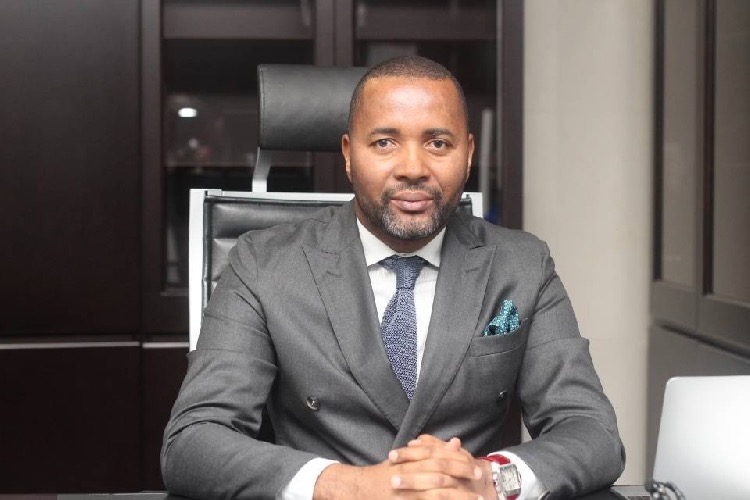
Namibia’s ambassador to Belgium says he is leveraging European sport networks to secure coaching, technology and infrastructure partnerships for Namibian athletes and federations.
“I’ve been working to identify sources of technical cooperation, coaching support, sport science expertise, facility management knowledge, equipment partnerships, exchange programmes, and funding ways,” Alfredo Hengari says.
The former presidential press secretary says he has been in Brussels for the past five months.
“In that time, my priority has been to understand the Belgian, Benelux, and European institutional landscape, thoroughly building the relationships, identifying the entry points, and determining with precision how Namibia’s national priorities can be advanced through the specific diplomatic tools available to the mission,” he says.
Hengari says sport is firmly among president Netumbo Nandi-Ndaitwah’s priorities.
“It is about young people, discipline and excellence.”
The government is investing in youth development through sport, and is seeking partners in the Benelux area to this end, he says.
Hengari says Belgium has a sophisticated tradition of municipal sport development and club-based community infrastructure.
“Belgian municipalities, regional sport agencies, and clubs have decades of experience in designing, funding, and managing facilities that serve broad communities, not elite athletes alone,” he says.
Hengari says Namibia can learn from this model.
‘LEADER IN SPORT TECHNOLOGY’
“Belgium is a European leader in sport technology in artificial turf systems, performance analytics, athlete monitoring, sport science, event management infrastructure, and digital sport administration,” he says.
“The gap between the technology environment available to a Belgian academy athlete and what a talented young Namibian athlete can access is substantial.”
He says targeted Belgian sport technology partnerships could deliver significant developmental impact.
“Sport diplomacy in Belgium does not need to start from zero. It already has a human foundation,” he says.
He says Namibian cricketers Gerhard Erasmus, David Wiese, and Ruben Trumpelmann have been associated with Belgian franchise cricket.
“I had the privilege to watch players in this league in action. These are Namibian athletes who are already operating within Belgian sporting structures.
“They understand the environment. They have relationships. They have credibility. And they represent exactly the kind of human bridge that effective sport diplomacy builds on.”
NAMIBIAN FEDERATIONS
Hengari says Namibian sport federations are dedicated and capable, but do not know which European federations to approach.
“That navigation capacity is precisely what a diplomatic mission exists to provide. My intention is to make this embassy an active, reliable, and proactive gateway, not a passive bureaucratic structure that waits to be asked,” he says.
At the Benelux level, the strategy is to engage Belgium, The Netherlands, and Luxembourg according to their distinct institutional strengths.
Belgium is the strongest partner for football, cycling, hockey, and cricket through its emerging franchise structures, sport technology, and municipal community sport development, he says.
“The Netherlands offers world-class football methods and hockey development. The Dutch hockey programme is among the best on earth.
“Luxembourg, while smaller, has useful networks in European Union governance and development finance that can be relevant to sport infrastructure funding conversations,” Hengari says.
STRUCTURE PROGRAMME
He says he is starting a structured programme of direct engagement with Belgian and Dutch sport institutions.
“Football, cycling, cricket, athletics, hockey, tennis, and basketball are all on my agenda,” he says.
“For football, the Namibia Football Association can explore structured cooperation with the Royal Belgian Football Association and with Belgian clubs on youth academy development, coaching certification, women’s football, and referee development.
“The careers of Ryan Nyambe and Prins Tjiueza demonstrate that Namibian footballers can thrive in European environments.”
Hengari says the embassy’s role is to create more structured, equitable, and sustainable pathways for the generation of players behind them rather than leaving access to European football to individual fortune and informal contacts.
“For cricket, we have the most immediately actionable entry point of any discipline. Erasmus, Wiese, and Trumpelmann are already active in Belgian franchise cricket.
“For cycling, the opportunity is significant and somewhat underdeveloped on our side. Namibia has terrain, climate, altitude, a growing domestic cycling culture evidenced by events like the Desert Dash, and physiological profiles well-suited to endurance disciplines.”
He says Belgium has the world’s deepest-rooted cycling club culture, coaching methods, and race development infrastructure.
“Connecting the Namibia Cycling Federation with Belgian cycling clubs and the Royal Belgian Cycling Federation is a priority I intend to pursue within the first year of this posting.”
“I’m also making it a priority to formally map and engage the Namibian sport diaspora in the Benelux. Namibian athletes, coaches, and sport professionals already living and working here are my most immediate and most credible sport diplomacy resource,” he says.
THE BUDGET
Hengari says the N$750 million sport ministry budget is not a routine budget line.
“In the context of Namibia’s national fiscus, a developing nation of 3.1 million people managing simultaneous and competing demands across health, education, infrastructure, social welfare, and security, that allocation is an extraordinary declaration of governmental intent, specifically of our president, who took it upon herself to champion the inclusion of young people.”
He says foreign missions are arms of the Namibian state, funded by the same public revenue.
“We carry the same flag. We serve the same people. And we possess a specific capacity to connect Namibia’s sport ambitions to the world’s sport resources,” he says.
The post Belgium ambassador sets sights on sport diplomacy appeared first on The Namibian.