Faith Ringgold
words by Teneshia Carr words by Teneshia Carr In the realm of contemporary art, few names resonate with the vibrancy and profound social impact of Faith Ringgold. Born in 1930, Ringgold has etched her name in the annals of art history as a versatile and fearless artist, storyteller, educator, and activist. Her work, characterized by […] The post Faith Ringgold appeared first on Blanc Magazine.
 Black News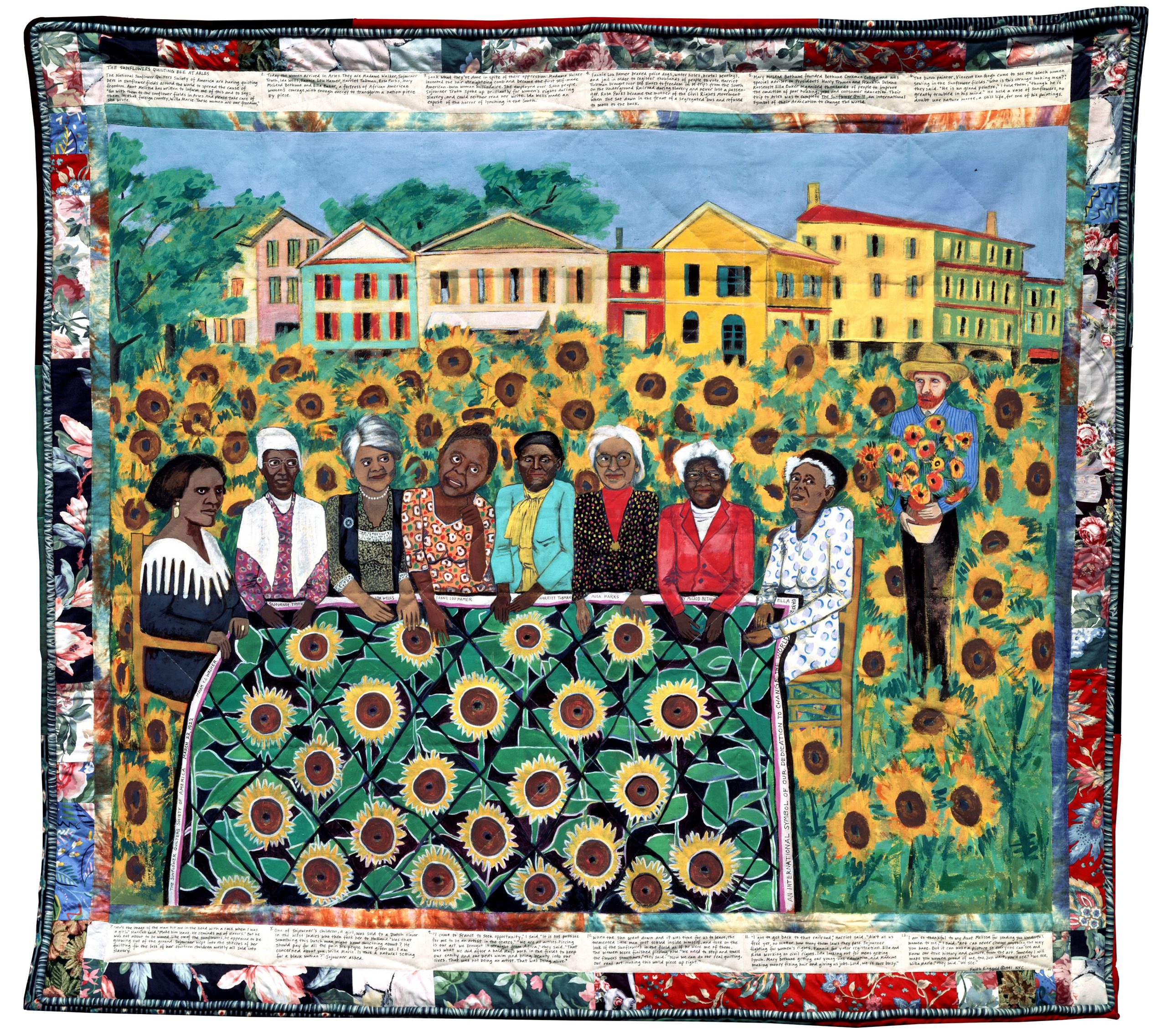
words by Teneshia Carr
words by Teneshia Carr
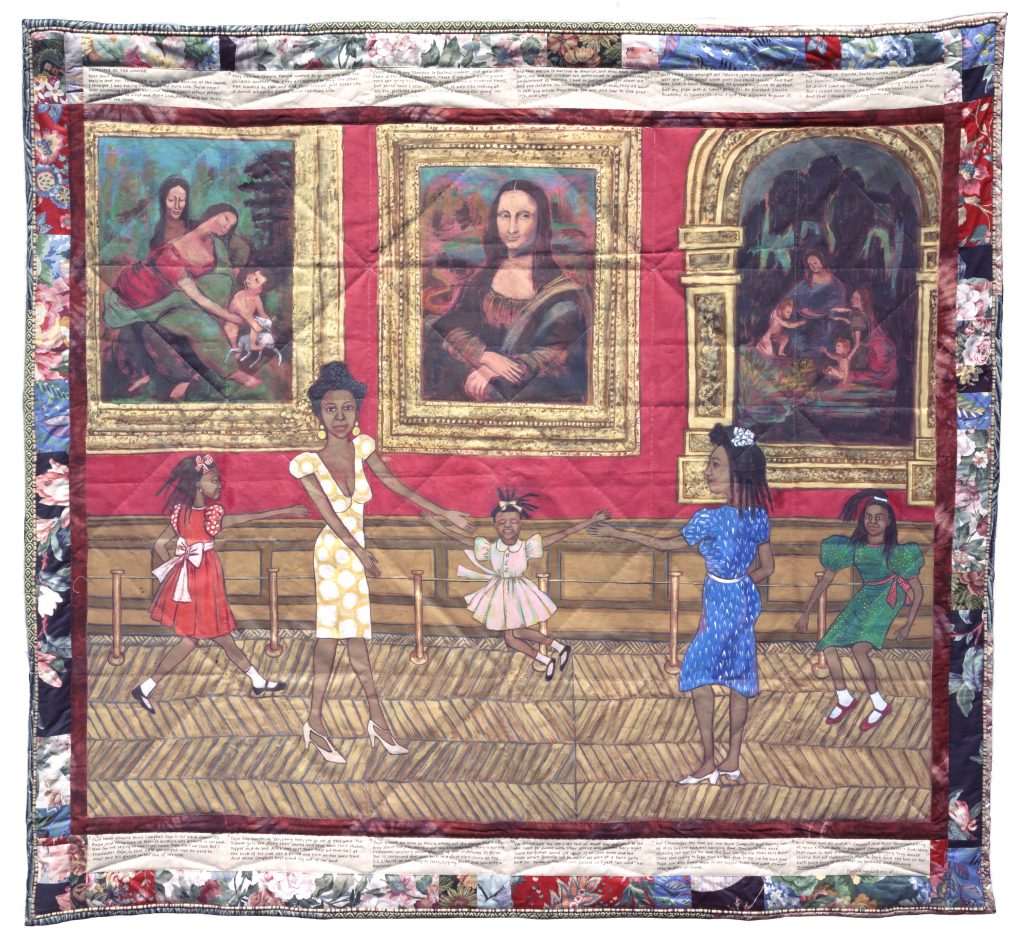
In the realm of contemporary art, few names resonate with the vibrancy and profound social impact of Faith Ringgold. Born in 1930, Ringgold has etched her name in the annals of art history as a versatile and fearless artist, storyteller, educator, and activist. Her work, characterized by bold colors, narrative quilts, and powerful themes of race, gender, and class, transcends mere artistic expression, becoming a loudspeaker for social justice and change.
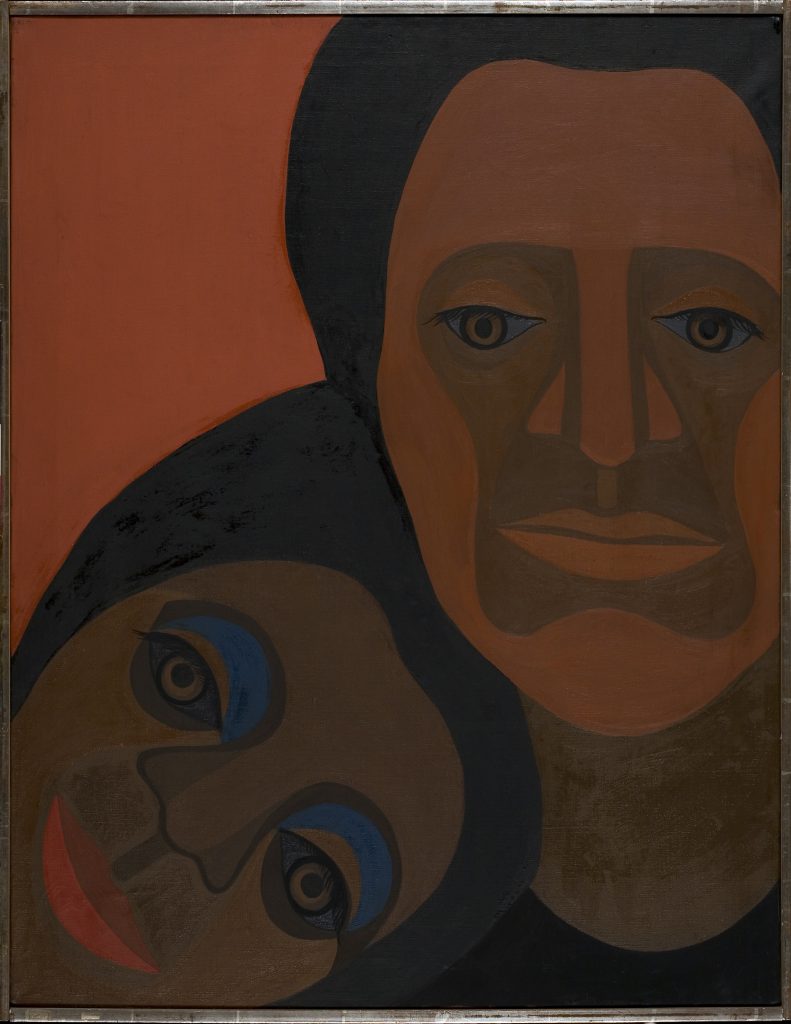
Growing up in Harlem, New York, during the Harlem Renaissance, Ringgold was surrounded by the cultural dynamism that would come to shape her artistic vision. Her early work in the 1960s, dominated by painted story quilts and politically charged paintings, challenged the norms of a racially segregated America and pushed the boundaries of what art could communicate.
Ringgold’s art is not just a reflection of her times; it is a dialogue with history, a challenge to the status quo, and an unapologetic celebration of African-American culture. She weaves personal and universal narratives through her famous story quilts, inviting viewers to ponder the intertwined threads of race, feminism, and identity.
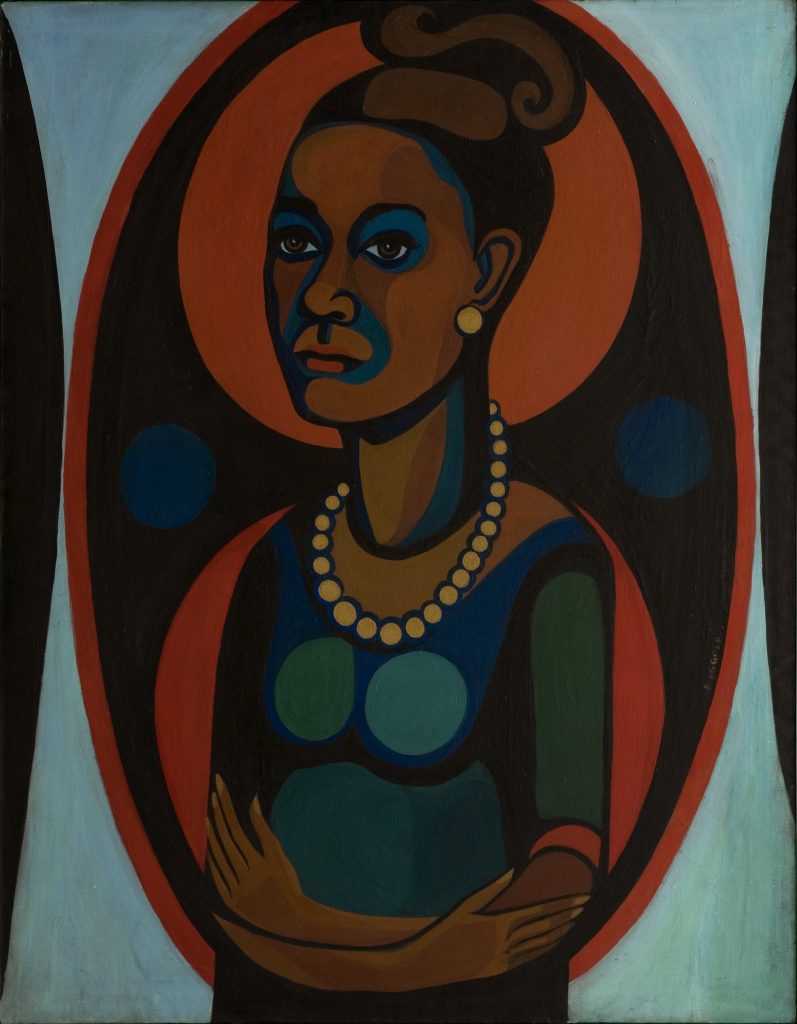
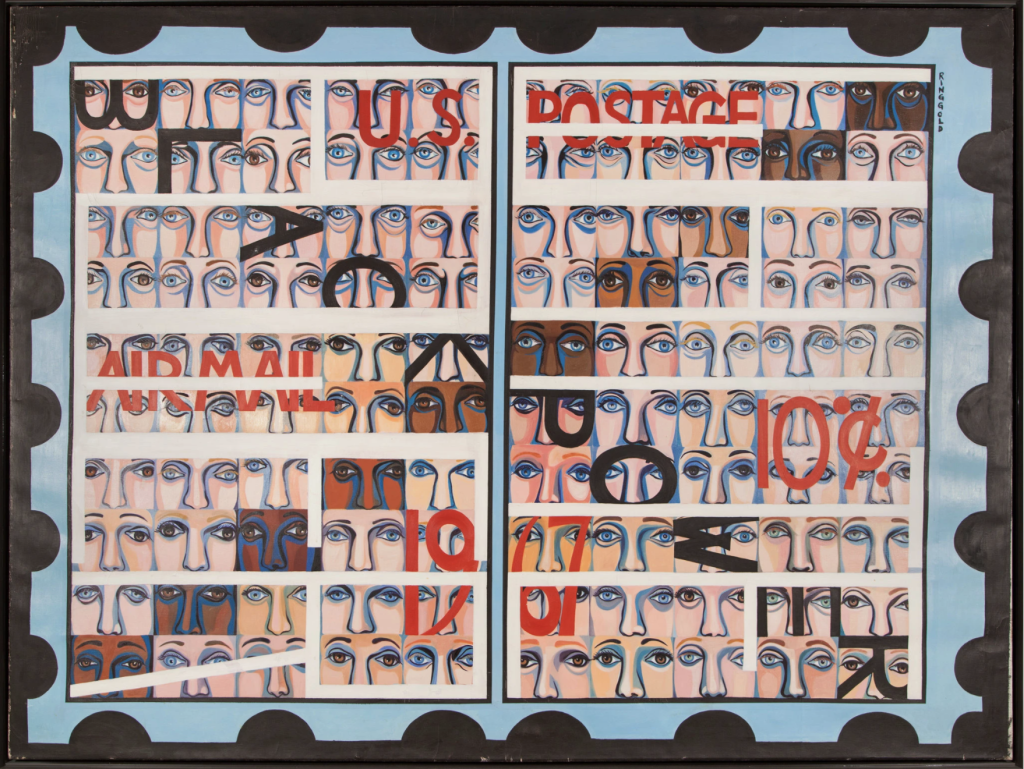
Faith Ringgold’s journey as an artist in the tumultuous 1960s and 1970s was marked by her profound connection to the Black Arts Movement. In 1967, Ringgold experienced a defining moment with the emergence of the phrases “Black Power” and “Black is Beautiful,” which significantly influenced her work. This period saw the creation of her seminal large-scale oil paintings, including the iconic “US Postage Stamp Commemorating the Advent of Black Power.” These works were not just art; they were bold statements in the face of societal upheaval, encapsulating the spirit of a movement that was reshaping history.
Ringgold not only witnessed but contributed to a Renaissance in the acceptance of African-American artists, particularly black women. She noted the gradual shift in institutional attitudes towards diversity in art collections, reflecting the changing audience demographics. In the early 1960s, Ringgold bravely stepped forward to assert her presence in the art world, a domain where black women were often sidelined. Inspired by leaders like Dorothy Height and Shirley Chisholm, yet lacking black role models in the arts, Ringgold forged her path, undeterred by the absence of black artists in her educational curriculum.
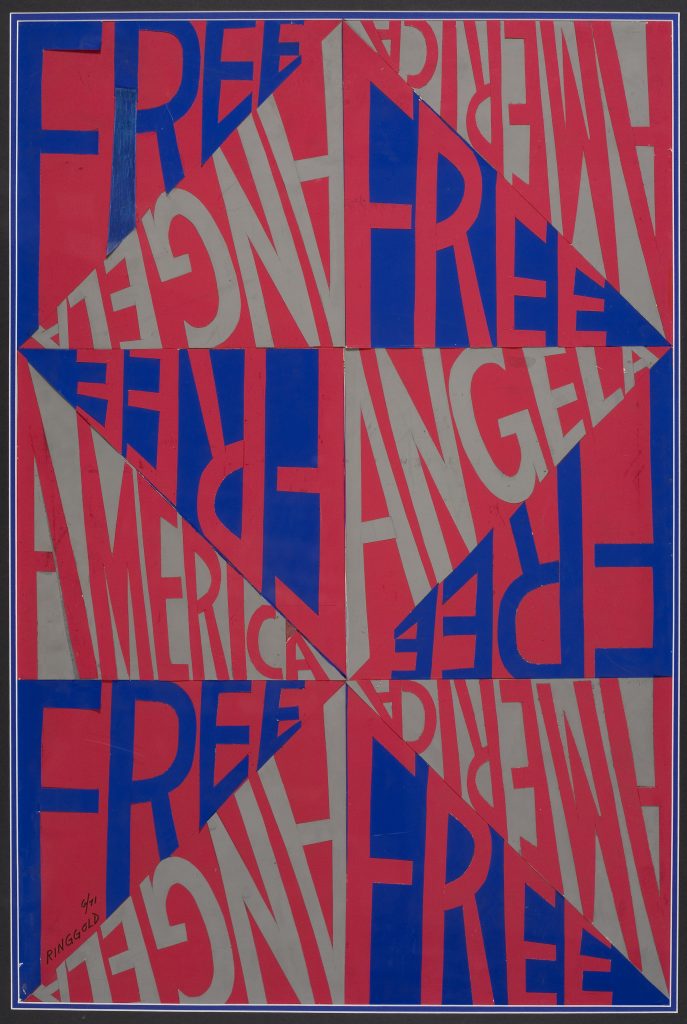
Ringgold’s activism extended beyond her paintings. In 1971, she founded “Where We At,” a black feminist women’s art group focusing on social consciousness rather than direct activism. This was followed by “Art Without Walls” in 1972, an initiative bringing art workshops to the Women’s House of Detention on Rikers Island. Her continued efforts led to founding “Coast to Coast” in 1987, a network aimed at integrating women of color into the mainstream American art scene.
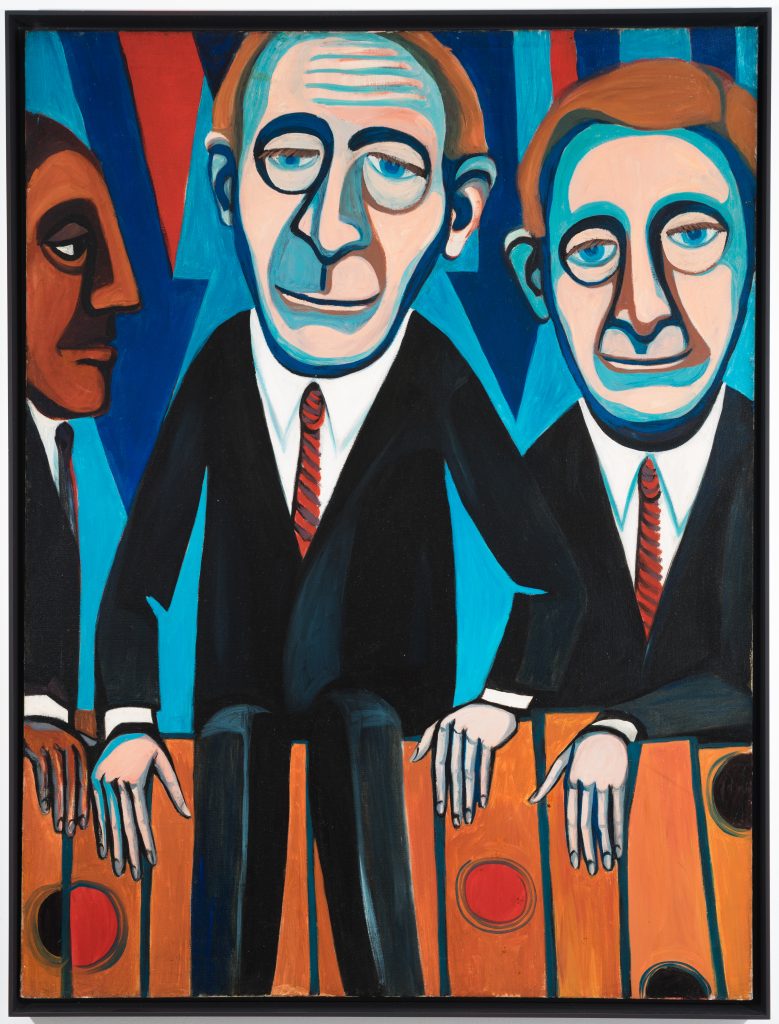
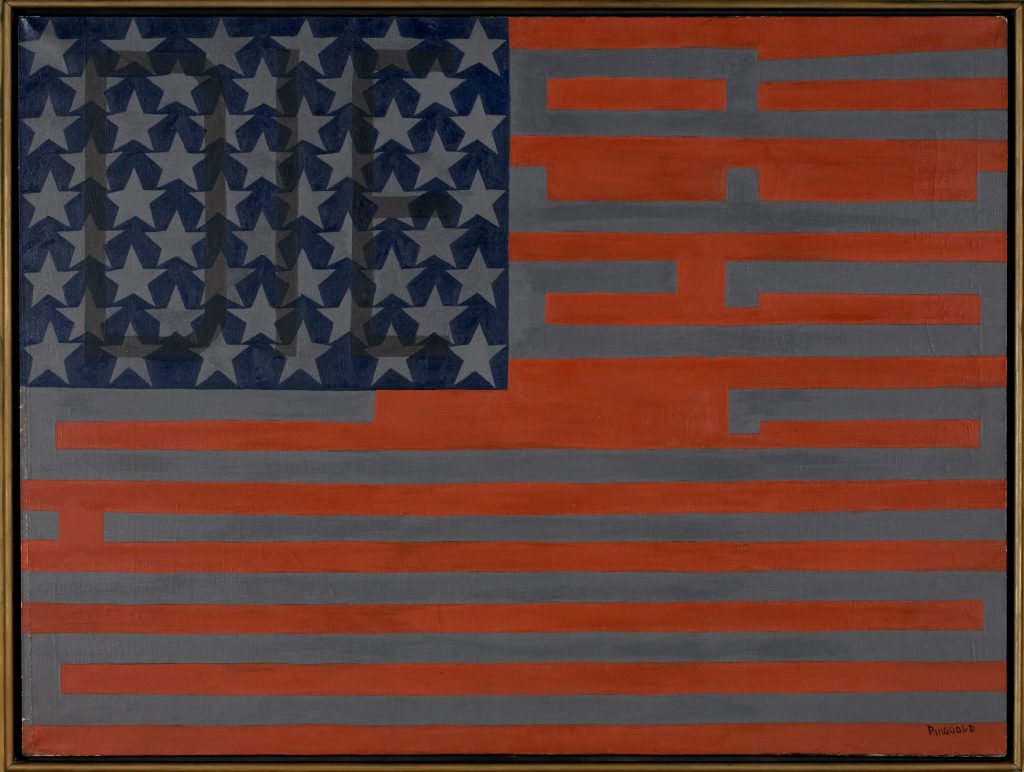
A pivotal moment in Ringgold’s career was the acquisition of her work by the Chase Manhattan Bank art collection in 1970. The painting that was initially considered “Flag for the Moon: Die Nigger” was ultimately deemed too controversial, leading to the selection of “Six Shades of Black,” later renamed “The American Spectrum” at her mother’s suggestion. This recognition was a testament to her growing influence in the art world.
Ringgold has been a lifelong mentor to artists of all ages, from children to college students. She considers her children’s books as another avenue for mentorship, using stories and images to inspire and teach. The freedom and uninhibited creativity of her youngest students have been a source of inspiration for her. The works of emerging artists like Kandy G Lopez resonate with Ringgold, exemplifying the continuation of artistic and cultural exploration.
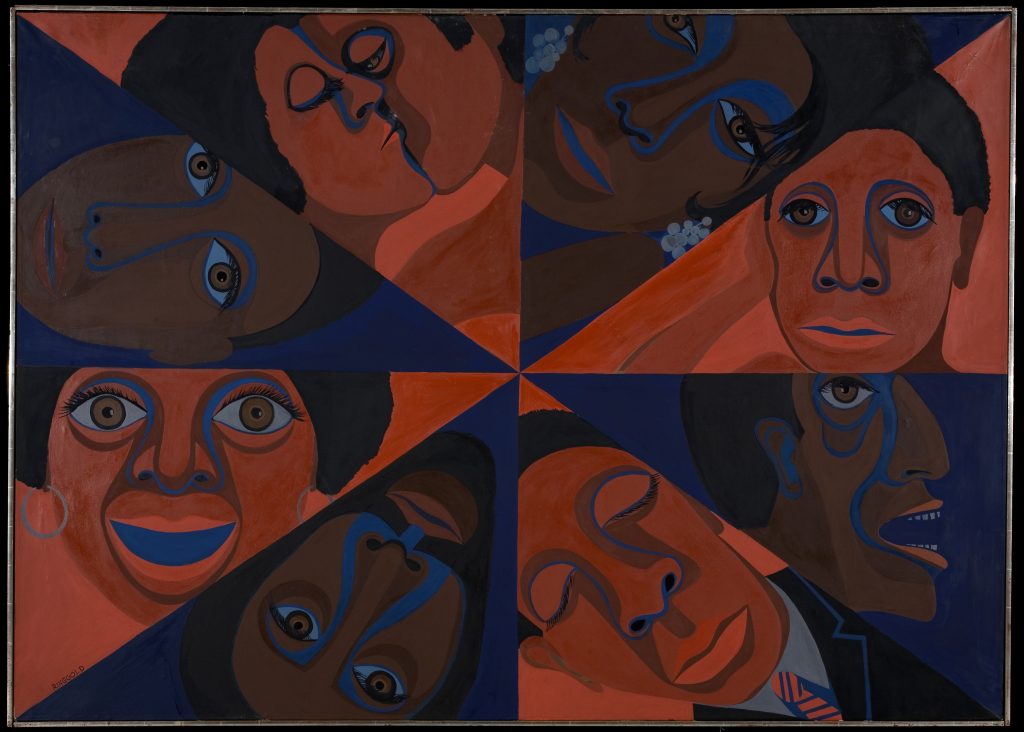
In her later works, Ringgold approaches the issue of prejudice in a new way. She no longer uses confrontational imagery to criticize prejudice. Instead, she subverts it by presenting positive role models to young African Americans. She re-imagines hurtful racial stereotypes as strong, successful, and heroic women, thus challenging the negative stereotypes that have been imposed on them.
Looking towards the future, Ringgold hopes her work will be remembered as a testament to self-belief and perseverance. Her message to artists is clear: “Believe in yourself. Trust yourself and keep moving ahead through challenges and setbacks. ARTISTS, DO YOUR WORK!” This mantra encapsulates her journey as an artist and an activist, a journey marked by resilience, innovation, and a steadfast commitment to social change through art.
The post Faith Ringgold appeared first on Blanc Magazine.