‘Bin The Barbaric Sovereignty Bill’: Ugandans Tell MPs
By Tom Oniro Elenyu Photos: Tom Oniro Citizens from all walks of life have railed and rallied against the Government’s rushed Protection of Sovereignty Bill, 2026 as the deadline for public participation and consultations folded on April 24. Following cabinet approval, the ruling National Resistance Movement (NRM) caucused and promptly endorsed the Bill; raising more eyebrows on the intent of the Bill. “We were colonised by the British; the UK has similar legislation. We’re not reinventing the wheel. The proposed law seeks to regulate foreign financial flows to ensure they’re for legitimate purposes and not harmful to Uganda,” Government Chief Whip, Denis Hamson Obua told a press briefing at Parliament on March 27 post-NRM Caucus meeting. The caucus blessed the Bill as a mechanism to operationalise constitutional principles of sovereignty claiming that all power belongs to the people, and must be exercised in accordance with their will. School children at a Play Ground in suburban Kampala. Some of them have parents and guardians in the diaspora sending them school fees and family support monies which the Bill now criminalizes. The Bill, according to NRM, protects Uganda’s independence yet the same NRM government also receives foreign funding through the Bretton Woods Institutions—IMF and World Bank. On April 15, the Bill was tabled before Parliament for the First Reading. “An Act to provide for the protection of the sovereignty of the people of Uganda; to designate the department responsible for peace and security as the responsible entity for the registration and regulation of agents of foreigners; to provide for the protection of the sovereignty of Uganda; to provide for the registration of agents of foreigners; to regulate the funding and any other assistance to agents of foreigners and for related matters,” said Junior Internal Affairs minister, Gen David Muhoozi, while tabling the Bill. It was then referred to the Committee on Defence and Internal Affairs for processing. By April 21, the Bill was read for the Second time in total contravention of the laid-down parliamentary procedures. Procedurally, the Second Reading should have waited for the consultations and public participation to take place following which the Third Reading would precede the passing of the Bill by the august House. Currently under scrutiny, the Bill is criticised as draconian and targeting members of the political opposition, NGOs/CSOs, human rights defenders and journalists; thereby suffocating civic space in the country. Among other sectors of the economy, the Bill does not spare health either. “Over 80% of Uganda’s health budget is foreign-funded. Government doesn’t reach out everywhere; that’s why they contract out such services like the health sector,” Health Sector Policy Specialist, Dr Anthony Ekwaro-Obuku, said on Kampala’s Radio One Talk Show, Spectrum Extra, on April 24. “With this Bill, research and innovation services will die…The majority of research money comes from abroad. When it comes to emergency services like Ebola, who comes in?” the former president of the Uganda Medical Association, asks; then answers: “Non-State Actors…It is going to create a huge bureaucratic bottleneck for specialists to come into Uganda. Telemedicine will also be affected. It will strangle services. The Medical Council finds this Bill very; very problematic…If you go and hold a press conference, and say ‘we don’t have drugs in Mulago [National Referral Hospital’], this law will catch up with you.” Human Rights Watch on April 24 said the Bill restricts people’s rights instead of protecting it. Once law, the Bill seeks to control foreign funding, political activities and criminalizes individuals or entities receiving foreign support to promote policies not adopted by Cabinet. It makes it mandatory to register “agents of foreign entities” and penalizes organizations with about US$1.1 million and individuals can be imprisoned for 20 years. The draft law empowers authorities to seize assets deemed linked to illegal foreign funding and compel financial institutions to report foreign monthly transactions to the Internal Affairs ministry. The Bill, in its current form, yet more sensitively, introduces offences relating to any alleged foreign interference in Uganda’s electoral processes. In their submissions, Civil Society Organisations have rejected the Bill arguing that whereas it purports to protect sovereignty, it rather undermines sovereignty. Religious and cultural leaders, elders and media practitioners have equally urged Parliament to bin the Bill. The Uganda Bankers’ Association, too, has rejected the Bill. Government has suspended some NGOs in the country and ordered banks to freeze their bank accounts. Individual NGO workers and human rights defenders’ bank accounts like for Agather Atuhaire has been frozen. “The key question around this Bill is: How, and to what extent, can a democrati
 Black News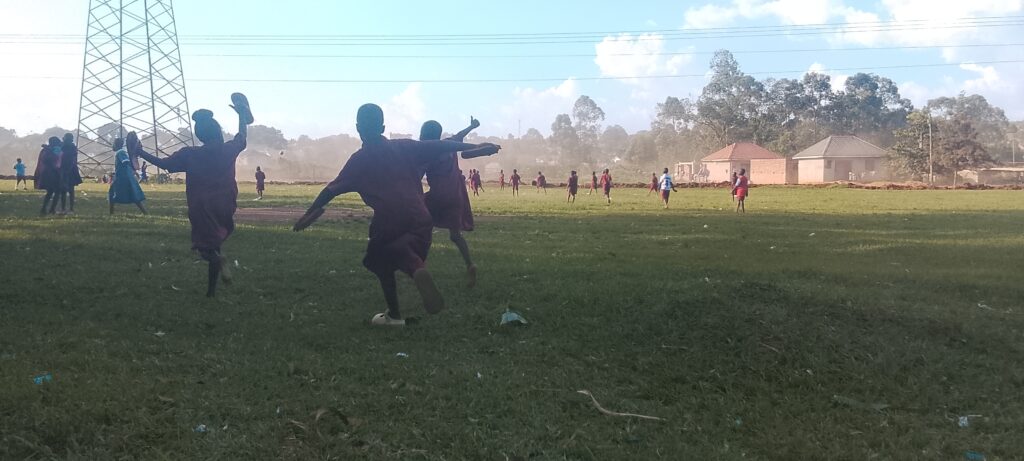

By Tom Oniro Elenyu
Photos: Tom Oniro
Citizens from all walks of life have railed and rallied against the Government’s rushed Protection of Sovereignty Bill, 2026 as the deadline for public participation and consultations folded on April 24. Following cabinet approval, the ruling National Resistance Movement (NRM) caucused and promptly endorsed the Bill; raising more eyebrows on the intent of the Bill. “We were colonised by the British; the UK has similar legislation. We’re not reinventing the wheel. The proposed law seeks to regulate foreign financial flows to ensure they’re for legitimate purposes and not harmful to Uganda,” Government Chief Whip, Denis Hamson Obua told a press briefing at Parliament on March 27 post-NRM Caucus meeting. The caucus blessed the Bill as a mechanism to operationalise constitutional principles of sovereignty claiming that all power belongs to the people, and must be exercised in accordance with their will.

School children at a Play Ground in suburban Kampala. Some of them have parents and guardians in the diaspora sending them school fees and family support monies which the Bill now criminalizes.
The Bill, according to NRM, protects Uganda’s independence yet the same NRM government also receives foreign funding through the Bretton Woods Institutions—IMF and World Bank.
On April 15, the Bill was tabled before Parliament for the First Reading. “An Act to provide for the protection of the sovereignty of the people of Uganda; to designate the department responsible for peace and security as the responsible entity for the registration and regulation of agents of foreigners; to provide for the protection of the sovereignty of Uganda; to provide for the registration of agents of foreigners; to regulate the funding and any other assistance to agents of foreigners and for related matters,” said Junior Internal Affairs minister, Gen David Muhoozi, while tabling the Bill. It was then referred to the Committee on Defence and Internal Affairs for processing.
By April 21, the Bill was read for the Second time in total contravention of the laid-down parliamentary procedures.
Procedurally, the Second Reading should have waited for the consultations and public participation to take place following which the Third Reading would precede the passing of the Bill by the august House.
Currently under scrutiny, the Bill is criticised as draconian and targeting members of the political opposition, NGOs/CSOs, human rights defenders and journalists; thereby suffocating civic space in the country. Among other sectors of the economy, the Bill does not spare health either. “Over 80% of Uganda’s health budget is foreign-funded. Government doesn’t reach out everywhere; that’s why they contract out such services like the health sector,” Health Sector Policy Specialist, Dr Anthony Ekwaro-Obuku, said on Kampala’s Radio One Talk Show, Spectrum Extra, on April 24.
“With this Bill, research and innovation services will die…The majority of research money comes from abroad. When it comes to emergency services like Ebola, who comes in?” the former president of the Uganda Medical Association, asks; then answers: “Non-State Actors…It is going to create a huge bureaucratic bottleneck for specialists to come into Uganda. Telemedicine will also be affected. It will strangle services. The Medical Council finds this Bill very; very problematic…If you go and hold a press conference, and say ‘we don’t have drugs in Mulago [National Referral Hospital’], this law will catch up with you.”
Human Rights Watch on April 24 said the Bill restricts people’s rights instead of protecting it.
Once law, the Bill seeks to control foreign funding, political activities and criminalizes individuals or entities receiving foreign support to promote policies not adopted by Cabinet. It makes it mandatory to register “agents of foreign entities” and penalizes organizations with about US$1.1 million and individuals can be imprisoned for 20 years.
The draft law empowers authorities to seize assets deemed linked to illegal foreign funding and compel financial institutions to report foreign monthly transactions to the Internal Affairs ministry. The Bill, in its current form, yet more sensitively, introduces offences relating to any alleged foreign interference in Uganda’s electoral processes.

In their submissions, Civil Society Organisations have rejected the Bill arguing that whereas it purports to protect sovereignty, it rather undermines sovereignty. Religious and cultural leaders, elders and media practitioners have equally urged Parliament to bin the Bill. The Uganda Bankers’ Association, too, has rejected the Bill. Government has suspended some NGOs in the country and ordered banks to freeze their bank accounts. Individual NGO workers and human rights defenders’ bank accounts like for Agather Atuhaire has been frozen.
“The key question around this Bill is: How, and to what extent, can a democratic society protect itself from inappropriate and manipulative influence by foreign actors?” Justice and Constitutional Affairs minister, Norbert Mao, asked on April 22.
Mao’s question attracted a prompt rebuttal from constitutional lawyer and Executive Director of East and Horn of Africa’s constitutional watchdog—the Center for Constitutional Governance—Dr Sarah Bireete: “…if this was the intention, then Cabinet would have introduced a law similar to that of the US—The FARA Act—which deal[s] with regulating abilities of foreign lobbyists and how State funding is used by foreigners. Ours seeks to take away the sovereignty of the people and making foreign financial inflows a permissible and punishable commodity.”
According to a Mayor-elect Rev Muhanga, writing on X (formerly twitter), April 23; “…that Bill is barbaric. That view is inhuman and ungodly. There is no evil in having a friend from abroad and there is nothing wrong with that friend offering support. I do not need anyone’s permission to receive help.”
The statutory lawyers’ umbrella body—the Uganda Law Society—has described the Bill a “constitutional coup” which is “unconstitutional, null and void”.
“Sovereignty belongs to the people and that includes Ugandans wherever they are; the question is not whether to protect it, but how to do so without harming the very people it belongs to,” says the lawyers’ lawyer Elison Karuhanga, at JSC Conversations.
“After the enactment of the Protection of Sovereignty Bill, Uganda will have to forget the refugee-hosting issue. Refugee assisting agencies will not risk working in a country where foreign inflows attract criminal sanctions on entities and directors,” Bireete argued, April 23. Uganda currently plays host to nearly two million refugees seeking safety from war-torn Democratic Republic of Congo, South Sudan, Somalia, Sudan and others fleeing political persecution and human rights abuses in Ethiopia and Eritrea. Uganda is the highest refugee-hosting country in Africa, and only second to Canada in the world.
The country’s refugee response programs have had hiccups following US President Donald Trump’s January 28, 2025 Executive Order freezing USAID-funded activities in poor countries; including Uganda. The funds’ freeze forced Uganda to turn to China for assistance.
Meanwhile, ironically though, as government tabled the Bill on the Floor of Parliament, the junior Finance minister and the ministry’s top technocrats were in Washington, DC meeting IMF and World Bank officials with the country’s begging basket asking for foreign inflows to fund the national budget. The 2026 IMF/World Bank Spring Meetings in Washington, DC discussed a proposal on Development Policy Operation aimed at supporting Uganda’s socio-economic transformation agenda.