Bishops warn Constitutional Amendment Bill No. 3 threatens Zimbabwe’s democracy
Zimbabwe’s Catholic bishops have raised concerns over the proposed Constitutional Amendment Bill Number 3, saying it may have far-reaching implications on the country’s democratic processes. In a statement, the Zimbabwe Catholic Bishops Conference (ZCBC) said the Bill, which was recently gazetted by Parliament, could affect key provisions of the 2013 Constitution, a document adopted through […] The post Bishops warn Constitutional Amendment Bill No. 3 threatens Zimbabwe’s democracy appeared first on NewZimbabwe.com.
 Black News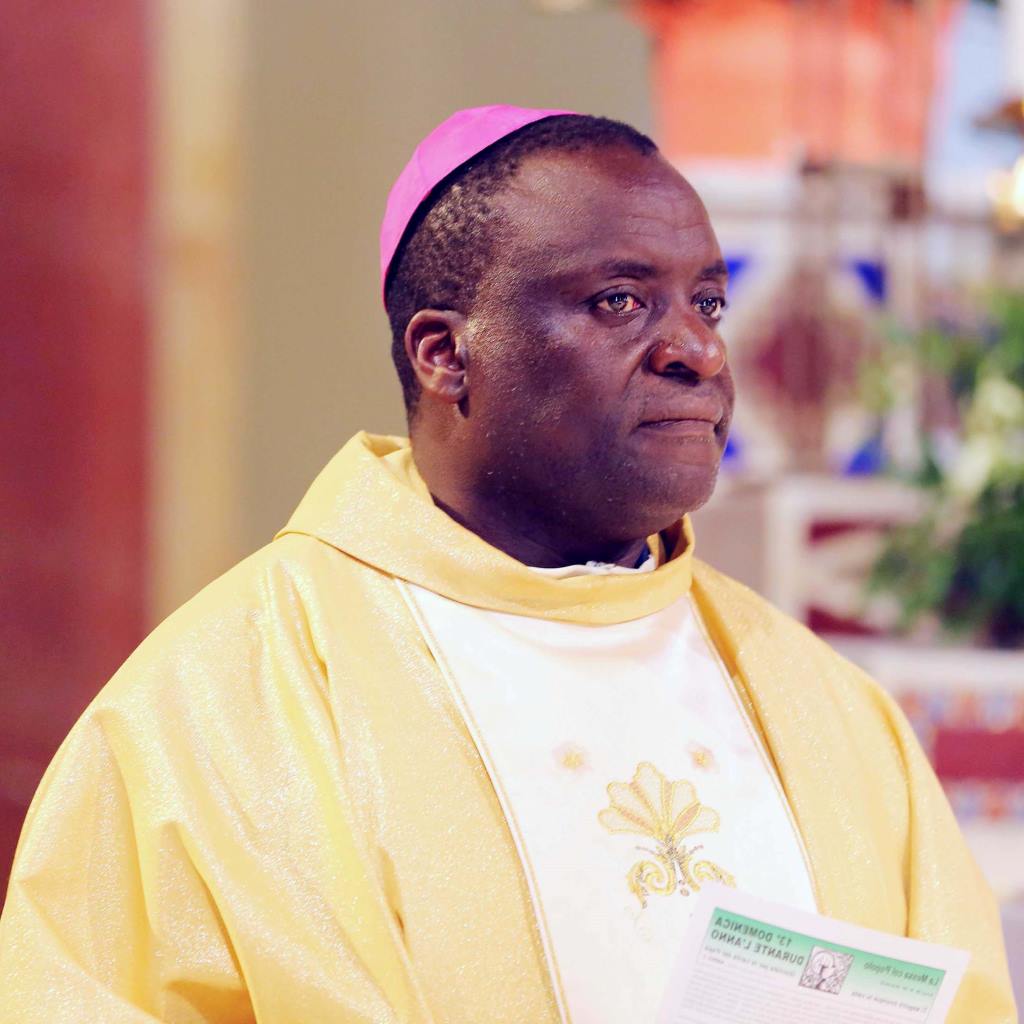
Zimbabwe’s Catholic bishops have raised concerns over the proposed Constitutional Amendment Bill Number 3, saying it may have far-reaching implications on the country’s democratic processes.
In a statement, the Zimbabwe Catholic Bishops Conference (ZCBC) said the Bill, which was recently gazetted by Parliament, could affect key provisions of the 2013 Constitution, a document adopted through a national referendum.
The Bill proposes several changes, including extending President Emmerson Mnangagwa’s term of office and altering the current system under which the President is directly elected by citizens. Supporters of the Bill say the proposed reforms are lawful and intended to address governance challenges, while critics argue that they raise constitutional concerns.
Legal experts note that section 91(2) of the Constitution limits a President to two terms of office. Although the Bill does not expressly remove this limit, proposals to extend the current term have prompted debate about how this provision should be interpreted and applied.
Section 95(2) provides that the President’s term of office is five years and runs concurrently with the life of Parliament. Analysts say any extension of this term may have implications for the constitutional structure, particularly in relation to electoral timelines and governance.
Section 143(1) similarly fixes the duration of Parliament at five years. Observers point out that the Constitution links the tenure of the President and Parliament to the same electoral cycle, raising questions about the legal and practical implications of extending these terms without a fresh election.
Debate has also centred on section 328(7), which states that any amendment extending the length of time a person may hold public office does not apply to individuals already in office at the time of the amendment. Legal experts say this provision is designed to regulate how term-limit changes operate and has become a key point of discussion in assessing the Bill.
“In 2023, you elected representatives for five-year terms. Extending these terms to seven years without seeking a new mandate from the voters undermines democratic legitimacy. Section 328(7) of our Constitution explicitly prevents incumbents from benefiting from term extensions. To sidestep this via amendment, without a referendum, creates a “glaring contradiction” and threatens the very existence of our constitutional democracy,” reads part of the bishops’ statement.
The bishops also commented on proposals to change the method of electing the President, noting that the current system allows for direct election by voters.
“The right to directly elect the President is a core mechanism of citizen sovereignty. Moving this power to Parliament distances executive authority from the popular consent of the people,” the bishops said.
The bishops further urged authorities to ensure that citizens are given an opportunity to participate in decisions that affect the country’s governance framework.
“President Mnangagwa has often said, “the voice of the people is the voice of God” (vox populi, vox Dei). We hold dear this wisdom. To sideline it risks fracturing the bonds of ubuntu/unhu, where true leadership builds up the whole community, not just a part.
“The common good demands that citizens actively participate in decisions affecting their future, through principles like subsidiarity—empowering lower levels of society—and solidarity—sharing responsibility forall. When the people’s role fades, so too does the legitimacy of rule,” the Bishops added.
The proposed amendment has generated debate among legal practitioners and political stakeholders. Constitutional lawyer Professor Lovemore Madhuku has indicated that he intends to challenge the Bill through available legal channels.
The post Bishops warn Constitutional Amendment Bill No. 3 threatens Zimbabwe’s democracy appeared first on NewZimbabwe.com.