Kenya Is Being Paid $13.5 Million to Be America’s Ebola Buffer — And Kenyans Are Furious
A controversial health agreement between Kenya and the United States has triggered a fierce political and legal backlash, after reports emerged that Nairobi could host a quarantine and treatment facility for Americans exposed to Ebola in East Africa. The arrangement — linked to Washington’s wider regional Ebola response strategy — has raised uncomfortable questions about [...]
 Black News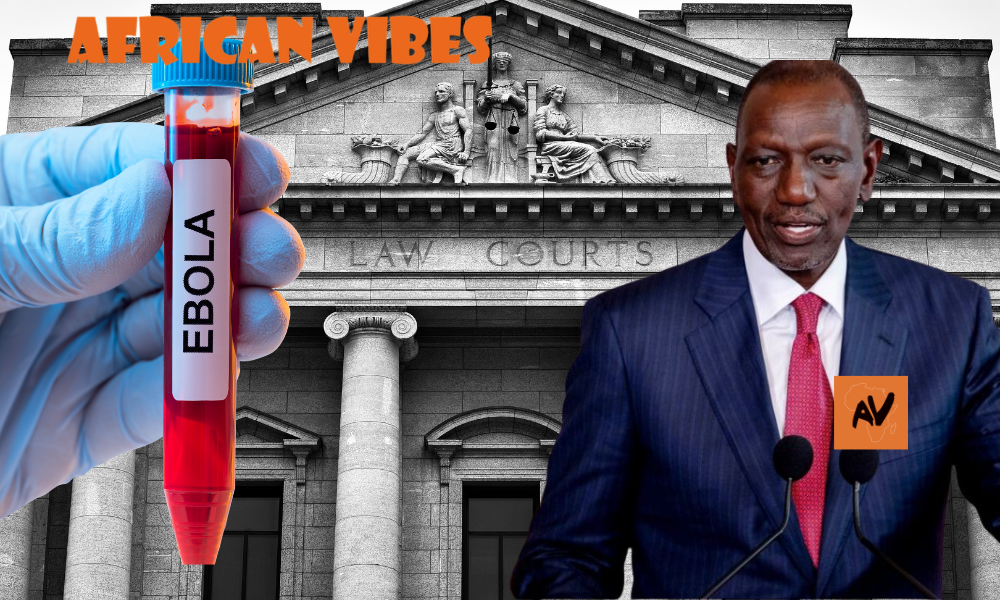
A controversial health agreement between Kenya and the United States has triggered a fierce political and legal backlash, after reports emerged that Nairobi could host a quarantine and treatment facility for Americans exposed to Ebola in East Africa.
The arrangement — linked to Washington’s wider regional Ebola response strategy — has raised uncomfortable questions about sovereignty, public safety, and what many critics describe as a glaring double standard in global health diplomacy.
At the centre of the storm is a $13.5 million US commitment to support Kenya’s Ebola preparedness as the outbreak in the Democratic Republic of Congo threatens neighbouring countries. But for many Kenyans, the issue is not the funding itself. It is what they believe the money represents.
Critics say Kenya is being positioned as a protective buffer for the United States — expected to absorb risks that Washington refuses to take on its own soil.
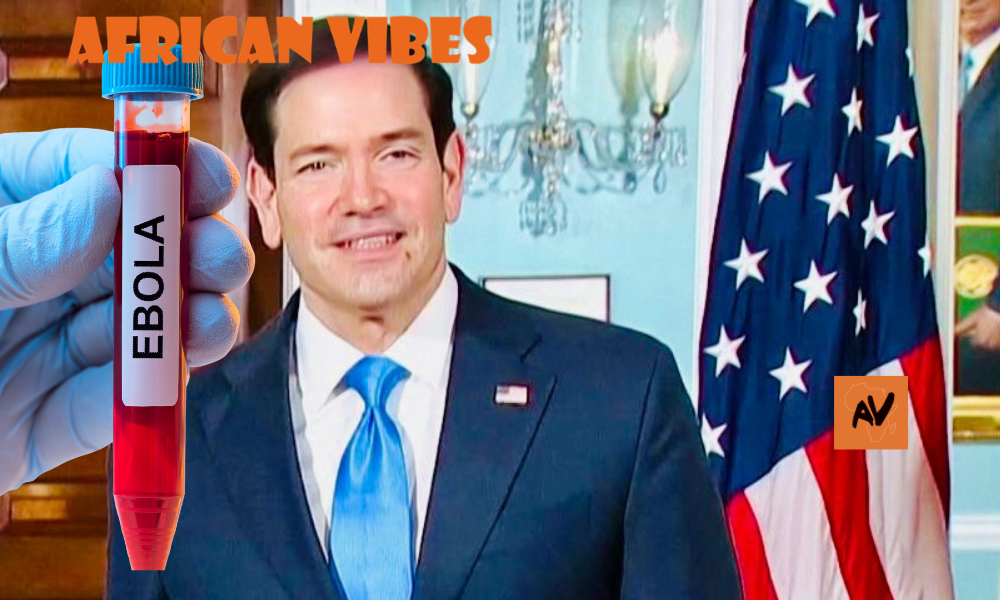
The controversy intensified after the US State Department stated that its “highest priority remains protecting the health and security of the American people by working to prevent the Ebola outbreak from reaching our shores.”
That sentence, included in an official statement following a call between US Secretary of State Marco Rubio and Kenyan President William Ruto, has become the focal point of national anger.
For many, it confirmed their fears: that the partnership was designed primarily to shield America rather than protect Kenyans.
Kenya’s High Court Steps In
The political fallout escalated dramatically on 29 May when Kenya’s High Court issued emergency conservatory orders temporarily halting the establishment of any Ebola quarantine, isolation, or treatment facility linked to the agreement.
The ruling followed an urgent petition by the Katiba Institute, a constitutional and governance think tank, which argued that the arrangement raised serious legal and public health concerns.
The court barred the Kenyan government from operationalising any Ebola-related facility under agreements with foreign governments pending a full hearing of the case.
It also prohibited authorities from facilitating the entry or transfer of individuals exposed to or infected with Ebola under the contested arrangement.
The intervention marked a rare judicial challenge to a major US-Kenya health cooperation initiative and reflected growing unease among sections of Kenyan society.
“Why Should Kenya Take This Risk?”
One of the strongest critics has been Dr Davji Bhimji Atellah, Secretary-General of the Kenya Medical Practitioners, Pharmacists and Dentists Union (KMPDU).
“We need total transparency from the Kenyan government on why they agreed to take up this offer,” he said.
Dr Atellah questioned why Kenya — whose healthcare system continues to face chronic shortages in staffing, equipment, and funding — should host facilities dealing with one of the world’s deadliest infectious diseases.
“There is a longstanding gap in Kenya’s healthcare system,” he warned.
The Law Society of Kenya has also entered the debate.
Its president, Charles Kanjama, drew attention to remarks attributed to Marco Rubio indicating that the United States “cannot and will not allow” Ebola cases onto American soil.
“If America — a first-world country — is apprehensive about the health and safety of their citizens, we’re asking the Kenyan government to have the same standard as the American government does,” Kanjama said.
For critics, the contradiction is stark.
If the disease is considered too dangerous to manage within the United States — home to some of the world’s most advanced medical infrastructure — why should Kenya be expected to shoulder that burden?
A Partnership — or a Transaction?
The US has already committed more than $112 million toward the broader East African Ebola response, while Kenya remains one of Washington’s closest health and security partners on the continent.
In December 2025, the two countries signed a major Health Cooperation Framework worth $1.6 billion over five years, aimed at strengthening Kenya’s health systems.
Kenya has also increased border screening, emergency surveillance, and laboratory preparedness in response to the Ebola threat. No confirmed Ebola cases have been reported in the country.
But opponents argue that the quarantine facility arrangement crosses a political and ethical line.
“This is not simply about supporting Kenya’s healthcare system,” one Nairobi-based constitutional lawyer told local media. “It is about outsourcing risk.”
That perception has fuelled public anger online, where many Kenyans have questioned whether the government prioritised diplomatic relations with Washington over domestic health concerns.
Echoes of Past Ebola Crises
For many Africans, the dispute has revived memories of the 2014–2016 West African Ebola epidemic, when international intervention accelerated only after cases reached Europe and the United States.
Thousands died in Guinea, Liberia, and Sierra Leone before global urgency intensified.
Critics say the current arrangement reflects the same geopolitical reality: wealthy nations invest aggressively in disease containment when their own populations feel threatened.
The language used by the State Department — emphasising the protection of American shores — has reinforced that perception.
Pressure Mounts on President Ruto
The controversy now presents a difficult challenge for President William Ruto, who has positioned Kenya as a key strategic ally of Washington.
The US-Kenya health partnership has been one of the flagship pillars of his foreign policy agenda.
But the Ebola dispute risks damaging that narrative if Kenyans begin to see the relationship as unequal.
The Kenyan government has acknowledged discussions with international partners on Ebola preparedness but has not publicly confirmed details surrounding the proposed facility.
That silence has only intensified calls for transparency.
Analysts say the administration now faces mounting pressure to explain whether the agreement genuinely serves Kenya’s national interests — or primarily advances American security concerns.
ALSO READ: US Plans Major Shift in Ebola Response With Proposed Kenya Treatment Facility
The Bigger Question
At its core, the debate extends beyond Ebola.
It touches on a broader question confronting many African nations: whether international partnerships marketed as cooperation are sometimes structured around protecting Western interests first.
Supporters of regional preparedness insist that collaboration is essential in preventing a wider Ebola crisis.
Critics do not necessarily disagree.
But they argue that cooperation cannot mean African countries absorbing disproportionate risks while richer nations keep those same dangers at arm’s length.
Kenya’s courts, medical unions, and civil society groups have now forced that conversation into the open.
Whether Nairobi and Washington can rebuild public trust may depend on what happens next.