Burkina Faso hits back at EU parliament, moves to block Western diplomatic pressure in the Sahel
Burkina Faso's military-led government has launched a fierce diplomatic rebuttal against the European Union after the European Parliament adopted a resolution condemning what it described as the continued repression of civic space and fundamental freedoms in the West African country.
 Black News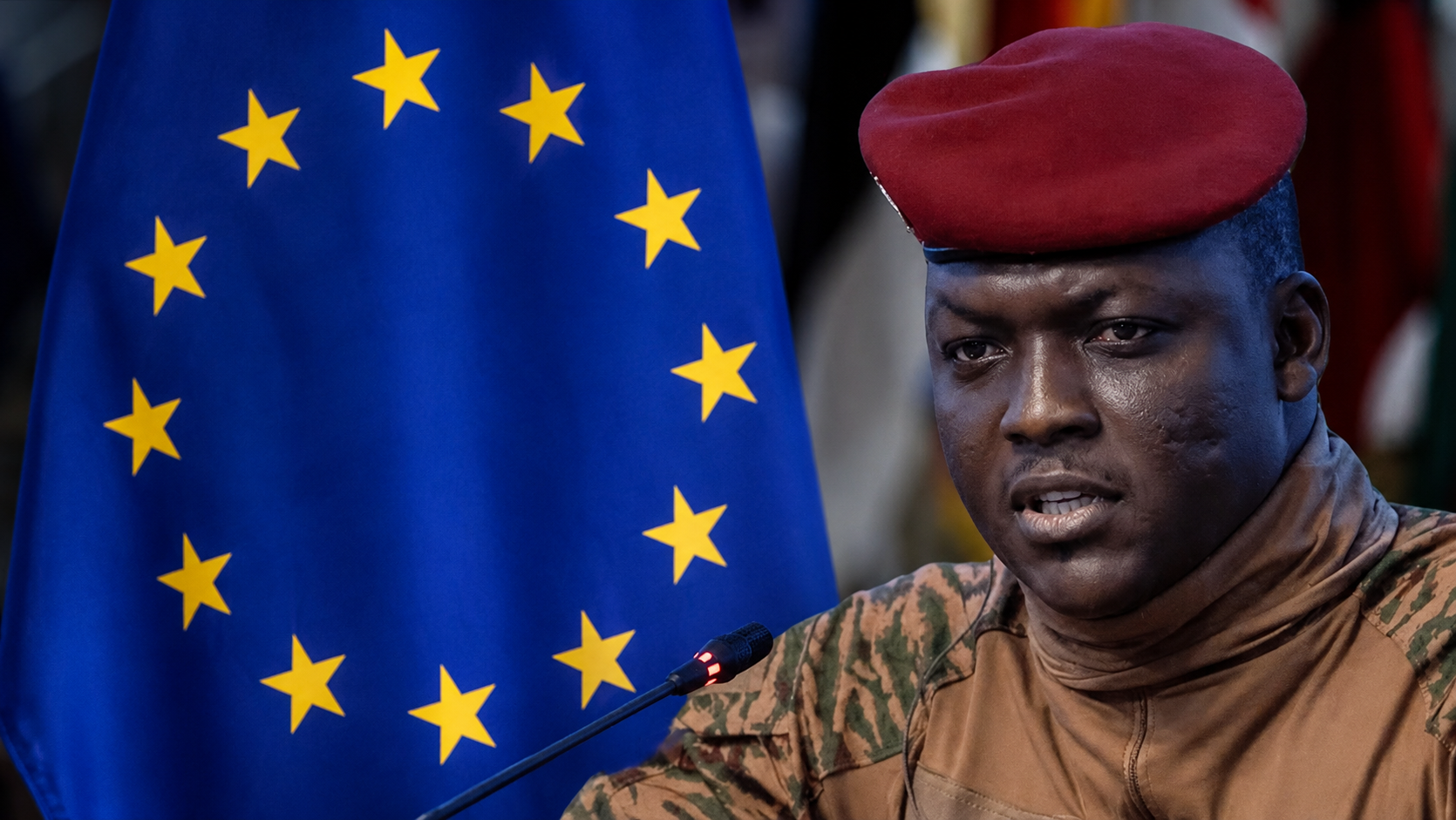

Burkina Faso's military-led government has launched a fierce diplomatic rebuttal against the European Union after the European Parliament adopted a resolution condemning what it described as the continued repression of civic space and fundamental freedoms in the West African country.
- Burkina Faso's military government strongly condemned a European Parliament resolution that criticized repression of civic freedoms in the country.
- The government dismissed the resolution as neo-colonial interference and accused the EU of ignoring Burkina Faso's security realities and progress made against insurgency.
- Burkina Faso argued that instability in the Sahel is linked to the 2011 NATO intervention in Libya, which it claims fueled terrorism and insecurity in the region.
- Authorities rejected allegations of human rights abuses, arbitrary detention, and media crackdowns as based on inaccurate information and ideological bias.
In a formal diplomatic note dated June 23 and addressed to the EU Delegation in Ouagadougou, Burkina Faso accused the European Parliament of acting as a "judge" of its internal affairs and dismissed the resolution as an expression of neo-colonial interference.
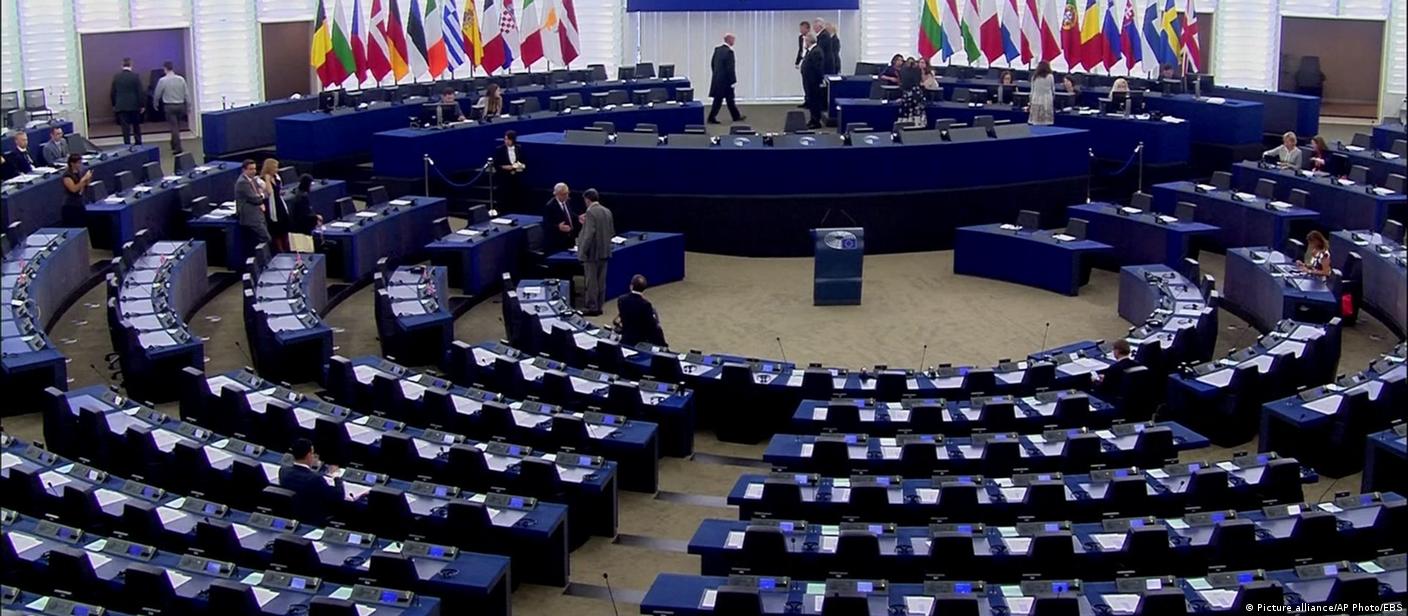
The confrontation follows a June 18 vote in which the European Parliament overwhelmingly approved a resolution expressing concern over shrinking civic freedoms in Burkina Faso.
Lawmakers cited the dissolution of civil society organizations, restrictions on media activities, pressure on journalists and opposition figures, and allegations of arbitrary detention and human rights abuses.
DON'T MISS THIS: Burkina Faso’s tourism sector hits record $165 million amid insecurity
The Parliament urged Burkina Faso's authorities to uphold freedoms of association, expression, and assembly, while calling for independent investigations into reported violations.
The resolution passed with 476 votes in favor, 11 against, and 75 abstentions, reflecting broad support within the European Parliament for increased scrutiny of the country's human rights record.
The move comes amid growing international concern over the direction of Burkina Faso under Captain Ibrahim Traoré's military government, which has increasingly prioritized security measures as it battles a persistent jihadist insurgency.
Human rights organizations and international observers have raised concerns over the shrinking space for dissent, the suspension of media outlets, and actions taken against journalists and civil society groups in the name of national security.
DON'T MISS THIS: Burkina Faso unveils $64 billion 5-year roadmap to transform economy
The resolution marked one of the strongest condemnations yet by a major Western institution of Burkina Faso's governance record since the military seized power in 2022.
Burkina Faso says EU ignored security realities
In response, Burkina Faso's Foreign Ministry issued a strongly worded diplomatic note rejecting both the content and legitimacy of the European Parliament's resolution.
"The Government of Burkina Faso has learned with deep indignation and great disappointment of the resolution adopted by the European Parliament," the statement said.
The government described the resolution as being "manifestly rooted in neo-colonial ambitions" and claimed it was inspired by "shadowy networks serving France."
According to Ouagadougou, the European Parliament's position constitutes an "unacceptable interference" in the internal affairs of a sovereign state and violates the principles of sovereign equality and non-interference enshrined in the United Nations Charter.
DON'T MISS THIS: Burkina Faso becomes Africa's gold hotspot as economic boom unlocks fresh $33 million IMF funding
The government further accused some European lawmakers of maintaining a "paternalistic approach to international relations," arguing that their conclusions were driven by ideological prejudice rather than an objective assessment of conditions in Burkina Faso.
Burkina Faso also challenged the factual basis of the European Parliament's findings, arguing that lawmakers relied on inaccurate information about the country's security and political situation while the country is engaged in what it described as an "existential struggle against terrorism and its state sponsors."
The government said the resolution ignored the progress made since 2022 in reclaiming territory from insurgent groups and strengthening the country's economy.
One of the strongest sections of the diplomatic note sought to place Burkina Faso's security crisis within a broader geopolitical context. The government argued that the instability affecting Burkina Faso and other Sahel countries is a direct consequence of the 2011 NATO intervention in Libya.
"The security crisis currently affecting Burkina Faso and several Sahelian countries is a direct consequence of the destabilization of Libya following the NATO military intervention in 2011," the note stated.
According to the government, the collapse of Libya fueled terrorism, weapons trafficking, and transnational criminal networks across the Sahel and West Africa. Burkina Faso criticized the European Parliament for ignoring what it described as a widely documented historical reality recognized by many international observers.
DON'T MISS THIS: Junta led Burkina Faso suspends more foreign media over killings coverage
The government also highlighted what it called significant gains achieved through the combined efforts of the armed forces, civilian defense volunteers, and the broader population, saying advances had been recorded in territorial recovery, counterterrorism operations, and development initiatives.
While reaffirming its commitment to maintaining "frank, respectful and mutually beneficial dialogue" with the European Union and other international partners, Ouagadougou warned that such cooperation could not thrive in an atmosphere marked by "condescension, injunctions, prejudgment or attempts to challenge sovereign choices."
In its strongest rejection yet of the European Parliament's position, Burkina Faso declared the resolution "null and void and without effect."
The latest diplomatic clash highlights the widening divide between the European Union and the military-led governments of Burkina Faso, Mali, and Niger.
Since forming the Alliance of Sahel States (AES), the three countries have increasingly portrayed Western criticism as neo-colonial interference while promoting a sovereignty-first agenda and pursuing alternative political, economic, and security partnerships outside traditional Western alliances.