
Burkina Faso set to take over $607m state cotton firm after gold industry shake-up
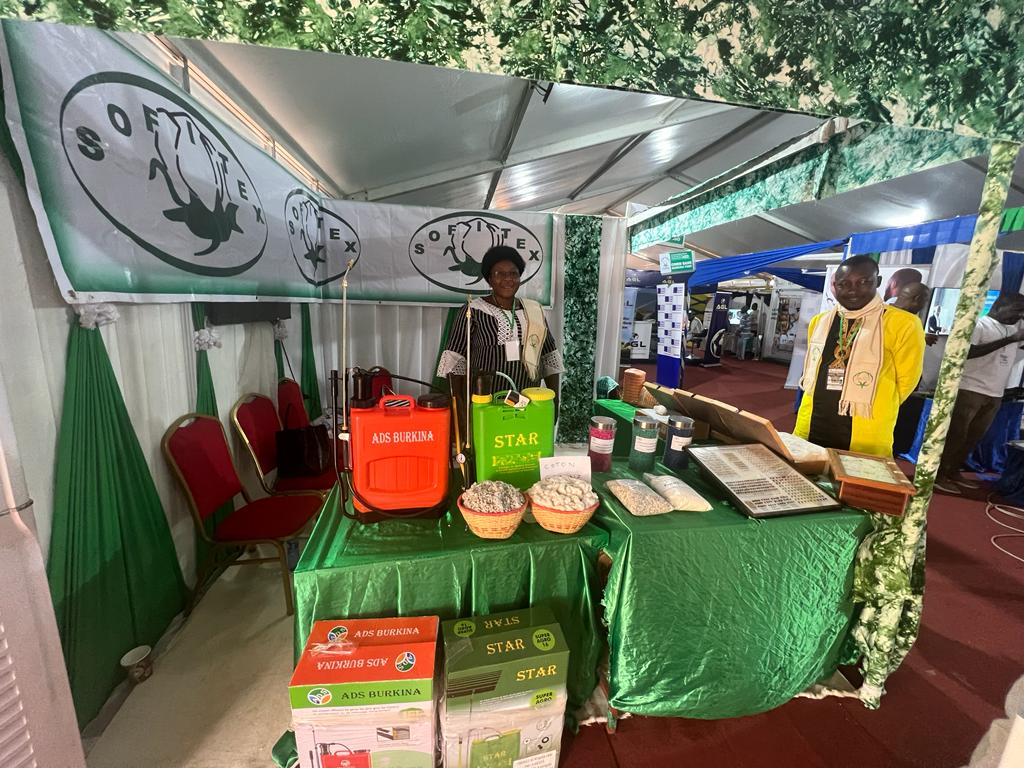
Burkina Faso is extending its state-control strategy from mining into agriculture, as authorities move to fully nationalise Société burkinabè des fibres textiles (Sofitex), the country’s dominant cotton company.
 Black News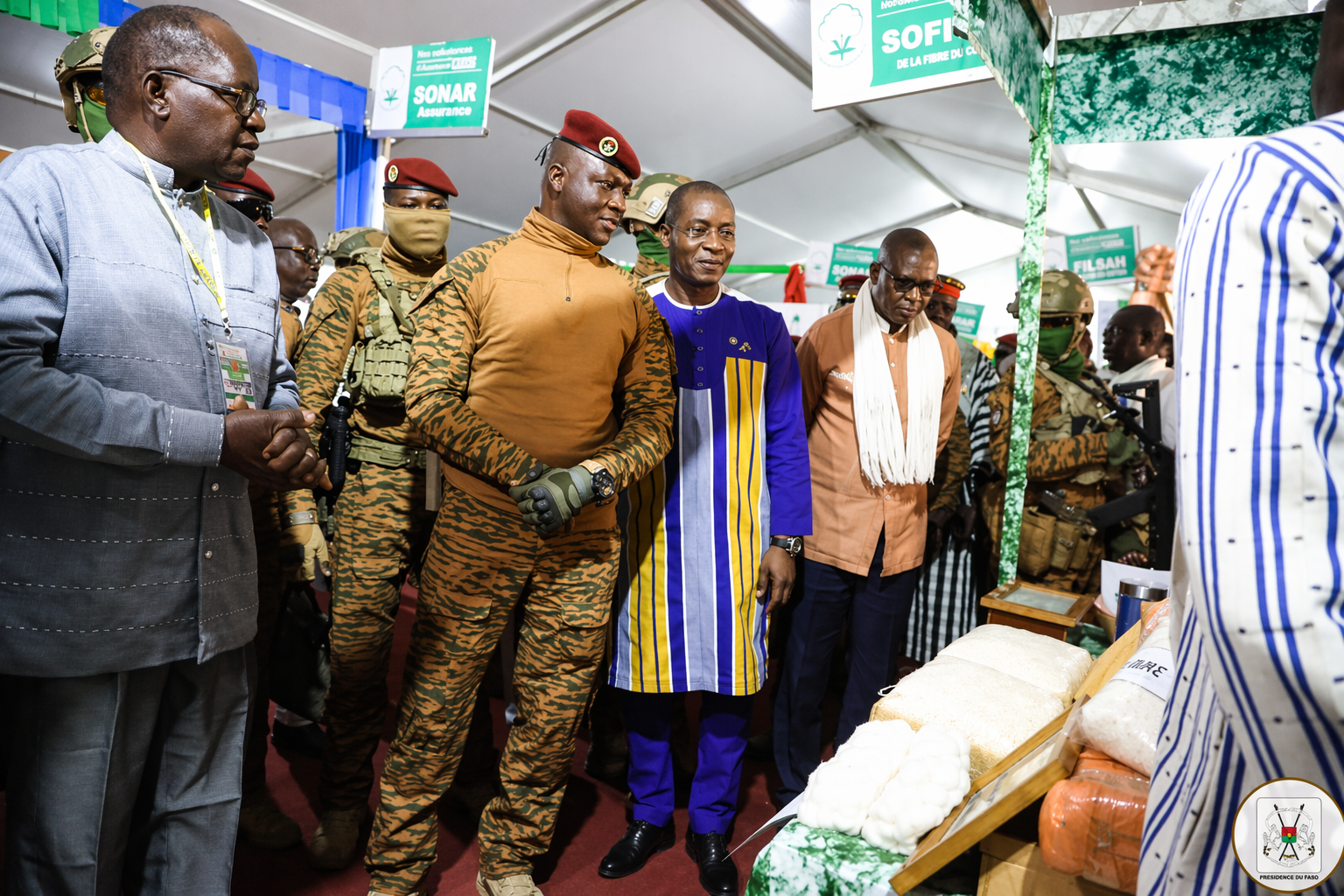



Burkina Faso is extending its state-control strategy from mining into agriculture, as authorities move to fully nationalise Société burkinabè des fibres textiles (Sofitex), the country’s dominant cotton company.
- Burkina Faso is fully nationalising Sofitex, the dominant cotton company, by buying out all remaining private shareholders.
- This move is part of a broader strategy to increase state control in key sectors such as mining and agriculture, aiming for greater public revenue.
- The government cites rising Sofitex debt, declining production, and inefficiencies as main reasons for nationalisation.
- Nationalisation mirrors similar state interventions in Burkina Faso's gold sector and reflects a wider trend in resource-rich African nations.
The decision, approved by the Council of Ministers on April 16, 2026, will see the state buy out all remaining private shareholders and become the sole owner of Sofitex.
Officials framed the move as being in the public interest, aligning with a broader policy shift aimed at increasing state participation in key revenue-generating sectors.
A 2025 valuation cited by the government places Sofitex’s total worth at 338.14 billion CFA francs (about $607 million), with the private stake valued at just over 75 billion CFA francs for 976,400 shares.
The company’s rising debt burden was a key factor behind the buyout, alongside concerns over declining productivity and operational inefficiencies.
State control strategy expands beyond gold
The Sofitex takeover mirrors earlier steps by Burkina Faso to assert greater control over its mining sector, particularly gold, which accounts for more than 70% of export earnings.
In recent years, the government has revised mining codes, increased state equity participation in new projects, and taken a more assertive stance in negotiations with foreign operators as part of a broader push to capture a larger share of value from strategic resources.
This shift is also evident in ongoing negotiations with West African Resources Limited, where Burkina Faso has indicated plans to significantly increase its stake in the Kiaka gold mine to 40%, up from 15%.
The proposal follows earlier signals from August 2025 that authorities intended to raise their interest to as much as 50%, after previously increasing their holding from 10% to 15% at no cost.
The move comes as the Australian-listed miner projects a sharp rise in output from its West African operations, underscoring the government’s growing leverage in high-value mining assets.
Together, these developments highlight a consistent policy direction: expanding state ownership and influence in both mining and agriculture, as seen in Sofitex’s nationalisation, to strengthen control over revenue-generating sectors and secure a larger share of national economic returns.
This approach reflects a broader trend across resource-rich African economies.
In Mali, transitional authorities raised the state’s stake in mining ventures through a revised mining code in 2023, allowing up to 30% ownership in strategic projects.
Similarly, Guinea has pushed for higher state participation in bauxite and iron ore developments, while Tanzania previously increased government stakes in gold mines and renegotiated contracts to secure a larger share of revenues.
Cotton sector under pressure
Burkina Faso’s pivot to agriculture comes at a time of declining cotton output. Production for the 2024/2025 season fell to 292,660 metric tons, marking a 24% drop and the third consecutive annual decline since the 2021/2022 season.
Authorities are targeting a recovery to 550,000 metric tons, with Sofitex—responsible for roughly 80% of national output—at the center of that effort.
Before its full nationalisation, Sofitex operated as a mixed-ownership cotton company in Burkina Faso, where the state already held a controlling majority stake and private investors owned a minority share valued at about 75 billion CFA francs.
Rising debt levels, declining production, and operational inefficiencies prompted the government, which has also been increasing its stake in strategic sectors such as mining through higher equity participation in gold projects, to approve full nationalisation on April 16, 2026, based on a 2025 valuation of 338.14 billion CFA francs.
The move is aimed at stabilising a sector that produces roughly 80% of the country’s cotton output, after production fell by about 24–26% to under 300,000 metric tons in the 2024/2025 season.
Officials say full state ownership will enable tighter financial discipline, improved governance, and a restructuring of operations to boost efficiency. New bylaws are expected to support internal reforms and stabilise the company’s finances.
The Sofitex nationalisation signals a clear policy direction: consolidating state control across both extractive and agricultural sectors, as Burkina Faso seeks to capture a larger share of value from its core industries and reduce vulnerability to external shocks.











.png)


