CAB3 done, is Zimbabwe now gearing for CAB4?
By Correspondent BARELY months after President Emmerson Dambudzo Mnangagwa signed Constitutional Amendment No. 3 (CAB3) into law, Zimbabwe’s constitutional debate is already shifting towards what could become the country’s next major political battle: a possible further amendment informally described in political circles as “CAB4”. CAB3 significantly altered Zimbabwe’s constitutional and electoral landscape. Among other provisions, […] The post CAB3 done, is Zimbabwe now gearing for CAB4? appeared first on NewZimbabwe.com.
 Black News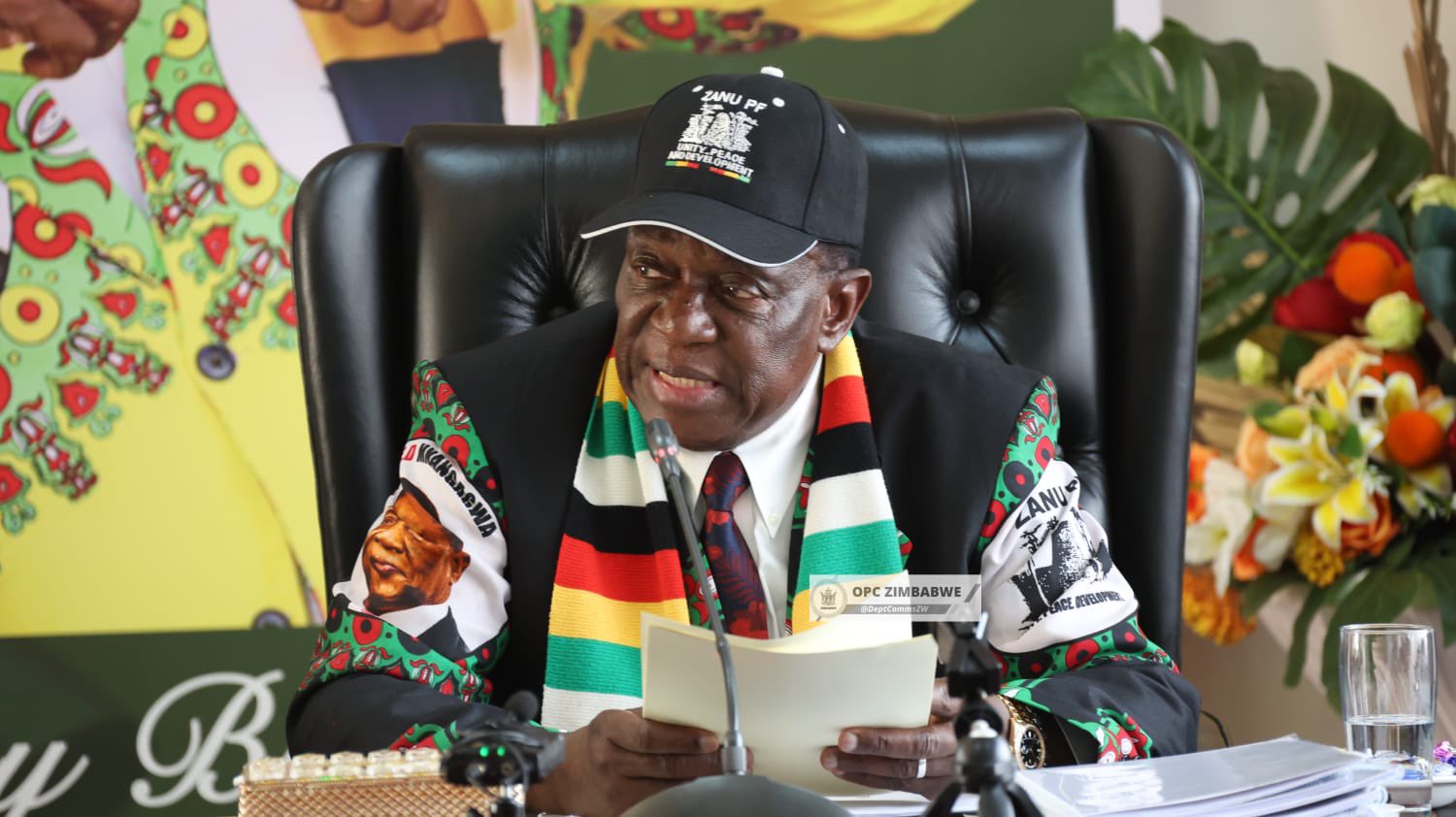
By Correspondent
BARELY months after President Emmerson Dambudzo Mnangagwa signed Constitutional Amendment No. 3 (CAB3) into law, Zimbabwe’s constitutional debate is already shifting towards what could become the country’s next major political battle: a possible further amendment informally described in political circles as “CAB4”.
CAB3 significantly altered Zimbabwe’s constitutional and electoral landscape. Among other provisions, presidential and parliamentary terms were extended from five to seven years, while the method of electing the President changed from direct popular vote to election by members of Parliament sitting jointly. The changes have extended the current political cycle to 2030, but the political conversation is already moving beyond that date. Focus is increasingly on calls from sections of Zanu PF for Mnangagwa to remain in office beyond 2030.
Harare provincial party chairman Godwills Masimirembwa has publicly called for Mnangagwa to remain at the helm for another seven years, potentially extending his leadership to 2037. That development has inevitably raised a bigger question across Zimbabwe’s political landscape: if 2030 is no longer enough, what comes next?
At present, however, calls for Mnangagwa to remain until 2037 should not be confused with an enacted CAB4, nor is there established evidence of a formal constitutional proposal for a life presidency.
Nevertheless, the calls have intensified debate about whether another constitutional amendment could eventually emerge. Against this increasingly charged political background, opposition, diaspora and civic activists are discussing possible legal challenges, demonstrations and other forms of peaceful civic action.
Information supplied to this journalist alleges that activists appearing in material described by sources as a police file include Canada-based Edmore Nyamaswe and associates; Citizens for Democracy (CDF) UK Federation Youth Chair Anna Katsande and her team; CDF UK main-wing leader Blessing Tariro Makeyi and Secretary-General Rumbidzai Chidewu; as well as activists Tadiwa Nyikayaramba, Munashe Christopher Tavengwa, Shackleton Machingura and Kuzivaishe Chibiso, together with youth activists operating inside Zimbabwe.
The appearance of such names, if authentic, would demonstrate the increasingly international character of Zimbabwe’s constitutional debate, stretching from activists inside the country to diaspora communities thousands of kilometres away.
Sources further allege that authorities have been monitoring WhatsApp and Zoom meetings involving different groups coordinating around the constitutional question. These allegations have not been independently verified and are therefore presented as claims from sources rather than established facts.
Nevertheless, activists appear determined to keep the constitutional issue alive through discussions around court action, peaceful demonstrations and other forms of lawful civic mobilisation. The timing could prove particularly significant. Zanu PF is now preparing for its 23rd National People’s Conference scheduled for 12–17 October 2026 in Chinhoyi, where party structures are expected to present resolutions from across the provinces for consideration. Preparations are already underway.
Sources further allege that information gathered on political activities by Zimbabweans living abroad could form part of discussions on how the ruling establishment responds to diaspora activism.
According to those sources, overseas political organisation, demonstrations, Zoom meetings and coordination between diaspora activists and groups inside Zimbabwe are attracting increasing attention. Again, those specific intelligence claims have not been independently verified.
But one thing is increasingly difficult to ignore: CAB3 may have been signed, but Zimbabwe’s constitutional battle appears far from over. With calls for Mnangagwa to continue until 2037 now being voiced publicly within sections of Zanu PF, while activists discuss court challenges and peaceful civic action, the October conference could become a defining moment in determining where the debate goes next. CAB3 is done.
The question now echoing across Zimbabwe and its diaspora is simple: is CAB4 next and, if so, how far will it go?
The post CAB3 done, is Zimbabwe now gearing for CAB4? appeared first on NewZimbabwe.com.