Can Sudan’s Dried Meat Delicacy Escape the Suitcase and Conquer New Markets?
Sharmout, a traditional Sudanese dried meat, is already popular among Sudanese communities abroad where it is transported and sold through the ‘suitcase trade.’ The challenge now is turning an informal trade into a formal industry. Across Sudan, generations have grown up with sharmout, a traditional Sudanese dried beef prepared by sun-drying strips of meat. Long before refrigeration, drying meat was a practical way of preserving food. Over time, however, sharmout became more than a preservation method. It became part of Sudanese culinary culture. To this day, many Sudanese households prepare large quantities of sharmout before Ramadan. It remains a familiar […] The post Can Sudan’s Dried Meat Delicacy Escape the Suitcase and Conquer New Markets? appeared first on African Arguments.
 Black News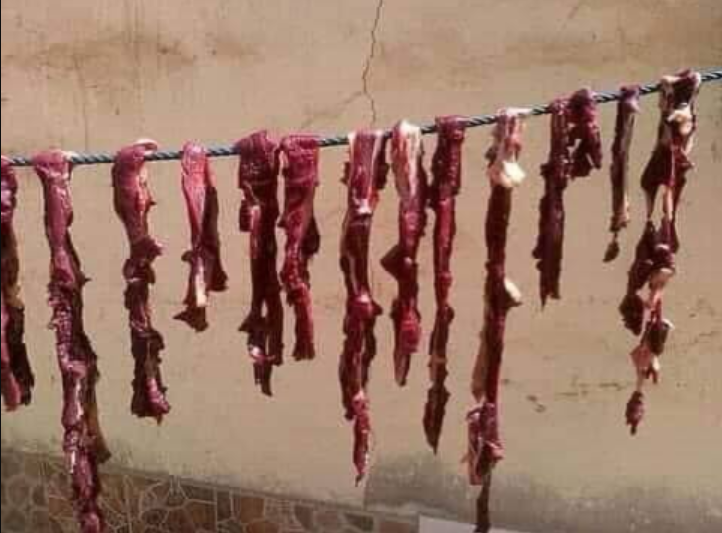
Sharmout, a traditional Sudanese dried meat, is already popular among Sudanese communities abroad where it is transported and sold through the ‘suitcase trade.’ The challenge now is turning an informal trade into a formal industry.
Across Sudan, generations have grown up with sharmout, a traditional Sudanese dried beef prepared by sun-drying strips of meat. Long before refrigeration, drying meat was a practical way of preserving food. Over time, however, sharmout became more than a preservation method. It became part of Sudanese culinary culture.
To this day, many Sudanese households prepare large quantities of sharmout before Ramadan. It remains a familiar feature of traditional meals and weekend breakfasts across much of Sudan. For Sudanese living abroad, its significance extends beyond nutrition. Sharmout carries memories of home, family, and shared traditions. Sudanese living abroad returning home after a visit to Sudan still carry a kilogram – or two – of homemade sharmout in their luggage. A small cardboard box of dried meat can supplement family meals for months. The product is also commonly sent as a gift to relatives living in the Gulf, Europe, North America, and Australia. In many cases, recipients value it precisely because it is difficult to obtain through ordinary retail channels.
Yet the informal system through which sharmout reaches Sudanese communities abroad is increasingly facing challenges. Many countries have tightened regulations on food products entering through personal luggage. Homemade products often lack the packaging, ingredient lists, nutritional information, production dates, expiry dates, and official health certifications required under modern food regulations. As Sudanese communities abroad continue to grow, these requirements are likely to become more important rather than less.
Paradoxically, these restrictions may create an opportunity. The demand already exists, but it is still supplied largely through informal family and community networks. As those channels become more restricted, the case for commercial production becomes stronger. Rather than travelling in suitcases, sharmout could be professionally processed, packaged, certified, and distributed through formal retail networks.
Hung out to dry: Sudanese ‘sharmout,’ a dried meat delicacy.
Commercial production would offer advantages beyond regulatory compliance. Unlike frozen meat, dried meat requires neither continuous refrigeration nor an extensive cold chain. It can be stored for longer periods, transported more cheaply, and shipped with lower risk of spoilage. These characteristics are particularly valuable in countries such as Sudan where energy costs are high and infrastructure is fragile due to war.
Sudan is not unique in its familiarity with dried meat traditions. Variations of dried and preserved meat have long been part of traditional cuisines in Yemen, Oman, and parts of Saudi Arabia. Dried meat products also appear in a variety of popular dishes across North Africa. Beyond the Arab world, products such as jerky in North America and biltong in Southern Africa demonstrate how traditional preservation techniques can evolve into successful commercial industries.
The experience of other countries suggests that traditional foods can sometimes find commercial success far beyond their original markets. South Africa and Namibia, for example, have transformed biltong from a local preserved meat into a recognised commercial product. In North America, jerky evolved from a traditional preservation technique into a multi-million-dollar industry. These examples do not guarantee similar success for Sudanese dried meat, but they demonstrate that traditional foods can acquire commercial value when supported by proper branding, packaging, and quality standards.
This does not mean Sudanese dried meat will become a major competitor in the global meat trade overnight. The more realistic opportunity lies in niche markets. Millions of Sudanese already living abroad are familiar with the product and actively seek it. Gulf countries, where large Sudanese communities reside, may offer a natural starting point. From there, opportunities may exist in wider halal food markets, where consumers are often willing to pay a premium for certified products that combine cultural authenticity with trusted food standards, as well as among consumers interested in traditional, high-protein foods.
The challenge is therefore not creating demand. Demand already exists among millions of Sudanese living abroad who know and seek out the product. The challenge is transforming a food that currently travels through family networks and personal luggage into one that can legally and reliably reach consumers through formal commercial channels. Unlike many export products, sharmout does not need a new market to be created; it needs an existing market to be served more effectively.
Successful export industries do not always begin with large factories or ambitious national strategies. Sometimes they begin with products people already know, value, and actively seek out. For Sudan, one such opportunity may already be crossing borders every day — packed inside travellers’ suitcases.
The question is no longer whether a market exists. The question is whether Sudan can turn an informal tradition into a formal industry before changing regulations and continued underinvestment allow the opportunity to slip away.
The post Can Sudan’s Dried Meat Delicacy Escape the Suitcase and Conquer New Markets? appeared first on African Arguments.