Clive Davis, architect of modern popular music and champion of generations of artists, dies at 94
Clive Davis — the record executive whose ear, instincts, and long-view approach to artistry helped shape the sound of popular music for more than half a century — has died. He was 94. Newsweek reported that his death was confirmed by his longtime representative Aliza Rabinoff, who said he “passed away peacefully from age-related illness, surrounded […] The post Clive Davis, architect of modern popular music and champion of generations of artists, dies at 94 appeared first on St. Louis American.
 Black News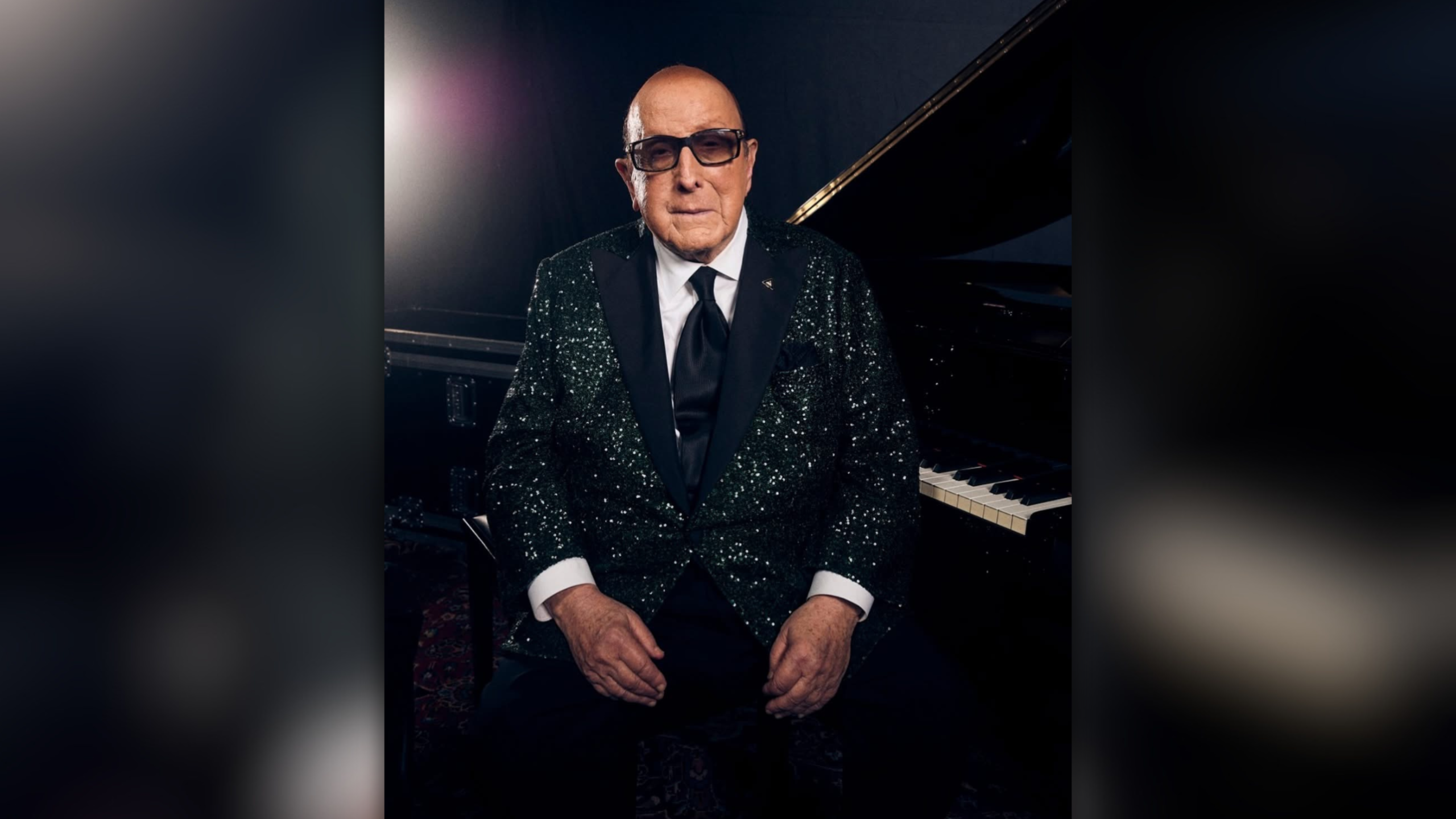

Clive Davis — the record executive whose ear, instincts, and long-view approach to artistry helped shape the sound of popular music for more than half a century — has died. He was 94.
Newsweek reported that his death was confirmed by his longtime representative Aliza Rabinoff, who said he “passed away peacefully from age-related illness, surrounded by his family and loved ones.”
Across genres, eras, and entire movements in American culture, Davis stood as one of the most influential figures behind the scenes. His fingerprints were on the careers of artists who defined the last five decades. For many, Davis was the person who heard something in them before the rest of the world did. He then insisted on giving that talent the space, structure, and support it needed to grow.
Davis’ path into music was far from predictable. Born April 4, 1932, in Brooklyn, he lost both of his parents by the age of 19. He leaned into academics as a way forward, earning scholarships to New York University and later Harvard Law School. After graduating, he joined a law firm that represented Columbia Records. That connection led him into the label’s legal department in the early 1960s — and within a few years, he was named president.
From that seat, Davis began shaping the next generation of American music. He signed Janis Joplin after seeing her perform at the Monterey Pop Festival. He championed Earth, Wind & Fire, Santana, and Billy Joel. His approach was meticulous and deeply song-focused. He believed in pairing artists with material that honored their strengths and pushed their possibilities. That philosophy that would define his work for the rest of his career.
His partnership with Whitney Houston became one of the most consequential artist-executive relationships in modern music. Davis guided her from her 1985 debut through the height of her global success, championing her voice as one of the most important of her time. He was known for selecting songs that showcased her range and emotional clarity, helping shape a catalog that remains central to American pop and R&B.
At Arista Records, which he founded in 1974, Davis continued to build careers across genres. He worked closely with Aretha Franklin, Dionne Warwick and others. He later launched J Records, where he helped introduce Alicia Keys to the world. His support for Luther Vandross, Annie Lennox, and others reflected his belief that artistry — not trends — should guide the industry’s direction.
Davis’ influence extended beyond the studio. His annual pre-Grammy gala became a signature gathering for the music industry, bringing together artists, executives, and cultural figures across generations. The event reflected both his reach and his belief that music could bridge communities and eras.
Even as the business shifted — from vinyl to CDs to streaming — Davis remained a steady presence. He mentored younger executives, advised artists navigating a changing landscape, and documented his life’s work in books and film. His 2013 documentary, Clive Davis: The Soundtrack of Our Lives, offered a rare look at the relationships and decisions that shaped his career.
His work helped define the careers of musicians whose voices became part of the cultural fabric — and whose success often hinged on his ability to hear potential early and insist on excellence.
He is survived by his children and grandchildren, along with the artists and audiences who lived with the music he helped bring into the world.
The post Clive Davis, architect of modern popular music and champion of generations of artists, dies at 94 appeared first on St. Louis American.