Colombia’s Mayors back De la Espriella’s anti-crime crackdown
Colombia’s President-elect Abelardo de la Espriella said he will sign a decree on Aug. 7, the day he is sworn into office, creating special “Urban Security Defense Blocs” in the country’s largest cities as part of a sweeping security crackdown and a broader shift away from the outgoing government’s security strategy. De la Espriella, who […]
 Black News
Colombia’s President-elect Abelardo de la Espriella said he will sign a decree on Aug. 7, the day he is sworn into office, creating special “Urban Security Defense Blocs” in the country’s largest cities as part of a sweeping security crackdown and a broader shift away from the outgoing government’s security strategy.
De la Espriella, who campaigned on restoring order through a hardline approach to crime and armed groups, said the decree would launch what he described as Colombia’s largest urban security operation, aimed at curbing extortion, robbery and homicides in the country’s biggest metropolitan areas.
“On August 7, I will sign the decree creating the Defense Block for Urban Security,” De la Espriella said in a statement published on social media. “To issue effective measures aligned with the needs of the most affected cities, I am convening the mayors of Bogotá, Medellín, Cali, Barranquilla, and Bucaramanga so that, based on their needs, we can create the largest urban security operation in Colombia. No more extortions, robberies, and homicides in our Homeland. Stand firm for the homeland!”
The president-elect said the decree will be among the first executive measures issued after he takes office, alongside steps to begin dismantling the “Total Peace” policy pursued by outgoing President Gustavo Petro, which sought negotiated settlements with armed groups operating across Colombia.
De la Espriella has repeatedly ruled out new peace negotiations with illegal armed organizations, saying his government will instead focus on restoring state control over territory and strengthening security operations.
“To the violent, I make only one offer: submission to justice with the benefits contemplated under current law,” he said previously after receiving his presidential credentials. He added that his administration would prioritize recovering territorial control and reinforcing the state’s presence in regions affected by armed groups.
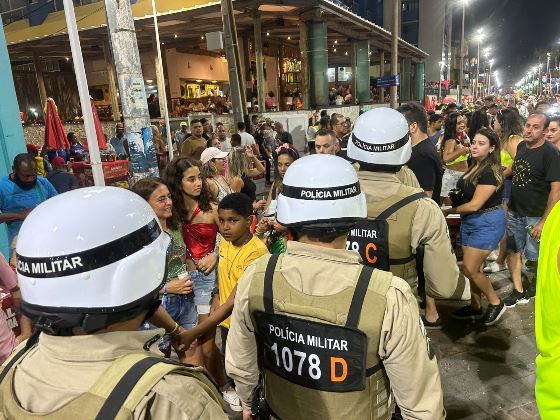
The proposed urban security blocs received swift backing from the mayors of Colombia’s largest cities, many of whom have argued for greater national government support to combat organized crime and urban violence.
Bogotá Mayor Carlos Fernando Galán said the initiative could strengthen ongoing efforts against criminal networks. “The Public Force needs more support from the national government so that we can continue striking extortion, robbery and drug trafficking. Only by weakening these structures will we recover security and reduce homicides,” Galán said on social media.
He also called for broader reforms to Colombia’s criminal justice system.
“We cannot forget another key aspect: the country needs to redefine its criminal policy,” Galán said, arguing that many suspects arrested in Bogotá have later had arrest warrants lifted or have been released.
Medellín Mayor Federico Gutiérrez welcomed the announcement while criticizing Petro’s administration. “What a difference a president who wants security for the people versus one who came to Medellín to hold rallies with criminals,” Gutiérrez wrote on X. “May our people live in peace.”
“The only ones who should be afraid are the criminals,” he added.
Barranquilla Mayor Alejandro Char said he received the proposal “with satisfaction and hope.”
“Colombia needs firm decisions on security and justice, and the leadership of the President of the Republic is fundamental to support those of us who face this challenge every day from the regions,” remarked Char as the capital of the department of Atlántico grapples with the high cases of extorsion from illegal armed groups .
Cali Mayor Alejandro Eder, whose city has faced repeated attacks blamed on dissident guerrilla factions and other armed groups, described the measure as “the right decision.”
“That is the way forward: coordination, authority and concrete actions to protect citizens,” he said. “Cali has been one of the cities that has suffered most from insecurity and terrorist attacks. That is why, since the beginning of my administration, I have requested greater capabilities for cities and joint work between the national government and local governments to confront these threats. We are ready to contribute and work together to restore peace of mind to our people.”
Cristian Portilla, Bucaramanga’s acting mayor, also pledged support for the initiative.
“I join your call, President-elect, and the cooperation with the National Government that begins on August 7,” Portilla said. “In our city we work every day for the security of our citizens, with our own resources and with the support of the Public Force. It is essential that mayors have presidential backing in the fight against criminals.”
Portilla said Bucaramanga would prepare a detailed report on the city’s security situation before the decree is signed. “I am ready to work hand in hand toward this objective. Having the support of the government fills the people of Bucaramanga with hope,” he said.
The president-elect has not yet provided details on the structure, funding or operational framework of the proposed security blocs, nor which agencies will participate. His office said the consultations with city mayors are intended to tailor the strategy to the security needs of each municipality before implementation begins.
The announcement underscores what is expected to be one of the clearest policy breaks between De la Espriella’s incoming administration and Petro’s left-wing government, with the president-elect promising a security strategy inspired by U.S. President Donald Trump and El Salvador’s President Nayib Bukele, centered on expanding military and police operations and increasing funding for Colombia’s armed forces.