Darkness, dry taps: Gambians struggle amid electricity and water crises
Businesses on the Brink In Latrikunda Sabiji, small business owner Awa Sowe watches helplessly as her livelihood slips away. Selling ice cream and juice depends on reliable refrigeration, but frequent and prolonged power cuts have spoiled her stock time and again. “I depend on electricity to keep my products fresh. Recently, I lost almost everything because the power goes off for long periods. Sometimes I don’t even know when it will come back,” she lamented. For Sowe, every outage means another blow to her income and another challenge in providing for her family. Her story mirrors the experiences of many Gambians who have taken to social media in recent weeks to express frustration over worsening electricity shortages. Some residents report power cuts lasting up to 48 hours, while others complain of having neither electricity nor water for extended periods. In Jambur, tailor Ebrima Manneh described how the crisis struck during one of the busiest times of the year, ahead of the Tobaski feast. “Nearly half of my clients could not get their clothes before Tobaski. It was heartbreaking because they trusted me and I depended on that income,” he explained. Manneh often resorts to using a generator, but the rising cost of fuel has made this option increasingly unsustainable. “We are suffering from unstable electricity and expensive fuel at the same time. A small country like The Gambia should not be facing these challenges,” he said. For barbers like Yusupha Jatta, the outages mean empty chairs and dwindling earnings. “Whether customers come or not, I still have to pay rent. These constant outages are hurting my income and making it difficult to support my family,” he said. Students in the dark The crisis is not only crippling businesses but also undermining education. Mustapha Gibba, a final year student at the University of The Gambia, said the ongoing load shedding has severely disrupted his exam preparation. “Most of my lecture materials are stored on my laptop and phone. When there is no electricity, I cannot charge them or access important resources,” he explained. The outages have reduced his study time and heightened his anxiety during one of the most important periods of his academic life. “The uncertainty is stressful. You don’t know when the electricity will return. Sometimes I stay awake worrying about exams and unfinished coursework,” he said. Gibba added that the outages have also affected his health and wellbeing. Without electricity, he often studies under poor lighting while battling heat and mosquitoes. To cope, he purchases candles and mosquito coils, increasing his already limited expenses. “Using candles creates a fire risk, while mosquito coils often cause headaches and discomfort. But without them, it becomes almost impossible to study or sleep,” he said. While electricity shortages dominate public discussions, many residents say the ongoing water crisis has further compounded their suffering. In Bundung, resident Marima Bah said her family has been struggling to access clean water for several days. “Sometimes we wait the whole day and nothing comes from the tap. We are forced to fetch water from distant places or buy it, which is becoming expensive for many families,” she bewailed. Bah explained that women and children often bear the burden of searching for water, sometimes waking up in the middle of the night whenever water briefly becomes available. “It is very frustrating when there is no water to cook, wash clothes, clean the house or even take a bath. At times we are dealing with both electricity and water shortages simultaneously, making life extremely difficult,” she said. She called on the authorities to urgently address the recurring shortages. “People are suffering. Water is life, and without it everything becomes difficult. We need a lasting solution,” Bah appealed. Across communities, residents share a common concern: that sustainable development cannot be achieved without reliable electricity and water services. As businesses falter, students fall behind, and families endure growing hardships, calls are mounting for urgent interventions to restore confidence in the country’s essential services.
 Black News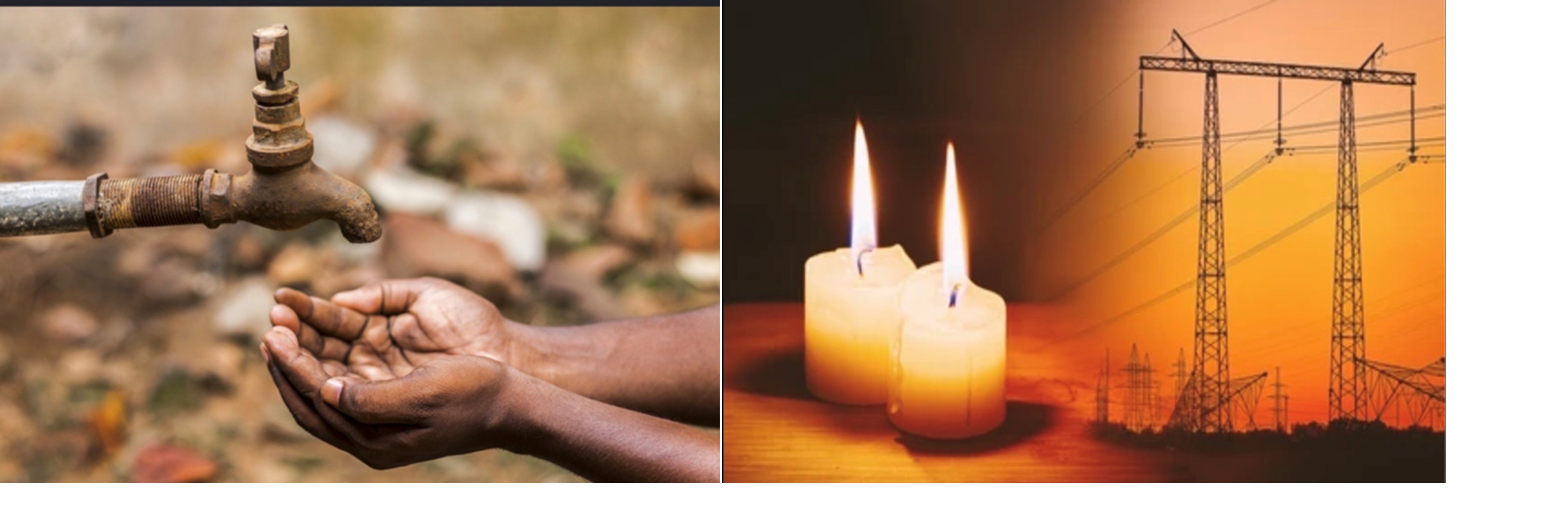
Businesses on the Brink
In Latrikunda Sabiji, small business owner Awa Sowe watches helplessly as her livelihood slips away. Selling ice cream and juice depends on reliable refrigeration, but frequent and prolonged power cuts have spoiled her stock time and again.
“I depend on electricity to keep my products fresh. Recently, I lost almost everything because the power goes off for long periods. Sometimes I don’t even know when it will come back,” she lamented.
For Sowe, every outage means another blow to her income and another challenge in providing for her family. Her story mirrors the experiences of many Gambians who have taken to social media in recent weeks to express frustration over worsening electricity shortages. Some residents report power cuts lasting up to 48 hours, while others complain of having neither electricity nor water for extended periods.
In Jambur, tailor Ebrima Manneh described how the crisis struck during one of the busiest times of the year, ahead of the Tobaski feast.
“Nearly half of my clients could not get their clothes before Tobaski. It was heartbreaking because they trusted me and I depended on that income,” he explained.
Manneh often resorts to using a generator, but the rising cost of fuel has made this option increasingly unsustainable. “We are suffering from unstable electricity and expensive fuel at the same time. A small country like The Gambia should not be facing these challenges,” he said.
For barbers like Yusupha Jatta, the outages mean empty chairs and dwindling earnings. “Whether customers come or not, I still have to pay rent. These constant outages are hurting my income and making it difficult to support my family,” he said.
Students in the dark
The crisis is not only crippling businesses but also undermining education. Mustapha Gibba, a final year student at the University of The Gambia, said the ongoing load shedding has severely disrupted his exam preparation.
“Most of my lecture materials are stored on my laptop and phone. When there is no electricity, I cannot charge them or access important resources,” he explained.
The outages have reduced his study time and heightened his anxiety during one of the most important periods of his academic life. “The uncertainty is stressful. You don’t know when the electricity will return. Sometimes I stay awake worrying about exams and unfinished coursework,” he said.
Gibba added that the outages have also affected his health and wellbeing. Without electricity, he often studies under poor lighting while battling heat and mosquitoes. To cope, he purchases candles and mosquito coils, increasing his already limited expenses. “Using candles creates a fire risk, while mosquito coils often cause headaches and discomfort. But without them, it becomes almost impossible to study or sleep,” he said.
While electricity shortages dominate public discussions, many residents say the ongoing water crisis has further compounded their suffering.
In Bundung, resident Marima Bah said her family has been struggling to access clean water for several days. “Sometimes we wait the whole day and nothing comes from the tap. We are forced to fetch water from distant places or buy it, which is becoming expensive for many families,” she bewailed.
Bah explained that women and children often bear the burden of searching for water, sometimes waking up in the middle of the night whenever water briefly becomes available. “It is very frustrating when there is no water to cook, wash clothes, clean the house or even take a bath. At times we are dealing with both electricity and water shortages simultaneously, making life extremely difficult,” she said.
She called on the authorities to urgently address the recurring shortages. “People are suffering. Water is life, and without it everything becomes difficult. We need a lasting solution,” Bah appealed.
Across communities, residents share a common concern: that sustainable development cannot be achieved without reliable electricity and water services. As businesses falter, students fall behind, and families endure growing hardships, calls are mounting for urgent interventions to restore confidence in the country’s essential services.