DRC Halts Gold and Coltan Mining in South Kivu Amid Crackdown on Conflict Minerals
The DRC has imposed a three-month suspension on gold and coltan mining operations in parts of the eastern province of South Kivu, as authorities intensify efforts to curb illicit mineral trafficking and worsening insecurity linked to armed groups. The ban affects both industrial and artisanal mining activities in the mineral-rich territories of Mwenga and Shabunda [...]
 Black News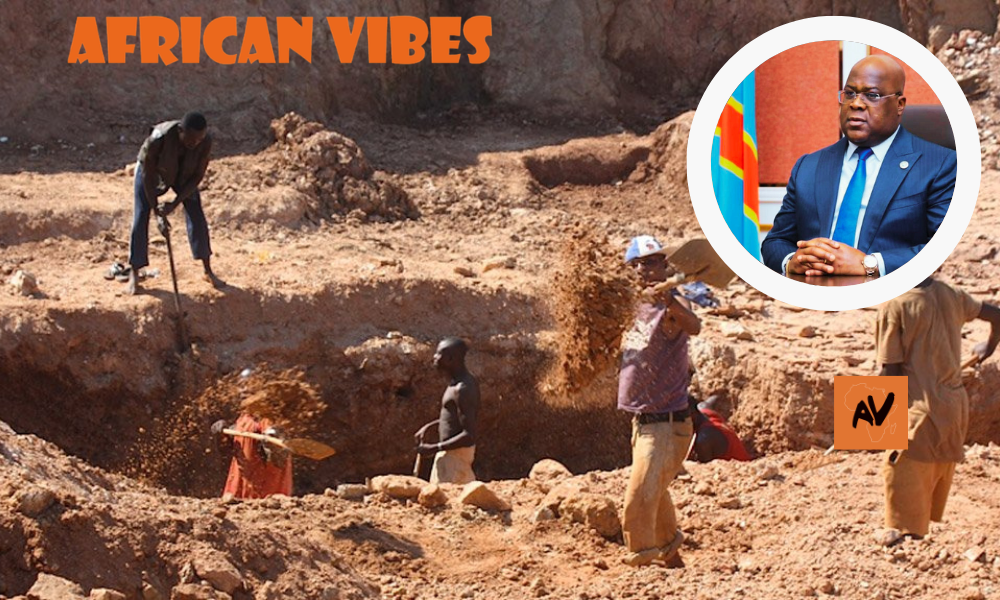

The DRC has imposed a three-month suspension on gold and coltan mining operations in parts of the eastern province of South Kivu, as authorities intensify efforts to curb illicit mineral trafficking and worsening insecurity linked to armed groups.
The ban affects both industrial and artisanal mining activities in the mineral-rich territories of Mwenga and Shabunda — areas long associated with conflict, smuggling networks, and illegal exploitation of natural resources.
Officials say the emergency suspension is intended to restore state control over mining zones and disrupt the flow of “conflict minerals” that have helped finance violence in eastern Congo for decades.
Government Targets Illegal Mineral Networks
Congolese authorities announced that a special inspection mission will be deployed during the suspension period to investigate mining operations, identify illegal actors, and assess compliance with mining regulations.
The government says the measure is aimed at addressing two urgent challenges:
- Persistent insecurity caused by armed groups and criminal networks operating near mining sites
- Illegal trade routes used to smuggle gold and coltan into regional and international markets
Gold and coltan are among Congo’s most valuable exports. Coltan, a mineral essential in the production of smartphones, aerospace equipment, and electronic devices, remains in high demand globally.
Eastern Congo is estimated to hold some of the world’s largest reserves of strategic minerals, but control over these resources has repeatedly fuelled violence and instability.

Thousands of Artisanal Miners Face Economic Uncertainty
While officials describe the suspension as necessary for security and reform, the decision is expected to have immediate economic consequences for local communities.
Artisanal mining supports hundreds of thousands of people across South Kivu, with many families relying entirely on daily income from informal gold and coltan extraction.
Local observers warn that the temporary shutdown could deepen poverty in already fragile communities unless alternative support measures are introduced.
Human rights organisations have long argued that unregulated mining in eastern Congo contributes to exploitation, environmental destruction, child labour, and the financing of armed groups.
ALSO READ: Zimbabwe’s Mining Sector Set to Create 100,000 Jobs in Five Years
A Long History of Conflict Minerals
Eastern Congo’s mining sector has remained at the centre of international concern since the Congo wars of the late 1990s and early 2000s.
Armed factions, militias, and criminal networks have repeatedly fought for control of mineral-rich territories, using profits from mining operations to fund violence.
Although international certification systems and mineral traceability programmes have been introduced over the years, enforcement has remained inconsistent in remote regions such as Mwenga and Shabunda.
The latest suspension signals a tougher stance from Kinshasa as global pressure grows on governments and technology companies to ensure supply chains are free from conflict-linked minerals.
Limited Global Supply Impact Expected
Analysts say the three-month shutdown is unlikely to cause major disruption to global supply chains because mining activities continue elsewhere in the country.
However, the move is being closely watched by international electronics manufacturers, jewellery markets, and investors concerned about ethical sourcing standards.
The DRC remains the world’s leading producer of cobalt and one of Africa’s most strategically important mining economies.
ALSO READ: Senegal Launches First Satellite: A Milestone in African Space Exploration
Questions Over What Comes Next
This is not the first time Congolese authorities have suspended mining activities in conflict-affected regions. Similar measures introduced in the past struggled with weak enforcement and corruption.
The success of the latest crackdown will likely depend on whether authorities can:
- Strengthen security in mining zones
- Disrupt smuggling routes
- Formalise artisanal mining operations
- Improve oversight and transparency in mineral exports
For many residents in eastern Congo, the bigger question remains whether the country’s vast mineral wealth can eventually become a source of stability and development rather than conflict.
The suspension is expected to remain in force for three months while inspections and investigations continue across South Kivu’s mining sector.