Earth Day in a time of war: Nuclear risk can no longer be ignored
Earth Day should remind us that the planet is protected by political courage, international accountability and the choices states make about the systems they build and defend
 Black News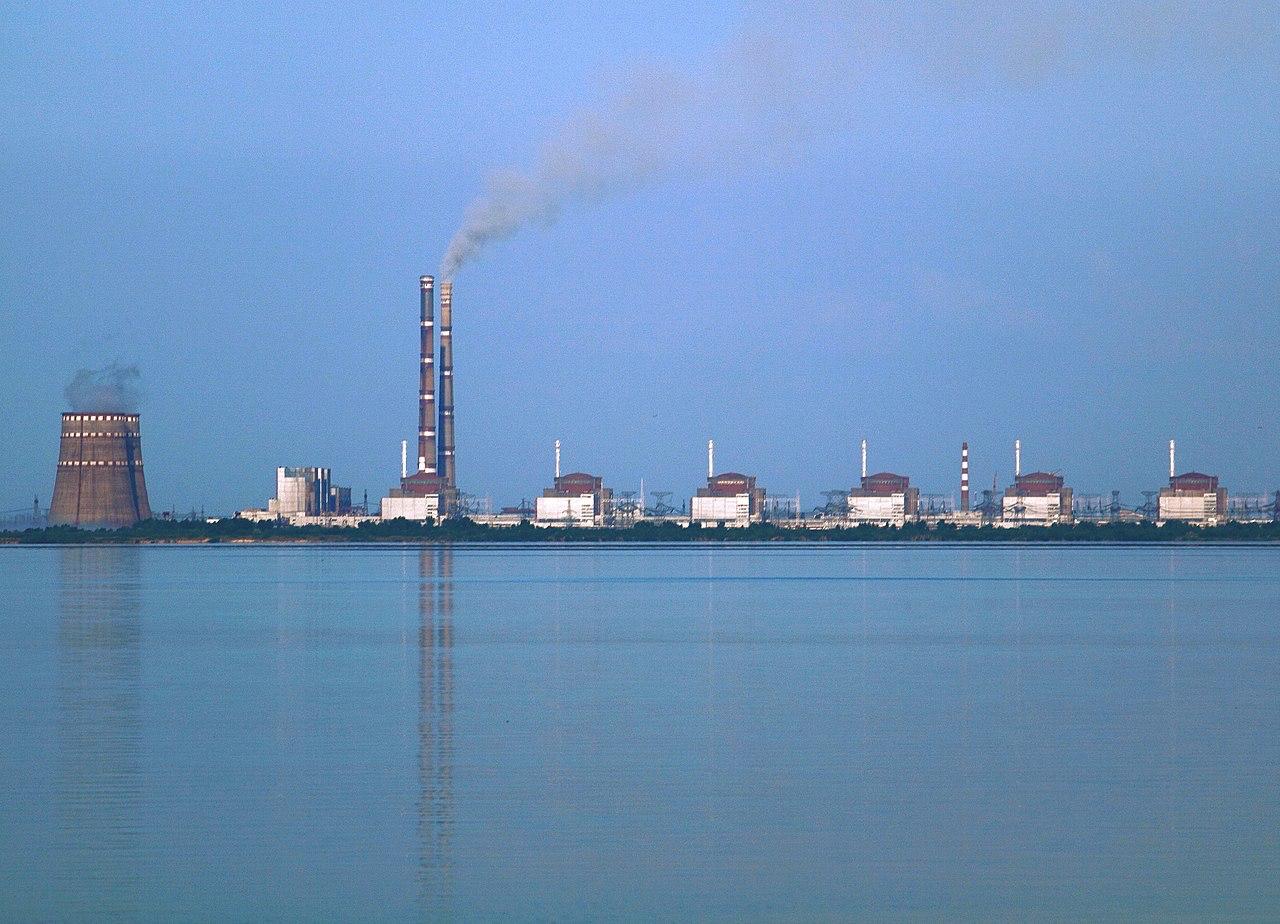


Earth Day was born of two ideals: respect for the planet and a belief in peace. Since the 1970s, it has grown into a global moment of reflection on humanity’s relationship with the natural world. But in 2026, Earth Day arrives under a darker cloud. It is no longer only a celebration of environmental consciousness. It is also a warning.
The Bulletin of the Atomic Scientists has set the Doomsday Clock at 85 seconds to midnight — the closest it has been to catastrophe. This reflects mounting concern over nuclear weapons, the absence of clear global rules around emerging technologies such as artificial intelligence and the failure of multilateral systems to respond decisively to biological and geopolitical threats. Armed conflicts are intensifying and becoming more entangled with questions of energy security, infrastructure and state power.
In South Africa, this year’s Earth Day will also be marked by civic action. A coalition of non-governmental organisations — including the Southern African Faith Communities’ Environment Institute, Fossil Free SA, Project 90 by 2030, The Green Connection, African Climate Alliance, South Durban Community Environmental Alliance, Extinction Rebellion, Earthlife Africa, Green Anglicans, Masifundise and SCAT — plans to submit a joint memorandum calling for accountability and people-centred renewable energy solutions.
Their intervention speaks to a broader global reality. Energy is no longer only an economic issue or a development question. It is at the centre of geopolitical instability. Nowhere is this more evident than
in the growing vulnerability of nuclear power infrastructure during armed conflict.
In March 2022, Russia occupied the Zaporizhzhia nuclear power plant in Ukraine, one of the 10 largest nuclear power plants in the world. Since then, the facility has existed in conditions that should alarm the international community. It has been exposed to drone attacks, disruptions to external power supply, threats to water access and the wider dangers of warfare. The occupation has also placed pressure on the people operating it, with reports of intimidation, fear, coercion and uncertainty for staff and their families.
These raise the risk of a nuclear accident in circumstances where even basic principles of safety and security cannot be guaranteed. The International Atomic Energy Agency limitations have been exposed by the war. In Zaporizhzhia, monitors have not had unfettered access to all parts of the plant. Nuclear facilities in Ukraine face military threats, yet there is no effective international enforcement mechanism capable of preventing attacks on them.
The failure sends a dangerous signal to the world: nuclear infrastructure can become part of the battlefield without meaningful accountability. Once the threshold is crossed, the risk becomes a global governance problem.
For Africa, this matters. South Africa’s Koeberg nuclear power plant, located about 40km outside Cape Town, remains the continent’s only operational nuclear power station. Egypt is advancing construction of its own nuclear facility. The developments make the African nuclear conversation urgent.
The question is no longer whether nuclear energy can support development or energy security. It is whether the international system has done enough to regulate and protect nuclear infrastructure in a world shaped by war, fragmentation and rising geopolitical volatility.
The protection of life on Earth also requires confronting the risks created when fragile international norms meet military power. A world in which nuclear facilities can be threatened during conflict is a world in which environmental stewardship, human security and peace can no longer be treated as separate conversations.
Earth Day should remind us that the planet is protected by political courage, international accountability and the choices states make about the systems they build and defend.
As Africa weighs its energy future, it must do so with clear eyes. The continent should not be asked to choose between development and safety or between energy ambition and environmental responsibility.
On this Earth Day, the more pressing question is whether the world is prepared to learn from present dangers before it stumbles into a preventable disaster.
Dzvinka Kachur is a research fellow at the Centre for Sustainability Transitions, Stellenbosch University.