East African importers on standby as Maersk rolls out steep $2,000 container surcharges on critical China trade routes
Importers across East Africa are bracing for an economic hurdle as global maritime carriers roll out steep price hikes on cargo arriving from China and Hong Kong.
 Black News
Importers across East Africa are bracing for an economic hurdle as global maritime carriers roll out steep price hikes on cargo arriving from China and Hong Kong.
- Maersk has announced substantial increases in Peak Season Surcharges for shipments from China and Hong Kong to East Africa starting June 15, 2026.
- The new surcharge will be $1,000 for a 20-foot container and $2,000 for a 40-foot container bound for Kenya or Tanzania.
- China is the primary trading partner for East Africa, supplying most consumer and industrial goods to the region.
- Local traders, unable to absorb the added costs, are expected to pass these increases onto consumers, raising retail prices.
Danish shipping titan A.P. Moller-Maersk, which handles a dominant share of sea freight entering the region, officially revised its Peak Season Surcharge (PSS) for routes connecting China and Hong Kong to East Africa.
According to Maersk’s official advisory, the new rates take effect on June 15, 2026, and target non-spot container bookings bound for critical maritime gateways, including Kenya’s Port of Mombasa and Tanzania's Port of Dar es Salaam.
Under the new tariff structure, the surcharge for a 20-foot container bound for Kenya or Tanzania will tick upward to $1,000 (approx. Sh130,000).
The most severe blow lands on larger operations; the surcharge for a 40-foot container heading to Kenya will skyrocket to $2,000 (approx. Sh260,000).
Effect on Local Trade and Retail
Because China is East Africa’s dominant trading partner, spikes in ocean freight rates heavily dictate local market realities.
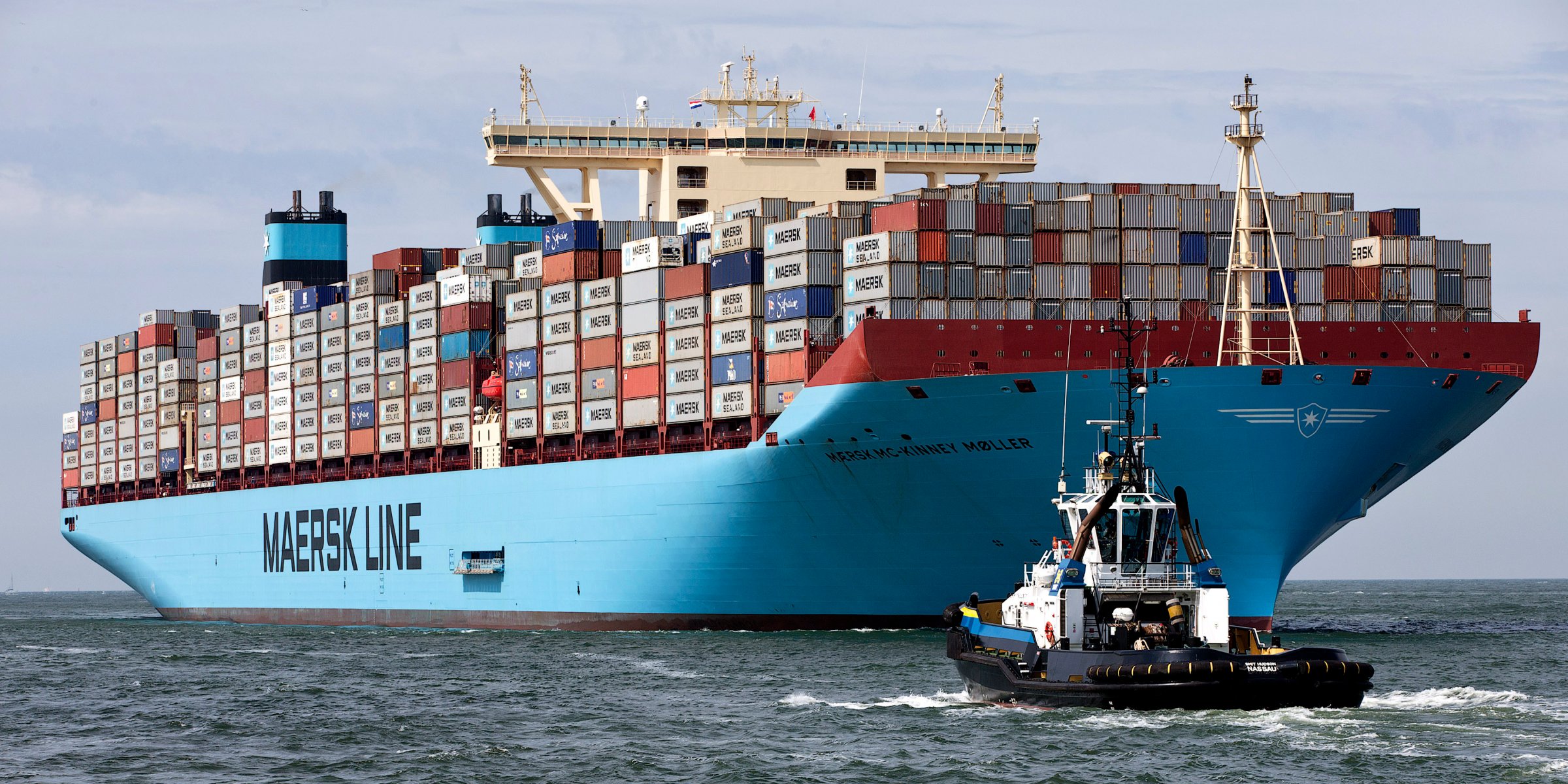
China supplies the lion's share of consumer merchandise, household items, electronics, and clothing entering the regional market.
Logistics and forwarding experts warn that local merchants lack the financial padding to absorb these sudden multi-thousand-dollar shocks. Consequently, these expenses will likely be passed directly down the supply chain, triggering a sharp rise in shelf prices for everyday consumers.
Beyond everyday retail, regional development projects face immediate friction. Major infrastructural works rely heavily on imported Chinese structural steel, heavy machinery, and raw industrial materials.
Government-led infrastructure plans, such as regional road networks and affordable housing developments, function on incredibly tight capital allocations.
Squeezed by exploding container freight prices, project contractors are warning of inevitable development delays or widening deficits that will place an unexpected strain on national budgets
Victor Awogbemila