Egypt, Cyprus sign gas deal as Cairo eyes energy hub role amid global tensions
Egypt and Cyprus have signed a framework agreement to expand cooperation in natural gas, as both countries move to strengthen the Eastern Mediterranean’s role in global energy supply.
 Black News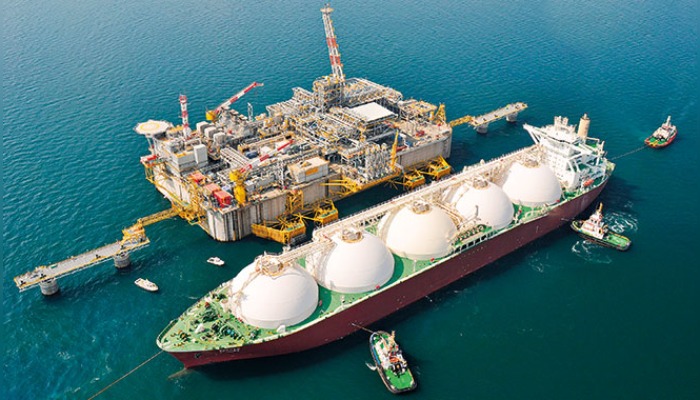

Egypt and Cyprus have signed a framework agreement to expand cooperation in natural gas, as both countries move to strengthen the Eastern Mediterranean’s role in global energy supply.
- Egypt and Cyprus signed a new gas cooperation deal at EGYPES 2026 in Cairo.
- The agreement will support development of Cyprus’s offshore gas fields.
- Gas could be exported to Egypt for processing and shipment to Europe.
- The move comes as Egypt faces rising energy costs and regional supply disruptions.
The non-binding deal was announced on Monday at the Egypt Energy Show (EGYPES 2026) in Cairo, attended by President Abdel Fattah el-Sisi and Nikos Christodoulides.
It will serve as a basis for negotiations on developing and commercialising gas from Cyprus’s offshore fields, including Kronos and Aphrodite. Cypriot officials said production from the Kronos field could begin between 2027 and 2028.
The agreement also allows both sides to explore the sale of Cypriot gas to Egypt or its state-owned companies, strengthening Cairo’s position as a regional energy hub.
The deal builds on earlier agreements signed in 2025 that enable Cyprus to send gas to Egypt for liquefaction and re-export, particularly to Europe, which has been seeking alternative supplies since reducing reliance on Russian gas.
Egypt, which has LNG export facilities but rising domestic demand, is increasingly relying on imported fuel. That exposure has left it vulnerable to global price swings and disruptions linked to tensions involving Iran, which have affected energy trade routes across the Middle East.
Rising import costs have already forced the government to increase fuel and transport prices and introduce energy-saving measures, including shorter business hours.
Against this backdrop, closer gas cooperation with Cyprus could help Egypt secure supply, stabilise its energy system and reinforce its ambition to act as a key bridge between regional producers and global markets.