Ethnicity attacks won’t stop my ambition, says Bensouda
Speaking on the Dialectic Space Podcast, Mr Bensouda said criticism of his identity is not new and has followed him throughout his political career, including during his successful campaign for the leadership of the Kanifing Municipal Council. Despite the repeated attacks, he said they had never prevented him from earning the confidence of voters and would not distract him from his political goals. Mr Bensouda argued that political competition should focus on who has the best vision for the country instead of attempts to discredit candidates based on their ethnicity or family background. Responding to claims challenging his Gambian identity, he strongly defended his heritage, saying his family’s roots in the country are well established. “If we did a test on Gambian lineage and we dared each other, if somebody is more Gambian than the other, then the loser will be exiled,” he reasoned, saying: “I think I will defeat 99 percent of people who make those claims.” He added that he would not spend his time responding to individuals who repeatedly criticise him, saying his attention remains on engaging with Gambians and developing policies that address the country’s challenges. According to him, his focus is on presenting solutions rather than becoming involved in personal disputes with critics. During the interview, Mr Bensouda also described some of his persistent critics as people with “questionable mental health”, saying he had no interest in engaging in personal attacks. “I think I’ve done my own diagnosis that there are a lot of mental health patients in Gambia’s political circle, and I can’t engage with that,” he said. UNITE Party leader maintained that public office should not be decided by a person’s ancestry but by their conduct, character and ability to serve citizens. He said voters should assess political leaders based on the policies they present and the leadership they offer, rather than on attacks directed at their identity or family background, arguing that meaningful political debate should always place the country’s interests ahead of personal or ethnic differences.
 Black News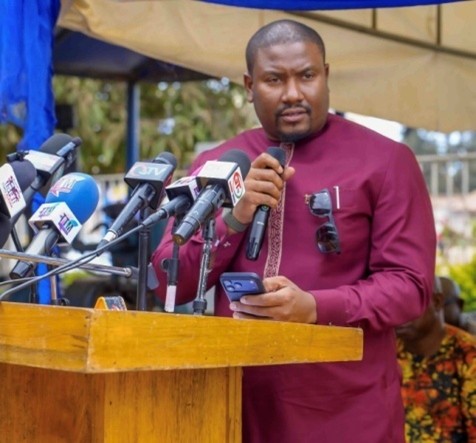
Speaking on the Dialectic Space Podcast, Mr Bensouda said criticism of his identity is not new and has followed him throughout his political career, including during his successful campaign for the leadership of the Kanifing Municipal Council.
Despite the repeated attacks, he said they had never prevented him from earning the confidence of voters and would not distract him from his political goals.
Mr Bensouda argued that political competition should focus on who has the best vision for the country instead of attempts to discredit candidates based on their ethnicity or family background.
Responding to claims challenging his Gambian identity, he strongly defended his heritage, saying his family’s roots in the country are well established.
“If we did a test on Gambian lineage and we dared each other, if somebody is more Gambian than the other, then the loser will be exiled,” he reasoned, saying: “I think I will defeat 99 percent of people who make those claims.”
He added that he would not spend his time responding to individuals who repeatedly criticise him, saying his attention remains on engaging with Gambians and developing policies that address the country’s challenges.
According to him, his focus is on presenting solutions rather than becoming involved in personal disputes with critics.
During the interview, Mr Bensouda also described some of his persistent critics as people with “questionable mental health”, saying he had no interest in engaging in personal attacks.
“I think I’ve done my own diagnosis that there are a lot of mental health patients in Gambia’s political circle, and I can’t engage with that,” he said.
UNITE Party leader maintained that public office should not be decided by a person’s ancestry but by their conduct, character and ability to serve citizens.
He said voters should assess political leaders based on the policies they present and the leadership they offer, rather than on attacks directed at their identity or family background, arguing that meaningful political debate should always place the country’s interests ahead of personal or ethnic differences.