EU says Malawi’s experiences to shape aid priorities
European Union (EU) Head of Delegation Daniel Aristi-Gaztelumendi has said Malawi’s development experiences will help shape the bloc’s next long-term development cooperation strategy for the 2028-2036 funding framework. The envoy, speaking in Lilongwe yesterday after a high-level field assessment by the European Council’s Working Party on Development Cooperation and International Partnerships (CODEV-PI), said the mission … The post EU says Malawi’s experiences to shape aid priorities appeared first on Nation Online.
 Black News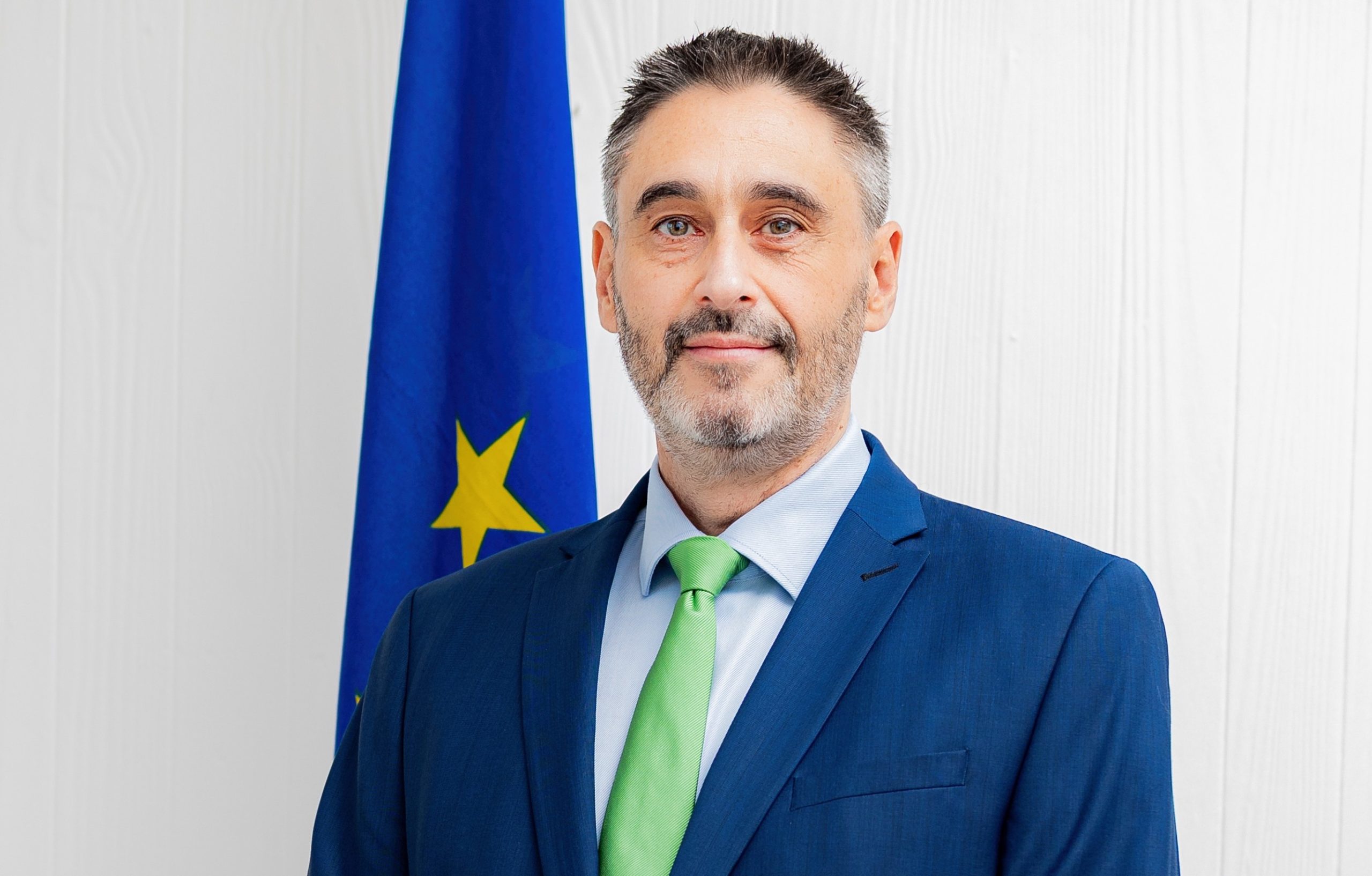
European Union (EU) Head of Delegation Daniel Aristi-Gaztelumendi has said Malawi’s development experiences will help shape the bloc’s next long-term development cooperation strategy for the 2028-2036 funding framework.
The envoy, speaking in Lilongwe yesterday after a high-level field assessment by the European Council’s Working Party on Development Cooperation and International Partnerships (CODEV-PI), said the mission would enable policymakers in Brussels to make informed decisions on future development financing by drawing lessons from Malawi’s realities.
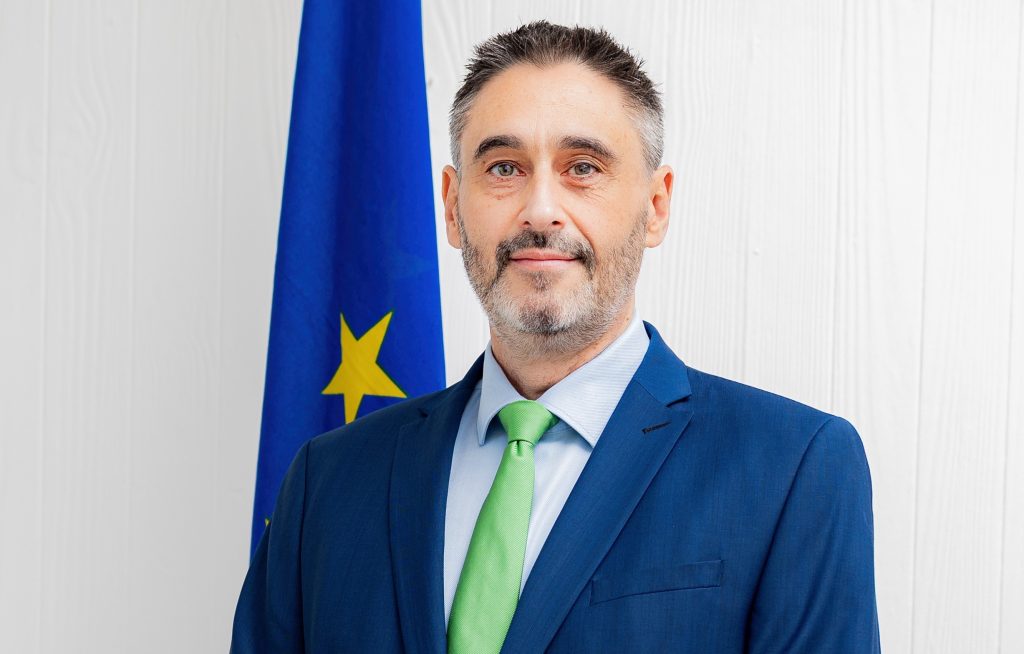
Said Aristi-Gaztelumendi: “We have 27 member States in the EU that sit in Brussels [Belgium] in a working group that develops the development cooperation policy of the European Union as a whole all over the world. The delegation’s experience would help shape discussions in Brussels on how EU development cooperation should be designed and implemented.
“It is important when they leave headquarters and travel, in this case to Malawi, to see how our projects and instruments work, when they talk to the beneficiaries, the government and to NGOs to understand how we do things and how can we do things better.”
He said the EU is preparing its next Multi-annual Financial Framework covering 2028 to 2036, which will determine funding priorities for the bloc’s activities within Europe and in partner countries.
A delegation of at least 30 experts visited Malawi from July 13 to 16 under Ireland’s presidency of the Council of the EU, touring projects and engaging communities involved in agriculture, health, education, energy, social protection and innovation.
Malawi’s current EU bilateral development cooperation envelope stands at €497 million (about K1 trillion) while the wider Team Europe portfolio, which includes EU institutions, member States and European Investment Bank (EIB), is valued at about €1.5 billion (about K3.1 trillion).
The EU has also approved a €143 million (about K295.7 billion) package for Malawi focusing on agricultural value chains, electricity generation and transmission of secondary education, vocational education and training, and social protection.
Aristi-Gaztelumendi said a major component of the bloc’s support is the Mpatamanga hydropower project, its flagship investment in Malawi’s energy sector.
The project, valued at between €500 million and €600 million, brings together support from EU institutions, member States, EIB, KfWof Germany and private sector companies.
In her remarks, Irish Ambassador Kate Brady said the visit was also intended to ensure Malawi’s development realities are well understood during EU policy discussions at a time global development assistance is undergoing significant change.
The EU’s partnership with Malawi is aligned with Malawi’s long-term development strategy, Malawi 2063, and focuses on economic transformation, human capital development, climate resilience, governance and social protection.
The 350MW Mpatamanga Hydropower Storage Project is being developed under a public-private partnership (PPP) model, with a special purpose vehicle, Mpatamanga Hydropower Limited, spearheading the $1 billion project.
Key shareholders and strategic partners include French energy company EDF International with a 27.5 percent stake, Scatec ASA & Venture Partners comprising SN Malawi BV, British International Investment (BII) and Norfund collectively holding 27.5 percent.
The Malawi Government holds 30 percent through Electricity Generation Company while the World Bank’s private sector financing arm, International Finance Corporation, holds a 15 percent stake.
The post EU says Malawi’s experiences to shape aid priorities appeared first on Nation Online.