From Kamwokya streets to a dog empire: The rise of ‘Uncle Dogs’
In Buwate, a fast-growing Kampala suburb, Sharif Ssemwanga is better known as “Uncle Dogs”, a nickname that has become synonymous with one of the city’s growing dog breeding and training businesses. The name, coined by friends and customers, reflects a journey that transformed a childhood fascination with dogs into a thriving enterprise centred on breeding, […] The post From Kamwokya streets to a dog empire: The rise of ‘Uncle Dogs’ appeared first on The Observer Media Ltd.
 Black News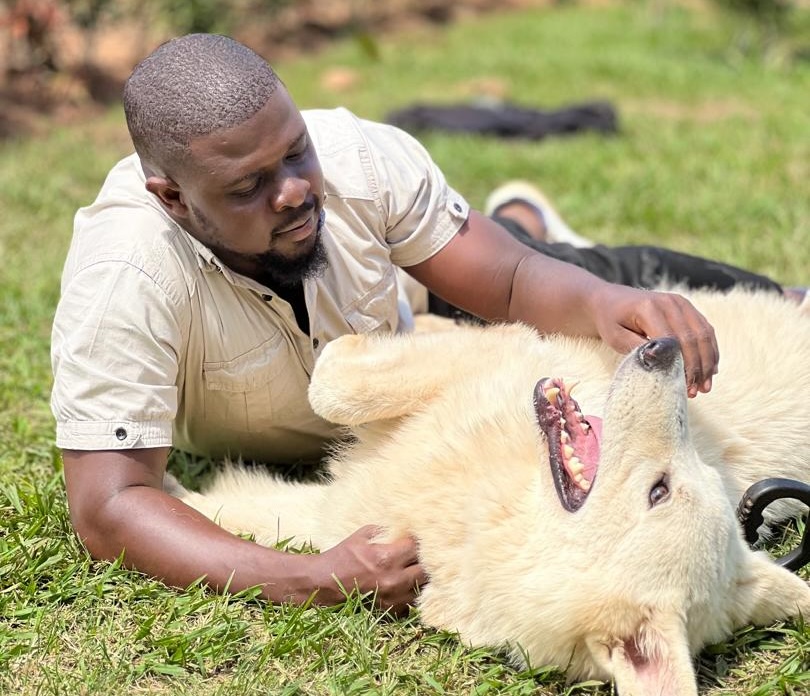

In Buwate, a fast-growing Kampala suburb, Sharif Ssemwanga is better known as “Uncle Dogs”, a nickname that has become synonymous with one of the city’s growing dog breeding and training businesses.
The name, coined by friends and customers, reflects a journey that transformed a childhood fascination with dogs into a thriving enterprise centred on breeding, training, grooming and canine care.
Ssemwanga traces his passion to his upbringing in Kamwokya, along Mawanda Road, where his family home stood behind the Kampala Animal Clinic. Living next to the facility gave him daily interaction with dogs, nurturing a lifelong bond with the animals.
“I was born in a place surrounded by dogs. Our home was behind the animal clinic and interacting with them became a hobby. From that time, I developed a strong relationship with dogs,” he recalls.
His hobby evolved into a business in 2009 after a British expatriate living on Kanjokya Street gifted him a German Shepherd. He later sold the dog to musician Robert Kyagulanyi Ssentamu, popularly known as Bobi Wine, in a deal arranged through his aunt.
The sale earned him Shs 800,000, half of which he gave to his aunt, but more importantly, it convinced him that dog breeding could become a profitable venture. He subsequently acquired more dogs from Kifumbira in Kamwokya, selling them to clients including businessman Innocent Muhoozi and other buyers.
At times, he entrusted some of the animals to friends because of the high cost of feeding them. As demand grew, Ssemwanga expanded into dog grooming and cleaning services, charging about Shs 10,000 per dog, an income he says was substantial at the time.
His work soon earned him a clientele that included football coach PK Bbosa, the Kasiwukira family, businessman Godfrey Kirumira and entrepreneur Sudhir Ruparelia, helping establish his reputation among Kampala’s dog enthusiasts.

A major turning point came when he partnered with Martin Ssebunya, who began importing dogs and entrusted their care to him. As their kennel expanded, the pair started organising activities such as dog walks and, in 2022, launched an annual dog festival.
The events have since attracted dog lovers from across Kampala while creating a platform for breeders to showcase and market their animals. At the peak of his operations, Ssemwanga says he cared for as many as 80 dogs, relying on support from friends who supplied food, including rice and meat, to help sustain the growing kennel.
The cost of breeding
Despite the business opportunities, Ssemwanga says dog breeding requires significant investment, particularly in feeding and veterinary care.
He emphasises vaccination against diseases such as rabies and parvovirus, saying many breeders lose puppies because they neglect routine immunisation.
“For any breeder to succeed, vaccination is key. It can start from about Shs 50,000 per puppy depending on your relationship with the veterinary doctor,” he says.
According to him, puppies should begin vaccination at about five weeks of age to improve their chances of survival.
Although he has sustained numerous dog bites over the years, leaving visible scars on his body, Ssemwanga says he has avoided serious health complications because his dogs are routinely vaccinated.
Expanding the venture
Ssemwanga now operates a breeding farm in Kalagala, Luwero district, where he continues to expand his business. He is also developing a four-acre canine facility that he describes as a future “zoo for dogs”, intended to serve as a centre for breeding, training and showcasing various dog breeds.
According to him, a dog’s value becomes evident from around six months of age, although raising puppies requires patience because they can be as destructive as young children.
Popular breeds and market trends
Ssemwanga says the German Shepherd remains Uganda’s most sought-after breed because of its loyalty, obedience and effectiveness as a guard dog. A puppy typically sells for about Shs 750,000.
He also points to the growing popularity of the Belgian Malinois, particularly among security agencies because of its intelligence and discipline, while Rottweilers continue to attract buyers seeking powerful guard dogs, provided they are properly trained and socialised.
For families with children, he recommends smaller and more sociable breeds, although premium breeds such as Golden Retrievers can fetch as much as Shs 3 million per puppy.
He also notes increasing interest in rare breeds such as the Tibetan Mastiff and the Kangal, prized for their protective instincts but less common because of their high cost and demanding temperament.
For first-time owners, however, Ssemwanga advises starting with a German Shepherd, describing it as easier to manage while offering both companionship and security.
As urbanisation accelerates and concerns over home security grow, he believes demand for well-trained dogs in Uganda will continue to rise.
The post From Kamwokya streets to a dog empire: The rise of ‘Uncle Dogs’ appeared first on The Observer Media Ltd.