From Rigged Prop Bets To Mafia Poker Rings: Every NBA Player & Coach Caught In Gambling Scandals
NBA gambling scandals escalate with new charges against players, coaches, and referees, raising integrity concerns in the betting era.
 Black News

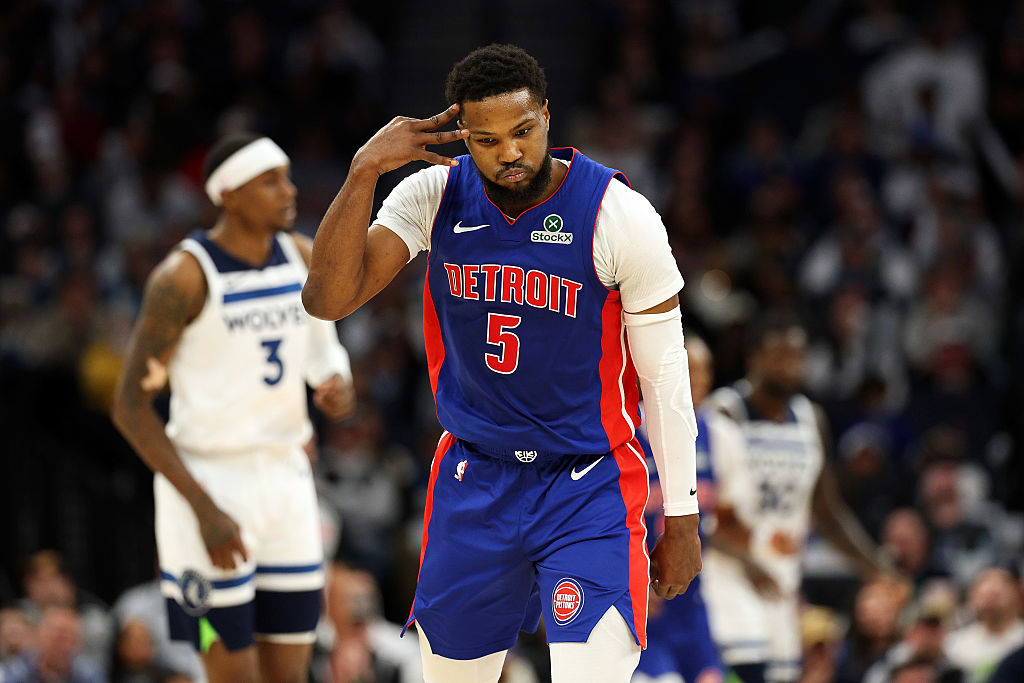
The NBA gambling scandals problem just got another major name attached to it. Former NBA guard Malik Beasley has been indicted on federal gambling-related charges tied to an alleged sports betting scheme involving NBA games and prop bets. According to federal prosecutors, Beasley is accused of manipulating his own performance while playing for the Milwaukee Bucks during the 2023-2034 season so others could profit off wagers connected to his state. Former NBA big man Ed Davis was also indicted in the case, with prosecutors alleging Davis helped coordinate bets and that Beasley’s alleged actions were tied, in part, to gambling debts. Beasley’s attorney has maintained his innocence, saying an indictment is not proof of guilt.
The details are the exact kind of thing that makes leagues nervous in the legalized betting era: player props, non-public information, alleged underperformance, and the idea that a regular season box score might not be as innocent as it looks. It also comes after the Jontay Porter scandal had already rocked the NBA, the Terry Rozier investigation and the sweeping federal case involving Damon Jones and Chauncey Billups.
That is what makes Beasley’s case feel bigger than one player. NBA gambling scandals isn’t new, but this new era hits different because betting is no longer something hiding in the shadows. It is in broadcasts, commercials, apps, and the language of everyday fans. One minute, somebody is joking about a parlay; the next minute, federal prosecutors are talking about rigged props, insider info and Mafia-backed poker games.
This can work as a companion to our previous breakdown of players banned from the NBA, but this list is more specific. These are the players and coaches whose names have been tied to NBA gambling scandals, from old-school point-shaving cases to today’s prop-bet investigations.
Malik Beasley
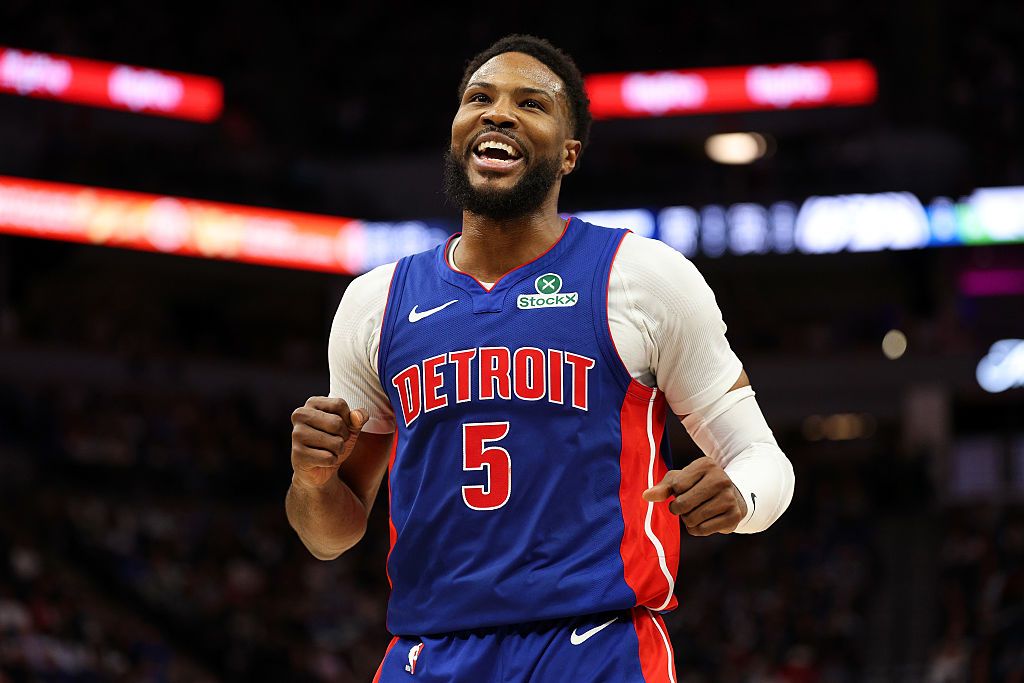
Beasley is the latest major NBA name tied to a gambling scandal. Prosecutors allege that while he was on the Bucks, he agreed to tailor his performance in certain games so bettors could cash in on prop bets tied to his stats. Beasley has not been convicted and his side has denied wrongdoing, but the indictment has already placed him at the center of one of the league’s most serious betting scandals.
Ed Davis
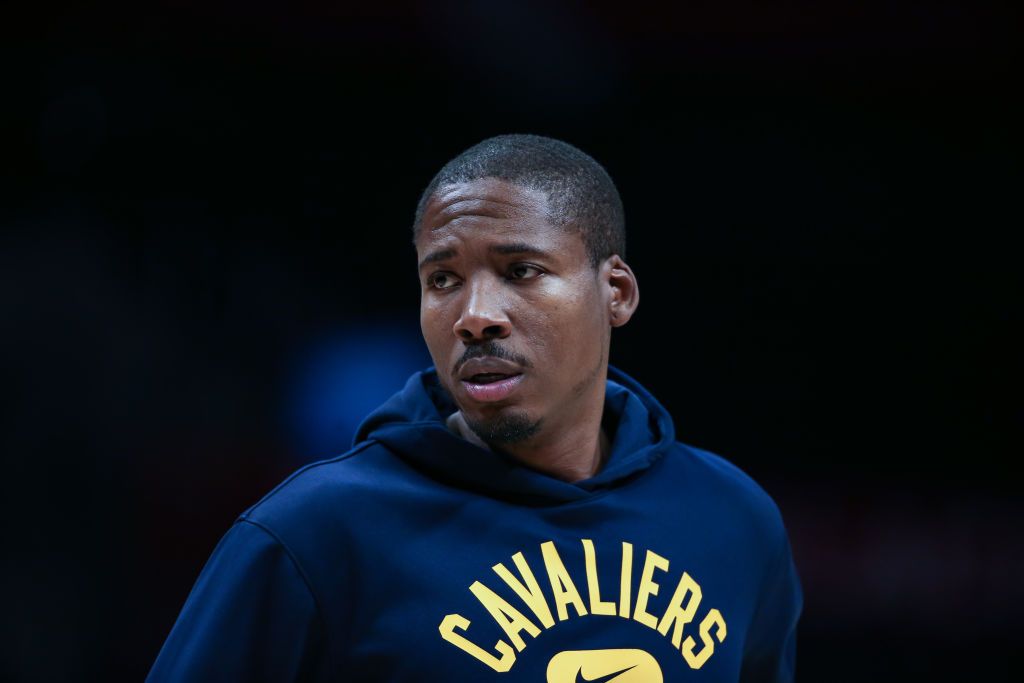
Davis, a 12-year NBA veteran, was also indicted in the Beasley case. Prosecutors allege Davis helped organize or benefit from wagers connected to Beasley’s performance and that Beasley’s gambling debts played a role in the scheme. Like Beasley, Davis has been charged, not convicted.
Jontay Porter
Jontay Porter became the face of the NBA’s modern gambling crisis in 2024 when the league banned him for life. The NBA said Porter gave confidential health information to a bettor, limited his own participation in at least one game for betting purposes and bet on NBA games. He later pleaded guilty in federal court in connection with the case, making him the first NBA player in 70 years to receive a lifetime gambling ban.
Terry Rozier
Rozier was arrested in 2025 as part of a federal sports betting investigation tied to alleged insider information. Prosecutors accused him of helping bettors profit from information connected to a March 2023 game when he was with the Charlotte Hornets. Rozier has pleaded not guilty and denied wrongdoing, but his case became one of the biggest active-player gambling scandals in recent NBA history.
Damon Jones
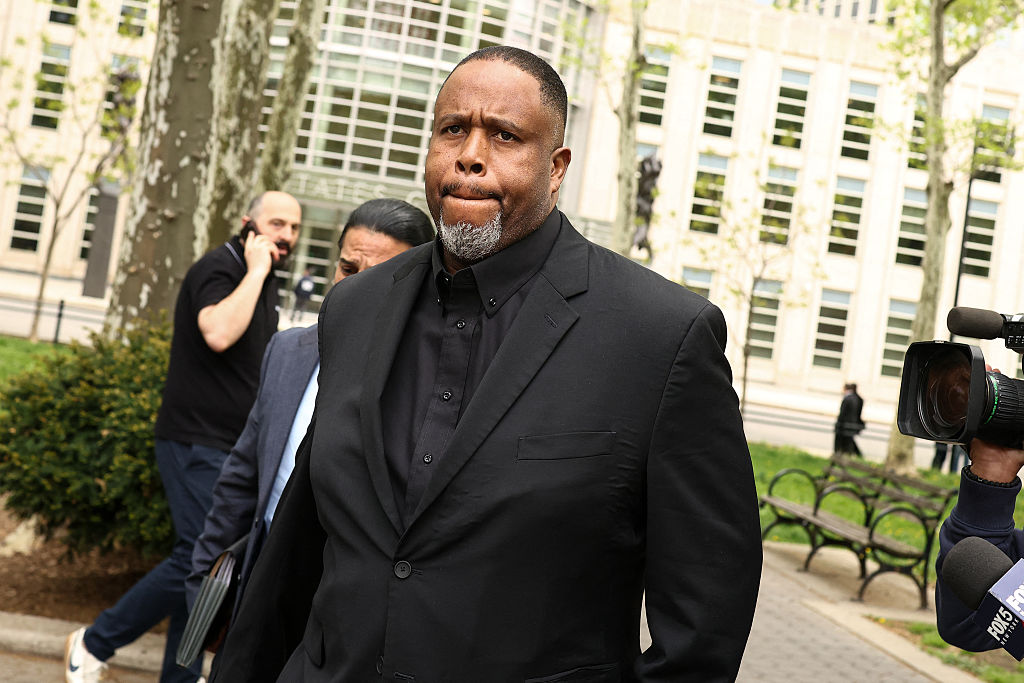
Damon Jones, a former NBA player and assistant coach, was tied to both sides of the 2025 federal gambling sweep: the insider sports betting case and the rigger poker case. In 2026, he pleaded guilty to two wire fraud conspiracy counts, admitting he used non-public NBA information and also participated in a rigged poker operation.
Chauncey Billups
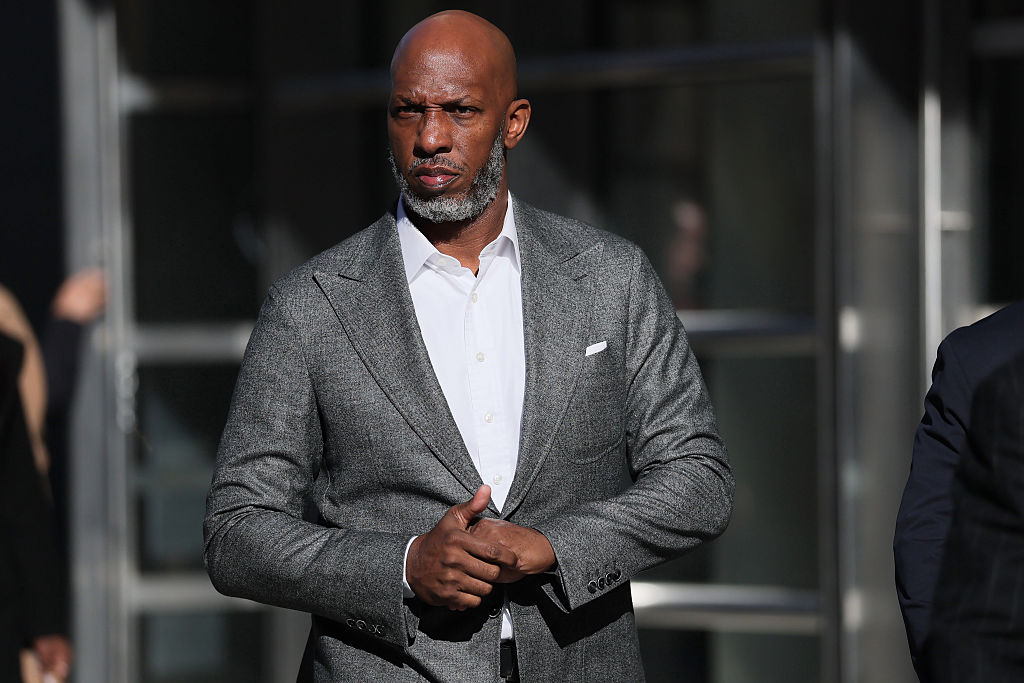
Billups, the Hall of Fame player and Portland Trail Blazers head coach, was charged in the federal case involving allegedly rigged high-stakes poker games. Prosecutors alleged the games were backed by organized crime figures and used cheating technology to defraud victims. Billups has pleaded not guilty, so this remains an allegation, but his name being attached to a Mafia-linked poker indictment was still a stunning moment for the league.
Jack Molinas
Jack Molinas is one of the original names in the NBA gambling scandal. The Fort Wayne Pistons rookie was banned in 1954 after admitting he bet on NBA games, including games involving his own team. His NBA career ended after just 32 games, and he later became a central figure in a larger college basketball point-shaving scandal.
Alex Groza
Alex Groza was one of the NBA’s early stars before the 1951 college basketball point-shaving scandal destroyed his career. Groza, who had played for Kentucky before joining the Indianapolis Olympians, pleaded guilty and was banned from the NBA for life. He had averaged more than 20 points per game in both of his NBA seasons before the ban.
Ralph Beard
Like Groza, Ralph Beard was a Kentucky star and an Indianapolis Olympians player whose NBA career ended because of the 1951 point-shaving scandal. Beard admitted taking money while in college, though he denied actually shaving points. The NBA still banned him for life.
Dale Barnstable
Dale Barnstable was another Kentucky player tied to the 1951 scandal. He was drafted by the Boston Celtics but was banned for life before he could build an NBA career. His name is usually grouped with Groza and Beard as part of the scandal that shook basketball before the NBA became the giant it is today.
Gene Melchiorre
Gene Melchiorre was the No. 1 pick in the 1951 NBA Draft, but he never played in the league. He was implicated in the college point-shaving scandal while at Bradley and was banned before his pro career could begin. His story remains one of the wildest “what ifs” in NBA draft history.
Norm Mager
Norm Mager played one season with the Baltimore Bullets before being implicated in the broader college basketball gambling scandals of the early 1950s. He was later banned by the NBA, cutting short what could have been a longer professional career. His case is another reminder that the league’s fear of gambling goes back to its earliest years.
Connie Hawkins
Connie Hawkins’ case is different because he was never convicted of fixing games, and his ban has long been viewed as deeply unfair. Hawkins was linked to the Jack Molinas college gambling scandal, but he maintained his innocence and later sued the NBA. The league eventually settled, allowed him in, and Hawkins became a Hall of Famer.
Roger Brown
Roger Brown was another player whose career was damaged by gambling scandal fallout, even though he denied wrongdoing and was never convicted. The NBA kept him out for years because of alleged ties to the Molinas scandal. He eventually became an ABA legend with the Indiana Pacers, but the NBA years he lost remain a major part of his story.
Doug Moe
Doug Moe is best known to many fans as a longtime NBA coach, but his name also came up in the Molinas-era college gambling scandal. Moe was reportedly offered money to fix a game while at North Carolina, but he refused. His case is worth including because he was caught in the scandal’s orbit, though not in the same way as players who admitted taking money or were convinced.
John “Hot Rod” Williams
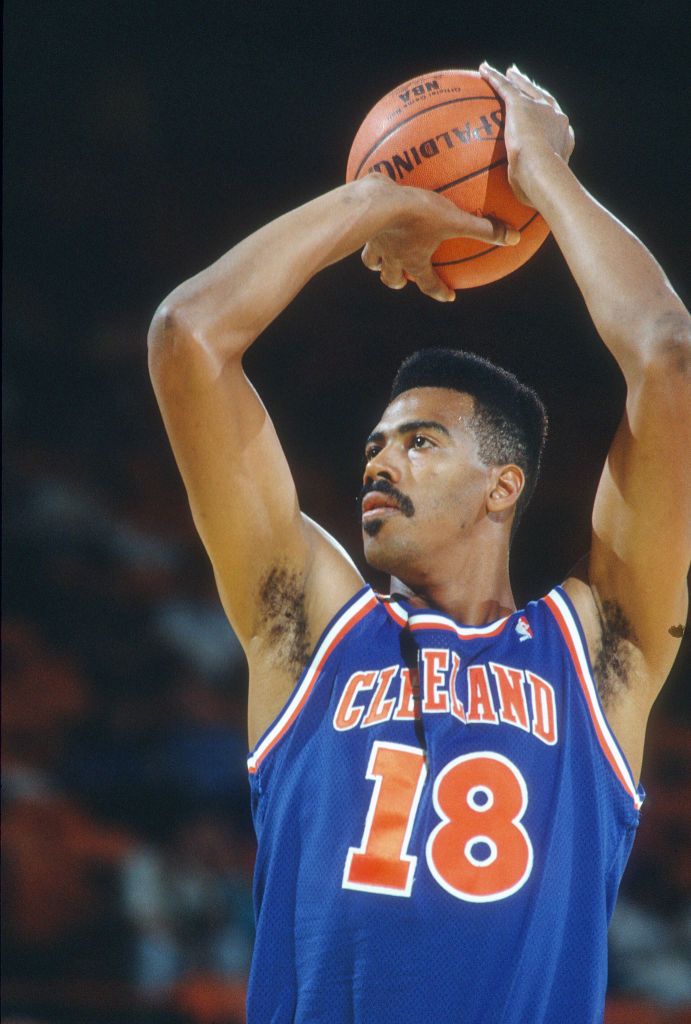
Before his long NBA career, Hot Rod Williams was accused in a point-shaving scandal at Tulane. His first trial ended in a mistrial, and he was acquitted in the second. Williams went on to play 13 NBA seasons, so his case belongs in the “accused but cleared” category rather than the “caught and punished” category.
Tim Donaghy
Technically, Donaghy was not a player or coach, but any NBA gambling scandal list feels incomplete without at least mentioning him. The former referee pleaded guilty in 2007 after betting on NBA games, including games he officiated, and providing information to gamblers. His case has haunted the league for years and remains the scandal fans bring up whenever NBA integrity comes up.
The NBA has dealt with gambling fears for generations, but the current wave feels especially dangerous because the betting market is now built around micro-moments. Points, rebounds, assists, minutes, injury reports and lineup info can all become money-making opportunities for people close enough to know what the public does not.
That is why the Beasley case matters. It is not just about one player’s alleged choices. It is about the uncomfortable question sitting over the league right now: in a sports world where everybody is being encouraged to bet on everything, how long before the next scandal hits?