Ghana Encourages Young Athletes to Pursue Technology and Digital Skills
The Ministry of Communication, Digital Technology and Innovations has hosted students and coaches from the Right to Dream Academy, highlighting the growing intersection between sports, ......
 Black News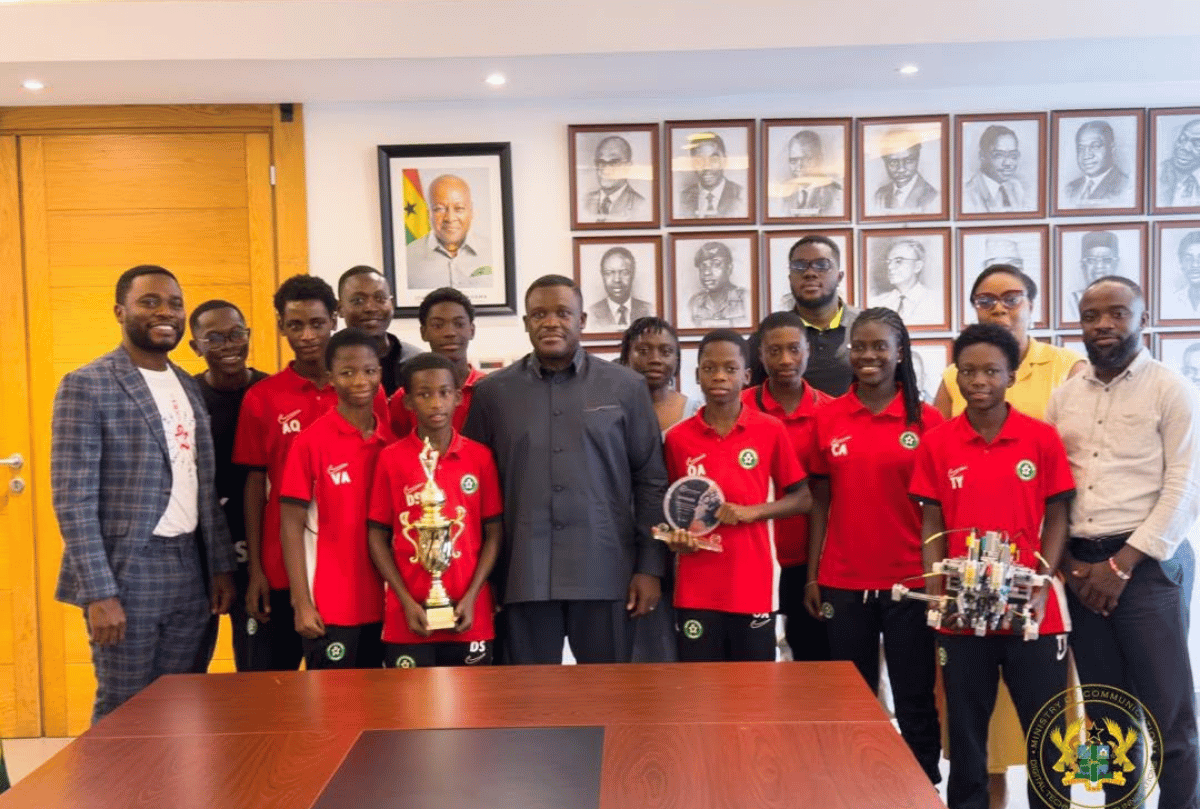
The Ministry of Communication, Digital Technology and Innovations has hosted students and coaches from the Right to Dream Academy, highlighting the growing intersection between sports, technology and digital skills development in Ghana.
The visit showcased the academy’s achievements beyond football, with students demonstrating their capabilities in robotics and artificial intelligence. While the academy is widely recognised for producing professional football talent, its students have also gained international recognition in technology competitions.
The student team recently won first place at Ghana’s national AI for Good competition and secured second place in the senior category at the Robofest 2026 World Championship, underscoring the increasing role of science, technology and innovation within the academy’s educational programme.
Minister for Communication, Digital Technology and Innovations Samuel Nartey George commended the academy’s approach to combining sports and education, noting that digital literacy and technology skills provide important opportunities for young athletes beyond their sporting careers.
The minister emphasised the importance of equipping students with technology and science skills that can complement athletic achievements and create additional educational and professional pathways.
During the engagement, the ministry also acknowledged the support provided by corporate partners that are helping the students participate in international competitions. The MTN Ghana Foundation and Telecel Ghana Foundation were recognised for supporting the team’s upcoming participation in a global event scheduled to take place in Geneva.
To further support the academy’s technology programme, the ministry announced plans to donate 30 laptops to enhance the institution’s computer laboratory facilities. The students will also be enrolled in the government’s One Million Coders Programme, an initiative aimed at expanding digital skills and coding education among young Ghanaians.
The engagement reflects Ghana’s broader efforts to promote digital literacy and encourage young people to pursue careers in science, technology, engineering and innovation. It also highlights the increasing role of educational institutions in combining sports, technology and academic development to prepare students for opportunities in the digital economy.
As the country advances its digital transformation agenda, initiatives that integrate technology education with other areas of youth development are expected to contribute to building a more skilled and digitally prepared workforce.