
Global container shipping giant Maersk suspends shipments, disrupting key Horn of Africa trade corridor
Global container shipping giant A.P. Moller–Maersk has temporarily suspended new cargo bookings to and from the Port of Berbera in Somaliland, disrupting a fast-growing inland trade corridor linking the Horn of Africa’s coastal gateways to Ethiopia’s import-reliant economy.
 Black News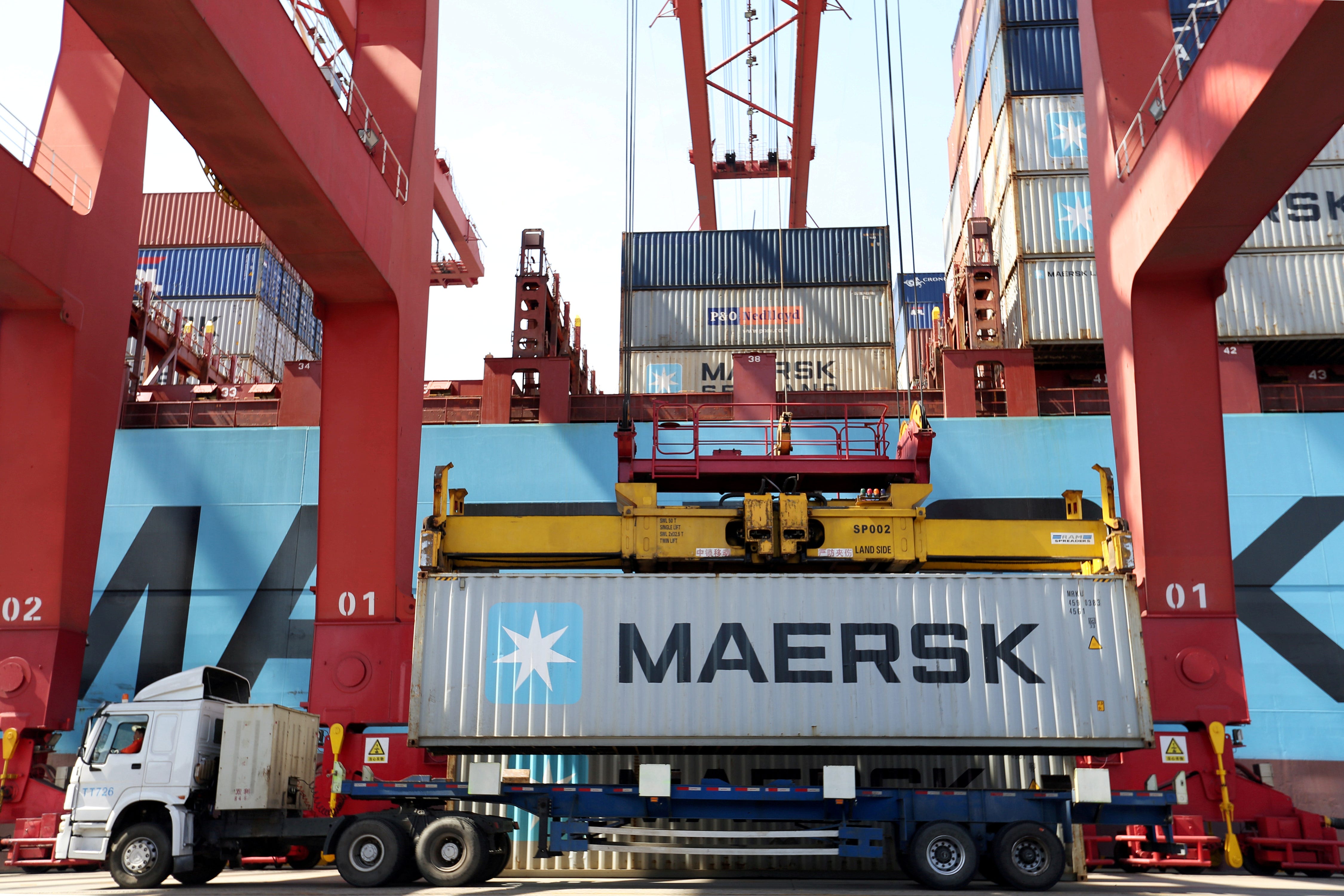
Global container shipping giant A.P. Moller–Maersk has temporarily suspended new cargo bookings to and from the Port of Berbera in Somaliland, disrupting a fast-growing inland trade corridor linking the Horn of Africa’s coastal gateways to Ethiopia’s import-reliant economy.
- Maersk has temporarily suspended new cargo bookings to and from the Port of Berbera in Somaliland due to scheduling changes.
- Existing shipments through Berbera will not be affected, but this move disrupts a trade corridor crucial for Ethiopia's imports.
- The suspension is expected to increase freight costs, lengthen transit times, and shift cargo volumes back to already busy ports like Djibouti and Mombasa.
- Berbera's role as an alternative regional logistics hub for Somaliland and Ethiopia faces setbacks due to the decreased activity.
According to a statement by the shipping giant, it will temporarily suspend acceptance of new bookings to and from the Port of Berbera, effective immediately, due to scheduling changes, in a notice to customers.
However, Maersk stressed that existing shipments will not be affected.
In a notice sent to its customers, Maersk said it recognised that clients may have relied on its Berbera services for local gateway cargo as well as connectivity to neighbouring markets such as Ethiopia.
The company added that while it will temporarily suspend its call to Berbera, cargo already en route will still be delivered to its final destination as planned.
"Further, our continued services to Djibouti, Mogadishu, and Mombasa remain available to support your logistics needs and ensure connectivity across the region.,” it added.
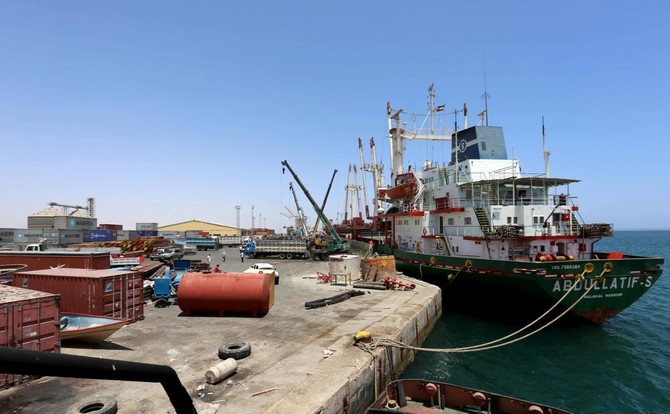
Horn of Africa trade corridor faces renewed strain
Berbera has become increasingly important in recent years as Ethiopia looks to diversify its access to global trade routes beyond Djibouti.
The corridor has supported imports of fuel, consumer goods, and construction materials while also facilitating export flows such as livestock, reducing pressure on traditional logistics choke points.
The suspension places immediate pressure on Ethiopia’s supply chain, where reliance on coastal gateways remains structurally high. Short-term effects are expected to include higher freight costs, longer transit times, and a likely shift of volumes back toward Djibouti and Mombasa, both already handling significant regional traffic.
Somaliland may also experience reduced port activity at Berbera, potentially slowing momentum in its broader ambition to become a regional logistics hub.
Maersk said its wider East African network remains active, with services through Djibouti, Mogadishu, and Mombasa continuing without disruption. In theory, other global carriers such as MSC and CMA CGM could help fill the gap by rerouting cargo.
But structural limits remain. Djibouti is already a dominant and congested gateway for Ethiopian trade, while inland clearance and transport infrastructure constraints limit rapid scaling elsewhere.
The disruption comes amid ongoing instability in Red Sea and Gulf of Aden shipping lanes, where carriers continue to adjust schedules and port calls, making the Horn of Africa’s logistics system increasingly sensitive to even temporary service changes.













![Taylor Polidore Williams Says Indie Film ‘HPV: Her Pretty Vagina’ Is Bigger Than Entertainment: ‘I Knew It Was A Necessary Conversation’ [Exclusive]](https://bossip.com/wp-content/uploads/sites/28/2026/05/17794757122146.jpg?quality=80&strip=all&w=1024&crop=0,0,100,683px#)
