In Baltimore, talent is everywhere – opportunity is not
By Dr. K.L. Allen Every year, Juneteenth invites us to reflect on the meaning of freedom and the progress our nation has made toward expanding opportunity. It is a celebration of resilience, perseverance and possibility. But it also carries an important truth: freedom opens the gate, but opportunity determines how far a person can travel […] The post In Baltimore, talent is everywhere – opportunity is not appeared first on AFRO American Newspapers.
 Black News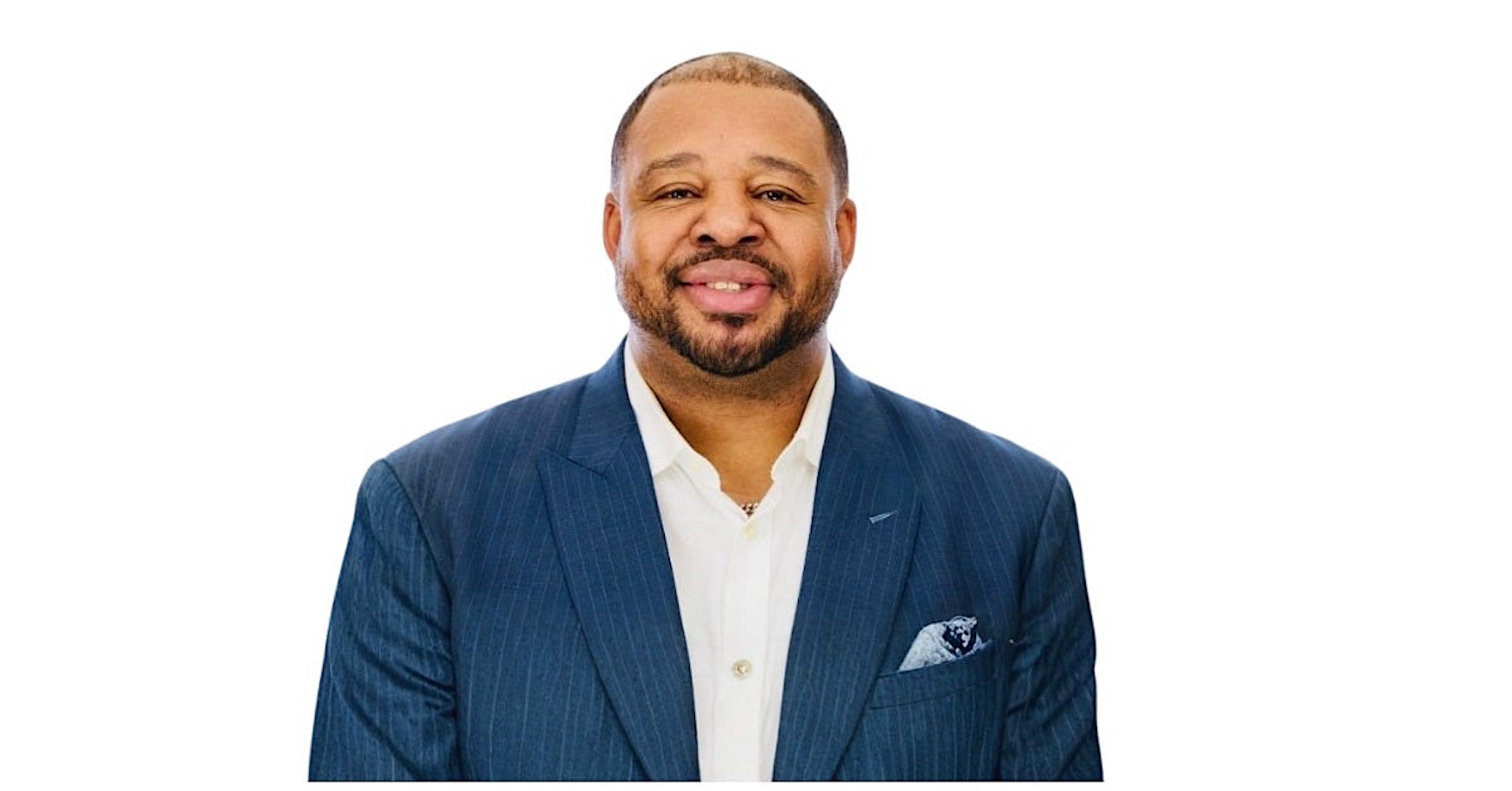

By Dr. K.L. Allen
Every year, Juneteenth invites us to reflect on the meaning of freedom and the progress our nation has made toward expanding opportunity. It is a celebration of resilience, perseverance and possibility. But it also carries an important truth: freedom opens the gate, but opportunity determines how far a person can travel beyond it.
When news of the emancipation finally reached enslaved people in Galveston, Texas, on June 19, 1865, freedom arrived. But freedom alone did not erase the barriers that stood between millions of Americans and economic mobility. The gate had opened but the path ahead had not been cleared.
More than 160 years later, that lesson still challenges us.
Across Baltimore, employers continue to report workforce shortages in critical industries such as childcare and teaching. At the same time, thousands of capable individuals remain disconnected from opportunities that could transform their lives and strengthen our economy. We often describe this as a talent shortage. But perhaps we are asking the wrong questions.
What if talent is not scarce? What if opportunity is?
If we are serious about building a stronger workforce, we must stop asking where talent is and start asking why so much of it remains unseen.
Talent does not live where we expect it to
We often look for talent in familiar places. Certain schools. Certain zip codes. Certain career paths. Certain credentials.
Yet some of the most capable future leaders in Baltimore are already contributing to their communities every day. They are working parents balancing jobs and family responsibilities. They are veterans translating military experience into civilian careers. They are adults who paused their education to care for loved ones. They are employees who have spent years developing expertise but lack a credential that reflects what they already know.
History reminds us that societies rarely suffer from a lack of talent. More often, they suffer from a failure to see it.
What’s actually standing in the way
For many people, the barriers are not about motivation or ability. They are about access. It is the parent who cannot attend class because childcare is unavailable. The employee who works two jobs and cannot fit a traditional schedule into an already demanding life. The adult learner who believes higher education is financially out of reach. The veteran whose experience is respected in theory but overlooked in practice.
Meanwhile, technology continues to reshape the workforce at an unprecedented pace. Entire industries are evolving. New skills are emerging. Existing roles are changing.
Time and time again we say the future belongs to individuals who can adapt, learn and grow throughout their careers. Yet many of the people best positioned to fill workforce gaps are the very people facing the greatest barriers to advancement. That should concern all of us, because every barrier left standing represents potential left untapped. And untapped talent is as much an economic loss as it is a personal one.
The workforce question we should be asking
Perhaps the most important workforce question facing Baltimore is not whether we have enough talent. It is whether we have built enough inroads for that talent to realize itself.
Employers can expand opportunities by focusing more intentionally on skills, competencies and demonstrated potential. Educational institutions can – and should – create pathways that meet learners where they are, rather than requiring them to rearrange their lives to fit outdated models. Policymakers can invest in solutions that remove barriers and connect more people to high demand careers. None of this requires lowering standards. It requires broadening our collective vision.
It’s important to inspire talent in Baltimore to want to continue to grow in, and give back to, our local economy by creating pathways for all to thrive. After all, the strongest economies are not built by competing for the same visible pool of workers; they are built by unlocking potential that others overlook.
My Juneteenth challenge
Juneteenth reminds us that the freedoms we proclaim are not our absolute measure of progress. The barriers we remove matter more.
“Juneteenth reminds us that the freedoms we proclaim are not our absolute measure of progress. The barriers we remove matter more.”
As we reflect on Juneteenth, we should ask ourselves a difficult but necessary question: how much talent remains waiting on the other side of current barriers we already have the power to remove?
The future prosperity of Baltimore may depend on the answer. Because everywhere you look in Baltimore, you’ll find real talent. The same should be true for opportunity.
The opinions expressed in this commentary are those of the writer and not necessarily those of the AFRO.
The post In Baltimore, talent is everywhere – opportunity is not appeared first on AFRO American Newspapers.