Is Ozempic Killing Your Sex Drive? The Unexpected Side Effect Of GLP-1 Drugs No One Warned You About
A new study examines whether GLP-1 medications, commonly used for diabetes, can impact sexual desire in patients. The post Is Ozempic Killing Your Sex Drive? The Unexpected Side Effect Of GLP-1 Drugs No One Warned You About appeared first on MadameNoire.
 Black News



Doctors have long assumed that weight loss medications like Ozempic and Wegovy, often prescribed for diabetes or weight management, would naturally improve sexual health. After all, these drugs can help people feel better about their bodies, improve blood flow, and even support erectile function. But surprisingly, there hasn’t been much research on how these medications affect sexual desire or pleasure, but a new study released in March via Obesity Pillars is finally shedding more light on the subject.
RELATED CONTENT: Microdosing Ozempic? The Risky Weight-Loss Hack Doctors Say Could Backfire
Here’s what the study found.
This study looked at existing research to see if medications like Ozempic and Wegovy, clinically known as GLP-1 agonists, might actually reduce sexual desire, even while improving other aspects of sexual function, and the results were mixed. The researchers found a possible explanation: these drugs may increase activity in the brain’s serotonin system, particularly at a receptor called 5-HT2C, which can dampen sexual desire. In other words, while the body may be more capable of sexual activity, the brain might be sending less “wanting” signals.
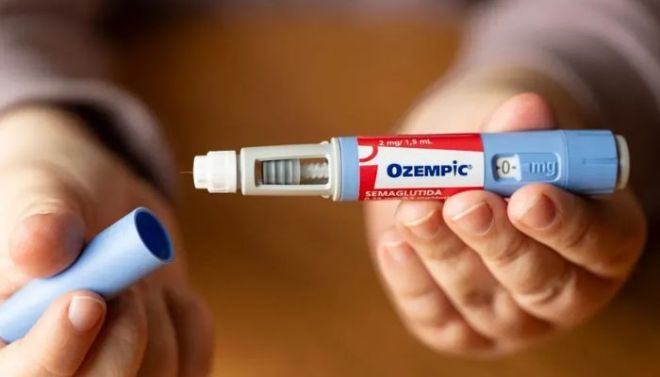
GLP-1 medication may dim pleasure receptors in the brain responsible for sex.
This signal jam could be due to how weight loss medications like Ozempic and Wegovy work. They contain semaglutide, a chemical that mimics a natural hormone in the body called GLP-1 (glucagon-like peptide-1), which is released after eating. According to an interview with OB-GYN specialist James Simon published in SELF on April 10, semaglutide binds with GLP-1 receptors in the brain and body and helps to control satiety, regulating blood sugar and appetite. It’s very possible that when the medication quiets those areas of the brain, it could also dim the 5-HT2C receptor in the brain responsible for sexual desire and pleasure.
The post Is Ozempic Killing Your Sex Drive? The Unexpected Side Effect Of GLP-1 Drugs No One Warned You About appeared first on MadameNoire.