Kenya nears U.S. critical minerals deal as Ruto pushes for local processing
Kenya is close to signing a critical minerals agreement with the United States that would allow rare earths and other strategic minerals to be processed domestically, marking a significant step in the country’s efforts to capture more value from its natural resources.
 Black News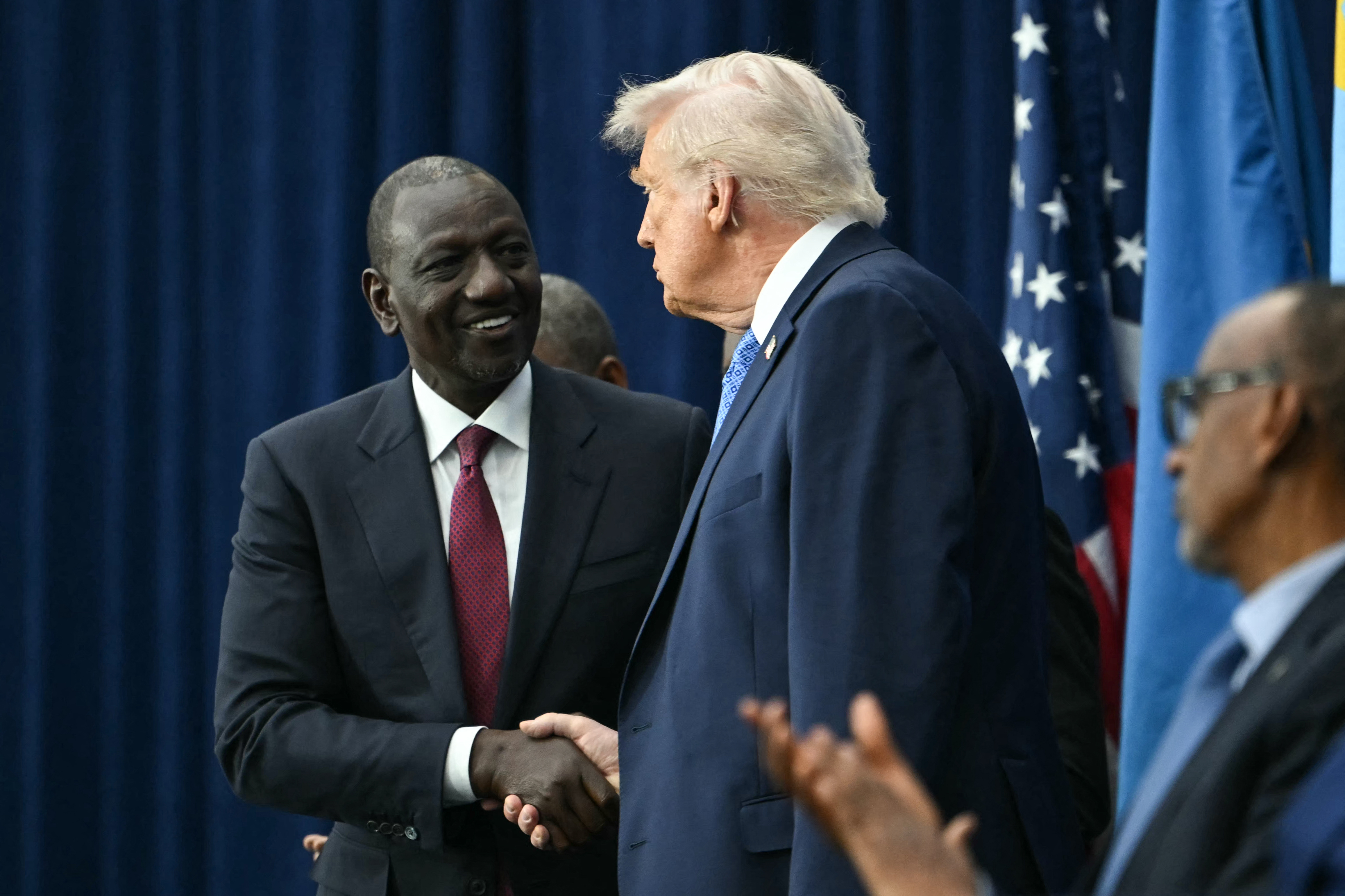
![Kenya nears U.S. critical minerals deal as Ruto pushes for local processing[Photo by ANDREW CABALLERO-REYNOLDS / AFP via Getty Images]](https://ocdn.eu/pulscms/MDA_/e14c37abaa0247b88a9e3d7bcb0754ef.jpg)
Kenya is close to signing a critical minerals agreement with the United States that would allow rare earths and other strategic minerals to be processed domestically, marking a significant step in the country’s efforts to capture more value from its natural resources.
- Kenya is nearing a critical minerals agreement with the United States.
- The proposed deal would allow rare earths and other strategic minerals to be processed domestically.
- President William Ruto says the arrangement will help Kenya capture more value from its resources.
- The talks come amid growing global competition for critical mineral supplies.
President William Ruto disclosed the development during the G7 summit on the shores of Lake Geneva, saying discussions with U.S. officials were progressing and that an agreement could be concluded soon.
“We have agreed that the minerals will be processed in Kenya,” Ruto told Reuters, underscoring Nairobi’s push to move beyond the export of raw materials and build local industries around mineral processing.
The proposed deal comes as countries across Africa seek to retain a larger share of the economic benefits from their natural resources through domestic processing, manufacturing and value addition.
Kenya has identified deposits of several strategic minerals, including rare earths, niobium, lithium, graphite, copper and nickel.
These minerals are increasingly important to industries such as electric vehicles, renewable energy, defence technology, electronics and advanced manufacturing.
The agreement also reflects a broader global race for critical minerals as major economies move to secure supplies needed for the energy transition and emerging technologies.
DON'T MISS THIS: US and China interest in Kenya’s $62 billion rare earth site sparks local concern
The United States and its allies have been working to diversify supply chains and reduce reliance on a handful of dominant suppliers in the global minerals market.
For Kenya, local processing could help create jobs, attract investment and support industrial development while increasing earnings from its mineral resources.
The country has in recent years stepped up efforts to encourage value addition rather than exporting raw materials with limited domestic economic benefits.
Ruto said the proposed arrangement was based on mutual benefit for both countries, adding that Kenya’s objective was to ensure more processing and industrial activity takes place within its borders.
The discussions come at a time when African governments are increasingly demanding greater participation in the mineral value chain.
DON'T MISS THIS: Kenya launches bid for investors to develop $62 billion rare earth site eyed by US, China
Several countries on the continent have introduced policies aimed at encouraging local beneficiation and restricting the export of unprocessed minerals in an effort to boost industrialisation.
A successful agreement could strengthen Kenya’s position in the global critical minerals sector while supporting its ambition to become a regional hub for mineral processing and value-added manufacturing.