Kenya ramps up nuclear energy push to boost power supply
Since 2023, Kenya has formally proposed the integration of nuclear energy into its national grid to address its increasing power needs.
 Black News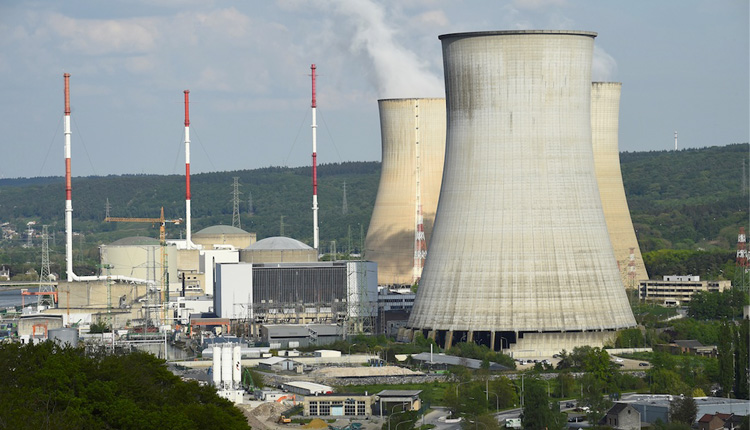

Since 2023, Kenya has formally proposed the integration of nuclear energy into its national grid to address its increasing power needs.
- Kenya plans to incorporate nuclear energy into its electricity grid, aiming to begin constructing a 2000 MW nuclear power plant in Siaya County by 2027.
- The nuclear facility is expected to be complete by 2034, with President William Ruto highlighting job creation and local economic benefits during construction and operation.
- The government targets increasing national installed capacity from 3,300 MW to at least 10,000 MW in the next five to seven years, with nuclear energy contributing 3,000 MW.
- The project will be accompanied by major infrastructure upgrades in Siaya County, including roads, water, healthcare, schools, and telecommunications.
Very recently, the country disclosed that it is much closer to this goal with plans to begin construction of a 2000 megawatt nuclear power station in Siaya county by 2027.
While the commencement of the project is a few months away, the completion of the facility is projected to take some time.
The President of the East African country, William Ruto, relayed that the plant is expected to be done by 2034.
What William Ruto said
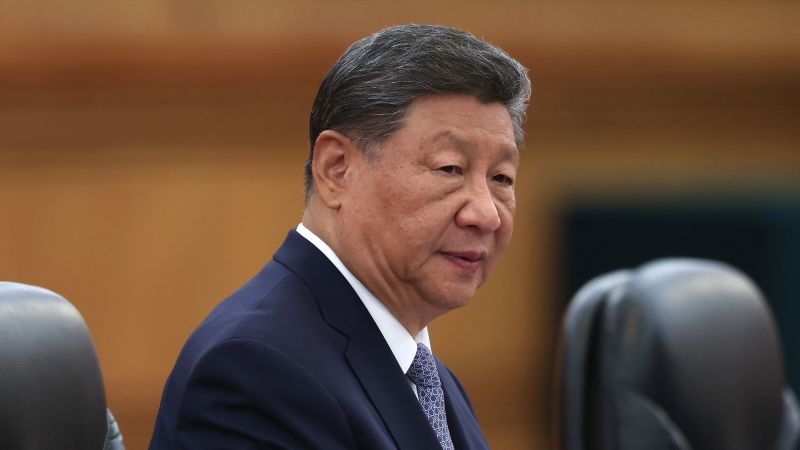
![Kenyan President William Ruto. [Photo by Anna Moneymaker/Getty Images]](https://ocdn.eu/pulscms/MDA_/05d8b1aead7fb19f1050255b1d051672.jpg)
During the International Conference on Nuclear Energy in Nairobi, President Ruto elaborated on how the project is not only intended for power generation but also to ensure economic opportunities for locals.
“During peak construction, the nuclear plant will create between 5,000 and 12,000 jobs, ranging from manual labour to highly specialised engineering roles.
Once operational, it will provide hundreds of permanent, well-paying technical positions,” William Ruto disclosed.
Regarding energy infrastructure, President Ruto indicated that the strategic objective is to expand the nation's installed electrical capacity from the current 3,300MW to a minimum of 10,000MW within the next five to seven years, including a 3,000MW contribution from nuclear power sources.
DON'T MISS THIS: Kenya is racing to bring home its citizens caught in Ukraine as prisoners of war
“We have made a deliberate and strategic decision to significantly expand our energy capacity.
From our current installed capacity of 3,300 megawatts, we are committed to scaling up to at least 10,000MW in the next five to seven years, 3,000MW of which will be generated from nuclear energy,” he stated.
“Consequently, Kenya plans to commence construction of a 2,000MW nuclear power plant in Siaya County next year (2027), with commissioning of the project expected in 2034,” he added.
Additionally, the Kenyan president promised that the project would be accompanied by Siaya County's infrastructural development, as seen on The Star.
“We will expand all-weather roads, improve water supply systems, build modern healthcare facilities and schools, and enhance telecommunications,” he said.
“The project will also stimulate the local economy by increasing demand for housing, hospitality, retail, and agricultural produce.”
Speaking further on its nuclear ambitions, Eng. Peter Njenga, the Managing Director and CEO of the Kenya Electricity Generating Company PLC (KenGen), noted that the Kenyan government has chosen KenGen to be the owner-operator of the nuclear power plant, which is set to have an operational lifespan of 60 to 80 years.
A few power plans in Kenya
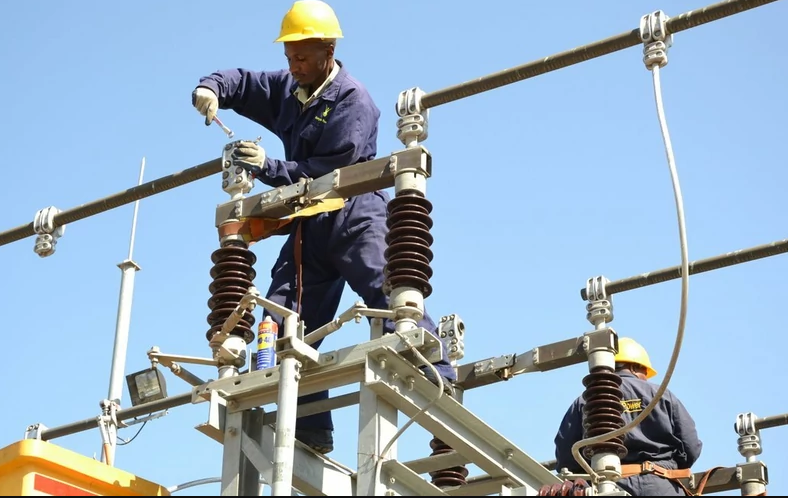
Very recently, Kenya launched an energy initiative valued at $2.9 billion to construct a 1,200-megawatt gas-fired power plant.
The gas plant, slated for construction in Dongo Kundu, Mombasa's eastern port town, will be a collaborative agreement between private investors and the state-owned power company, KenGen.
In 2023, Kenya signed a $1 billion geothermal project at Suswa with the Indonesian government, through Masdar-backed Pertamina Geothermal Energy.
The country also signed a 3 way deal with fellow East African countries, Ethiopia and Tanzania, to deliver 100 megawatts of power to Tanzania from Ethiopia.
Also, AMEA Power of the UAE and Geothermal Development Co. of Kenya moved ahead to invest $800 million in the 200MW Paka Geothermal Project.