Libya pushes back at US Vice President JD Vance over failed-state comparison after ‘another Libya’ warning on Iran
Libya’s House of Representatives has criticised US Vice President JD Vance after he compared the risk of Iran’s collapse to Libya’s post-2011 instability, a period that disrupted the country’s oil-dependent economy and left it divided between rival political and armed factions.
 Black News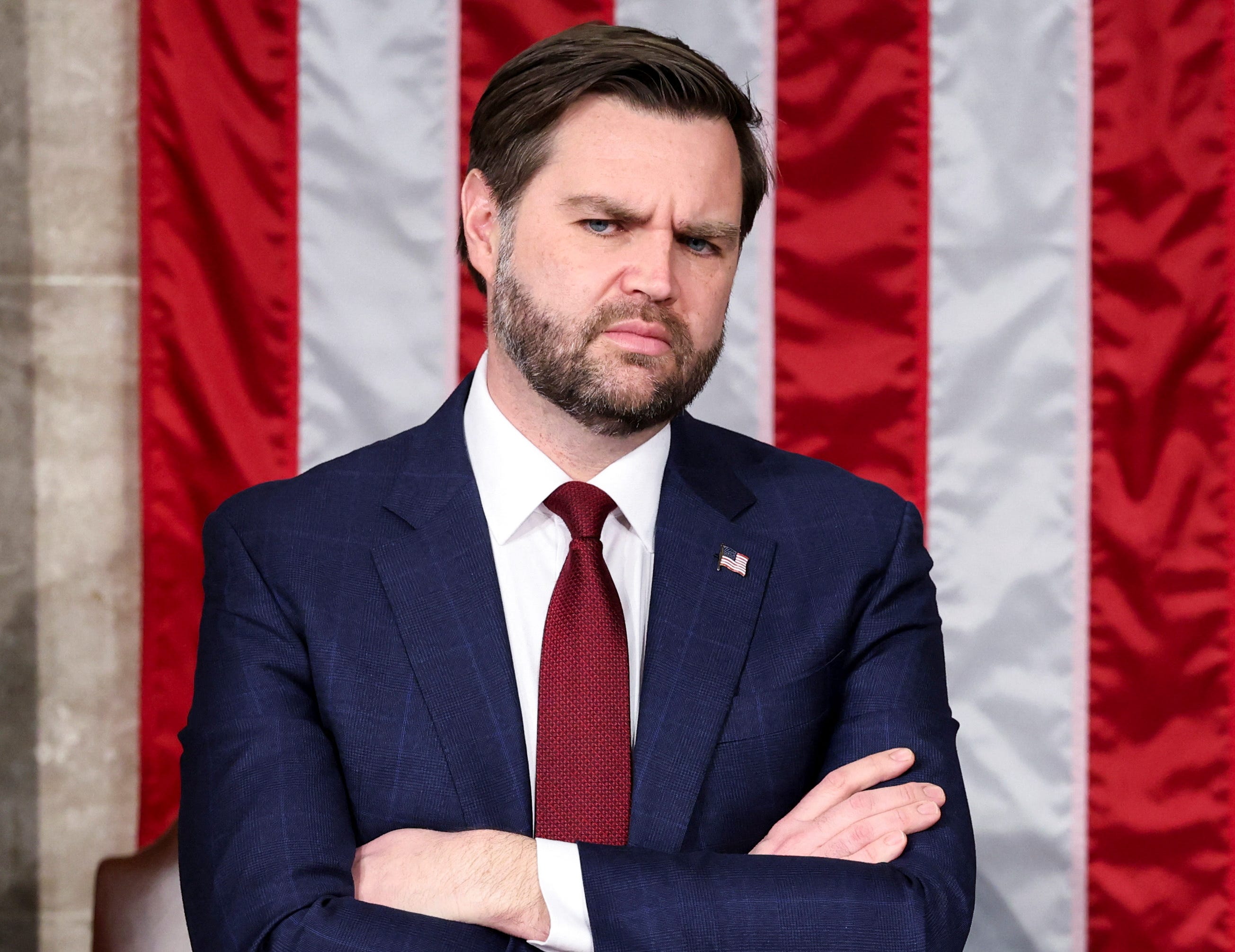
Libya’s House of Representatives has criticised US Vice President JD Vance after he compared the risk of Iran’s collapse to Libya’s post-2011 instability, a period that disrupted the country’s oil-dependent economy and left it divided between rival political and armed factions.
- Libya's House of Representatives criticized US Vice President JD Vance for comparing Iran policy to the situation in Libya, calling his remarks an unjustified insult.
- The Libyan Foreign Affairs Committee argued that Vance's comments misrepresent Libya's reality and ignore historical and political context, potentially harming US-Libya relations.
- The committee emphasized that Libya's crisis was not self-inflicted but resulted from the 2011 NATO-backed intervention which removed Gaddafi without adequate plans for stability.
- US officials insist they do not want Iran to experience a similar collapse as Libya, highlighting the need for careful planning to avoid repeating past foreign intervention mistakes.
US Vice President JD Vance made the remarks during an interview on the Diary of a CEO podcast, where he discussed Washington’s approach to Iran.
He said one issue on which the United States and Iran appeared to agree was the need to prevent Iran from becoming a “Persian Libya” or a “Libya-style rump state.”
Vance said such an outcome would mean “basically a failed state with 90 million people.”
“They want to have a much brighter future,” he said. “Look at Persian culture, at the history of Iran, this is one of the proudest and oldest civilizations anywhere in the world. They don't want to be like a Libya-style rump state.”
He added: “Is Iran turning into a Persian Libya good for the United States of America? Absolutely not.”
The remarks came as Washington sought to frame its approach to Iran as a departure from earlier US-led interventions in the Middle East and North Africa.
Vance made the comments while discussing US policy on Iran, where Washington says it wants to prevent Tehran from obtaining nuclear weapons without triggering another long-running state collapse.
Libya condemns Vance’s remarks
The Foreign Affairs Committee of Libya’s House of Representatives condemned the remarks, describing them as an unjustified and unacceptable insult to Libya and its people.
In a statement, the committee said Vance’s comments reflected a poor understanding of Libya’s reality.
It said the remarks overlooked historical and political facts and did not serve the course of bilateral relations between Libya and the United States.
Committee says Libya’s crisis was not self-inflicted
The Libyan committee said reducing the country to images of failure and instability distorts reality and undermines the standing of the Libyan state.
It called on the United States to adopt a more balanced and respectful discourse that promotes cooperation, serves mutual interests and reflects respect for state sovereignty and the dignity of peoples.
The committee also said Libya’s crisis over the past years was not the result of the Libyan people’s will.
It said the turmoil followed the international military intervention that led to the fall of the former regime without the international community fully carrying out its responsibilities in supporting state-building and preserving stability.
It added that it was unacceptable to ignore these facts or place the burden of that period solely on the Libyan people, given that it was the outcome of well-known international decisions and interventions.
Libya remains a warning in US foreign policy
Libya has since become a recurring reference in US foreign policy debates over the economic and security costs of military intervention without a clear post-war plan.
The country descended into years of armed rivalries and political division after the US backed a NATO-led operation in 2011 that helped topple Muammar Gaddafi.
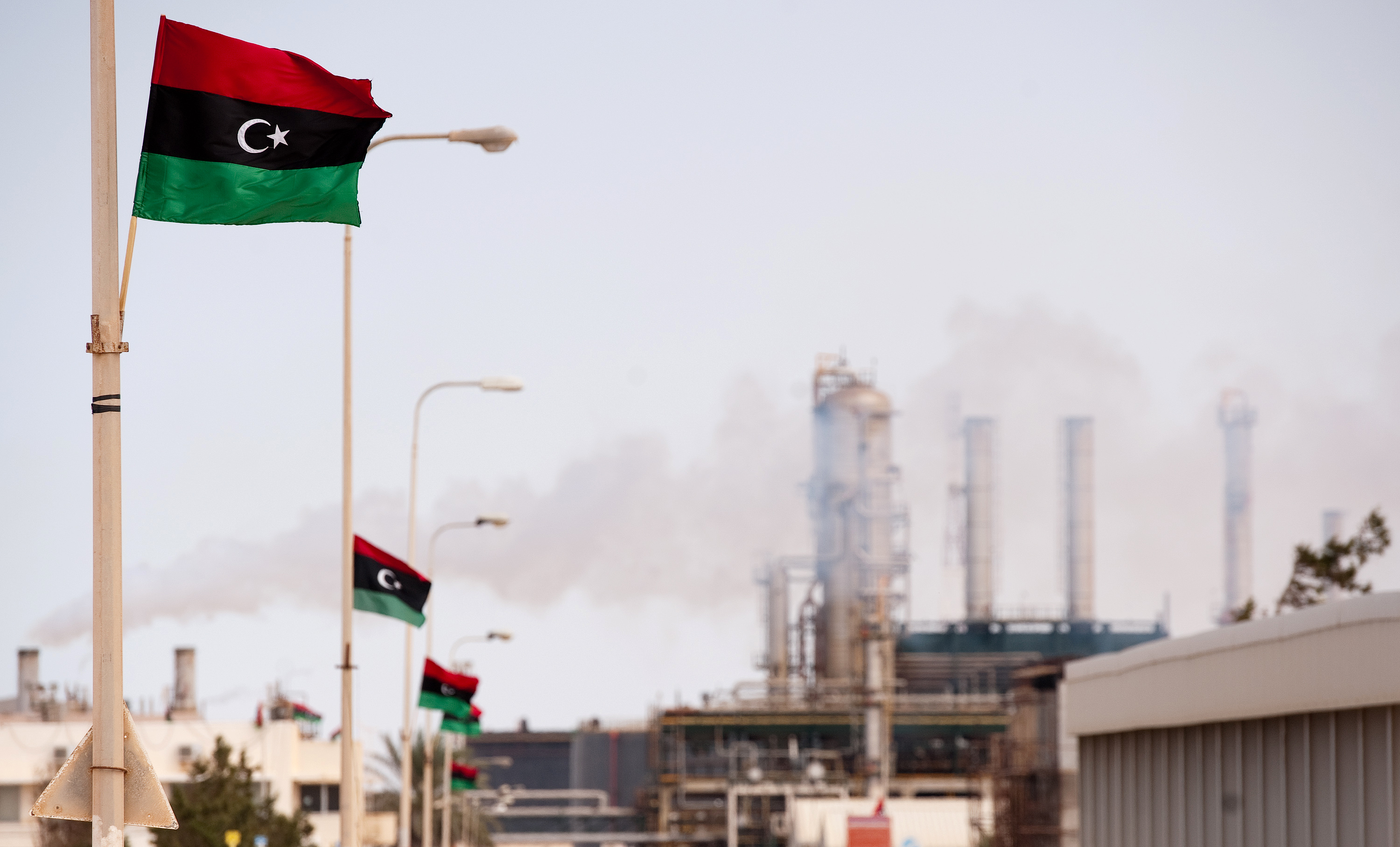
In turn, the crisis disrupted one of Africa’s most oil-dependent economies, repeatedly hitting crude production, exports, public finances and investor confidence.
Libya holds Africa’s largest proven oil reserves, but political divisions have often turned its energy sector into a bargaining tool between rival authorities and armed groups.
As a result, the IMF has warned that instability remains a major risk because renewed conflict could disrupt oil production and exports, while Libya’s fiscal position remains exposed to oil prices, high spending and pressure on the exchange rate.
The instability also interrupted wider economic ambitions linked to the Gaddafi era, including reported plans for a gold-backed African currency.
US says it does not want another Libya
In a related development, US Ambassador to NATO Matthew Whitaker also said Washington does not want to repeat the Libyan experience in Iran.
Speaking to Fox News, Whitaker said the US administration believes the Iranian issue must be handled cautiously.
He argued that the "Western intervention against Muammar Gaddafi in 2011 was not accompanied by sufficient planning for the post-regime period, resulting in a political and security vacuum that lasted for years."
Whitaker said the United States does not want Iran to become “another Libya.”