Meet the New Class of BFC NEWGEN Designers
The British Fashion Council has announced the 2026/27 recipients of BFC NEWGEN, in partnership with Pull & Bear. To mark the occasion, we caught up with new recipient Gui Rosa about craftsmanship, contradiction and pushing garments beyond convention. The post Meet the New Class of BFC NEWGEN Designers appeared first on BRICKS Magazine.
 Black News
The British Fashion Council has announced the newest recipients of BFC NEWGEN in partnership with Pull & Bear for 2026/27, the scheme that’s helped shape generations of London fashion talent since 1993.
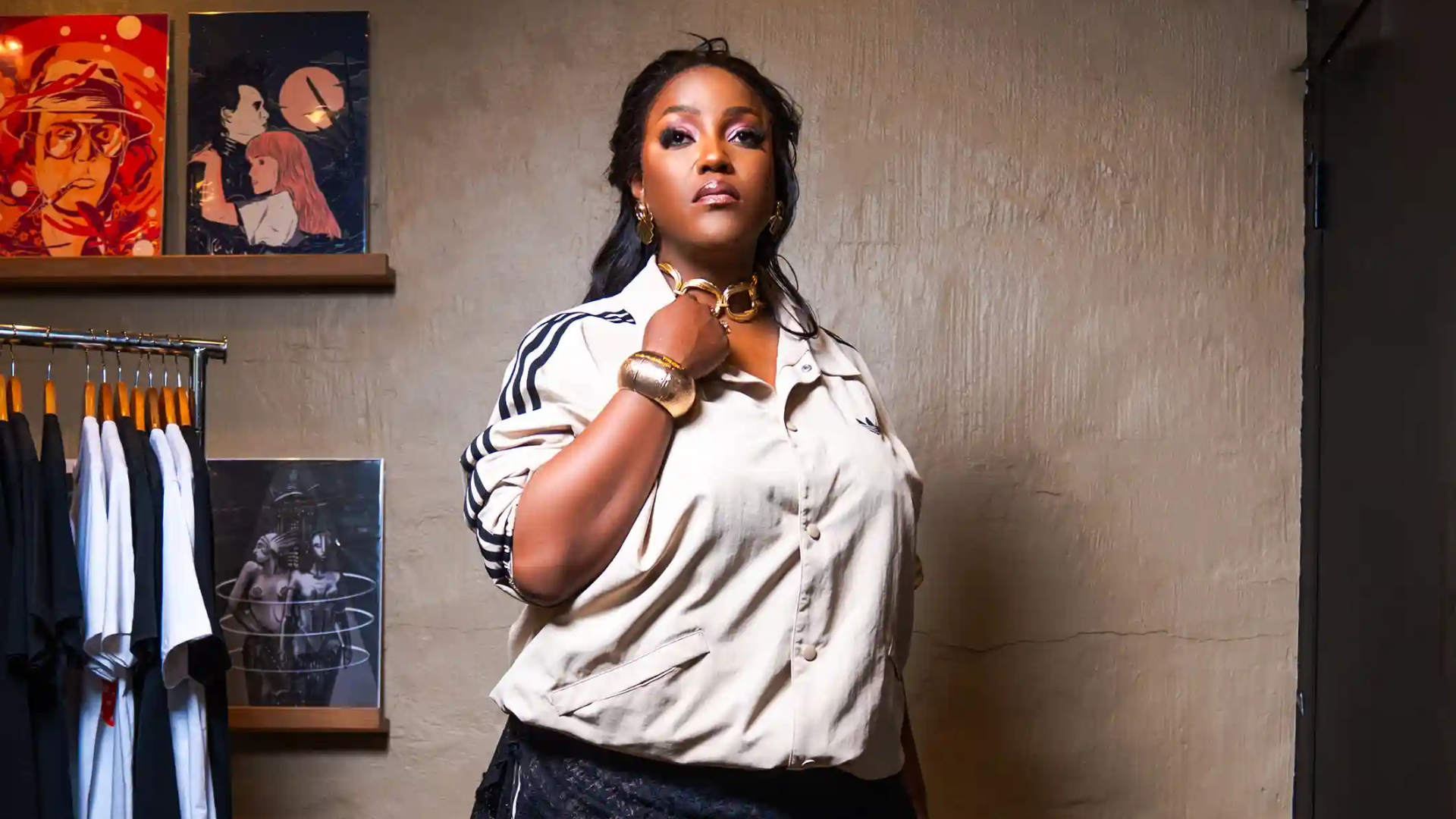
This year’s cohort includes A LETTER, Charlie Constantinou, E.W. Usie, Francesca Lake, Gui Rosa, Johanna Parv, Karoline Vitto, Liza Keane, LUEDER, OCTI, Oscar Ouyang, Pauline Dujancourt, Petra Fagerström, Steve O Smith, The Ouze and Yaku. Francesca Lake, Gui Rosa and Petra Fagerström join the scheme as new recipients.
“BFC NEWGEN has long been a launchpad for some of the most internationally-recognised names in British fashion, supporting emerging designers as they build creatively ambitious and commercially viable businesses,” says Laura Weir, Chief Executive, British Fashion Council.
London-based multidisciplinary artist and designer Francesca Lake joins this year’s NEWGEN cohort, showcasing her multidisciplinary approach shaped by storytelling, cultural memory and material exploration. Originally from Kingston, Jamaica, Lake works across garment construction, installation, ceramics, film and prose, using fashion as a means of amplifying lived Jamaican experience on a global stage. A graduate of Central Saint Martins, her work combines academic research with deeply personal narratives, building visual worlds that expand contemporary ideas of Caribbean representation.
Swedish designer Petra Fagerström creates garments inspired by the blurred boundaries between physical and digital life. After graduating from Central Saint Martins in 2025 – where she co-won the L’Oreal Young Talent Prize during her MA presentation – and working in Paris’ fashion scene, Fagerström has been developing a practice centred on textile innovation and construction-led design. Known for her signature lenticular pleating – which transforms from transparent to opaque through movement, or reveals from monochrome to unexpected floral prints – her work balances precision craftsmanship with a futurist sensibility. We were particularly impressed by her AW26 presentation, which took inspiration from the icy glamour of figure skating coach-mums, translated into fur-trimmed leather skirts, double-layered puffer coats, and a dazzling silver sequin dress, intricately draped to create rose-shaped adornments. Most recently, she has been selected as a finalist for the illustrious LVMH Prize.
Portuguese designer Gui Rosa has built a distinct visual language through theatrical crochet, subversive tailoring and an unapologetically maximalist approach to craft. Based in East London, Rosa’s work often explores tensions between masculinity, ornamentation and performance, blending couture techniques with distressed textiles, embellishment and handwork learned from his grandmother in Lisbon. Across collections and film projects alike, his practice embraces contradiction and finds beauty in excess, humour and discomfort in equal measure.


This year’s NEWGEN arrives amid the BFC’s wider push towards longer-term infrastructure for emerging designers, pairing London Fashion Week showcasing opportunities with financial grants, production funding and ongoing mentorship. Beyond runway visibility, the scheme offers practical operational support spanning everything from casting, show production and venue access to legal counsel, business development and financial mentoring. The programme’s renewed focus, according to Weir, is on giving designers deeper long-term support beyond visibility alone.
At a moment when fashion’s top jobs continue to circulate between many of the same male creative directors, it also feels significant to see women designers like Lake and Fagerström entering this year’s cohort alongside craft-focused artisans like Rosa. The imbalance at the top of luxury fashion has become increasingly stark in recent years, despite women making up the majority of fashion graduates and consumers, with women holding just 10 of 35 creative director positions across major luxury houses in 2025, according to Vogue Business. While there is much improvement still to be made across the industry in creating a more equitable landscape beyond the straight white male status quo, incubators like NEWGEN remain vital in shaping who gets the opportunity to build lasting creative careers – and ultimately, who gets to shape fashion’s future at the highest level.
Additionally, the BFC offers a variety of scholarships for fashion students and business grants for emerging designers, including BFC Saint Laurent Scholarship, BFC Chanel Scholarship, BFC Dior Scholarship, BFC Joe Casely-Hayford Scholarship and BFC Barbour Scholarship – and applications for these programmes are open now.
To mark the announcement, we spoke to new recipient Gui Rosa about balancing couture techniques with subversive edge, formative London Fashion Week memories and what NEWGEN support will unlock for the brand moving forward.


To audiences new to your work, how would you describe your design aesthetic?
It utilises the principles of couture and artisanat, pairing them with a heavier, brass-like edge in order to amalgamate pieces which simultaneously contain the mundane and the, if I may, remarkable. Take an item that speaks to me, such as a cashmere cardigan, and juxtapose it with a skirt, meticulously binding them together with stitched and eyelet-hammered leather. I like the contrast between the immaculately made but familiar, and the explosion of pattern and intarsia happening below the waist, where excitement should take place. There’s a hierarchy of pieces, some of which are incredibly baroque and some of which the story has been digested and broken up into palatable items.
I like the contrast between the immaculately made but familiar, and the explosion of pattern and intarsia happening below the waist, where excitement should take place.
Can you share a LFW or fashion week experience that was influential in your early development, or has helped shape how you think about your own runways or presentations?
I’ll respond with a fashion week blind item: I have fond memories of working on a designer’s first collection [when I was] out of graduation, an outing which involved an eclectic range of pieces, from duck taxidermy tweed chaps to pearl-embellished casts of their own body. We worked on these through the night, sipping on tins of Heinz tomato soup, encircled by the morning’s riches after having spent all the budget on a dilapidated church for a venue. It’s touching how London thrives in its contradictions: beauty mired in bleakness.
What will being part of this year’s BFC NEWGEN cohort allow you to experiment with, develop or approach differently within your practice?
It will give the pieces an all-encompassing view, grant them movement and an ecosystem to live within and respond to. The studio will continue to focus on made-to-order clothing, but with a bigger margin to experiment and keep pushing the limit of how garments can be assembled.
Enjoyed this story? Help keep independent queer-led publishing alive and unlock the BRICKS Learner Platform, full of resources for emerging and aspiring creatives sent to you every week via newsletter. Start your 30-day free trial now.
The post Meet the New Class of BFC NEWGEN Designers appeared first on BRICKS Magazine.