Men’s Health Awareness Month: Routine care and early screening remain critical for Black males at every age
By Andrew Hall AFRO Intern ahall@afro.com Men’s Health Awareness is recognized each year during the month of June. According to the World Health Organization (WHO), the life expectancy of the average man is five to seven years shorter than that of the average woman. This mortality gap exists largely because men are less likely to […] The post Men’s Health Awareness Month: Routine care and early screening remain critical for Black males at every age appeared first on AFRO American Newspapers.
 Black News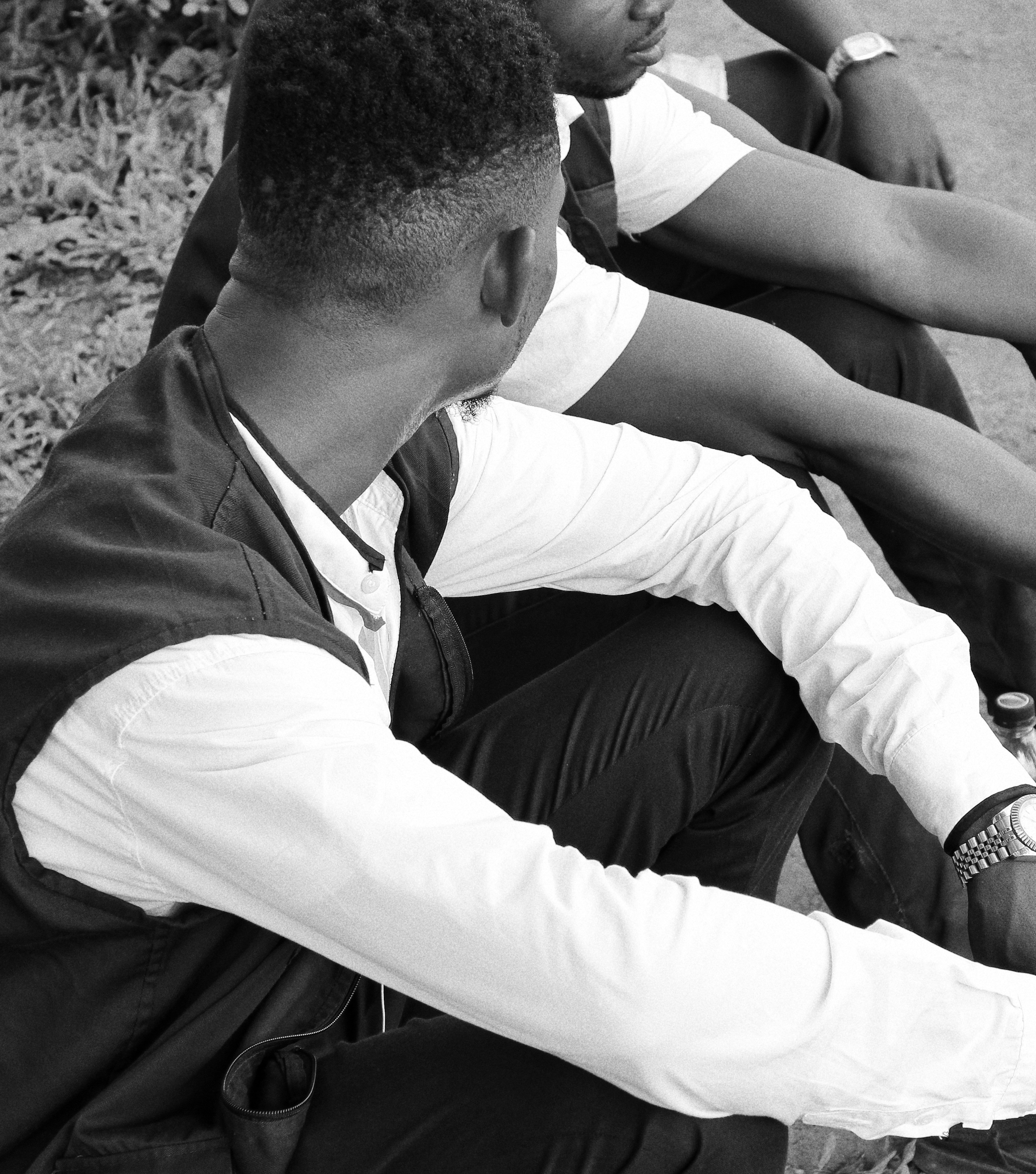

By Andrew Hall
AFRO Intern
Men’s Health Awareness is recognized each year during the month of June.
According to the World Health Organization (WHO), the life expectancy of the average man is five to seven years shorter than that of the average woman. This mortality gap exists largely because men are less likely to seek routine healthcare than women.

Photo Credit: Unsplash / Kemi Taiwo
For men, particularly those in the Black community, not only is there a lack of health knowledge, but there are also stigmas that discourage them from taking action on all aspects of their health.
The Urology Care Foundation notes Black men face significant health disparities, largely due to socioeconomic factors and systemic healthcare barriers. The leading physical concerns are cardiovascular disease, prostate cancer, diabetes and HIV/AIDS.
Data from the American Heart Association (AHA) shows that about 62 percent of Black men live with high blood pressure. The American Cancer Society reports that Black men are nearly 73 percent more likely to develop prostate cancer and over twice as likely to die from it compared to white men.
Various U.S. health agencies also proved that Black men face significantly higher rates of type 2 diabetes compared to other groups, which increases the risk of kidney disease and vision complications. Black men remain disproportionately affected by new HIV diagnoses and African Americans also have the highest lifetime prevalence of Post-Traumatic Stress Disorder (PTSD) of any racial group in the U.S. For Black males specifically, the lifetime prevalence of PTSD is 6.3 percent.
The trend between these diseases is they all require early, proactive screening and lifestyle management. Oftentimes, when these diseases are diagnosed, they’re caught too late to fight them off. For many Black men, prioritizing health fades into the background as they attempt to navigate the waves of life and stay above water on a day-to-day basis.
Men’s Health Awareness Month places great emphasis on the mental aspect of health. The Center for Disease Control and Prevention (CDC) notes that suicide is the third leading cause of death for Black men ages 15 to 24. Even further, Black men are four times more likely to die by suicide than Black women. Despite this, the U.S. Department of Health and Human Services (HHS) Office of Minority Health states that Black men are 36 percent less likely than the overall U.S. population to receive mental health treatment.
In an interview with the AFRO, Quinton Myers, a psychiatric mental health nurse practitioner (PMHNP), discussed the various mental health issues Black men can face.
“The biggest mental health issues that men face are depression, anxiety, bipolar disorder–even schizophrenia,” Myers said. “There are all types of anxieties. Post-traumatic stress, social anxiety, specific phobias. There’s a myriad of mental health issues that men can actually have.”
Large-scale national psychiatric and epidemiological studies underscore Myers’ claim.
According to the CDC, “Among men aged 18–44, non-Hispanic black and Hispanic men were less likely than non-Hispanic white men to report daily feelings of anxiety or depression.” The agency found that “the significant racial and ethnic disparity in treatment utilization was associated with lack of health insurance coverage.”
According to Myers, neglected mental health can turn into a stressful disorder that affects everyday life. A health issue can grow and grow until it can no longer be ignored.
“It’ll keep pecking and pecking, and then it’ll eventually break to the point where it becomes a disorder,” he said. “It changes them as far as their daily functioning, maybe not being able to go to work or decompensating to the point where they’re just not functioning.”
PMHNPs, like Myers, play a unique role in the health field. As advanced registered nurses, they have the power to assess, diagnose and treat mental health and substance abuse disorders. Only about 1 percent of nurse practitioners in America are Black men. According to Myers, representation for Black men in the healthcare field remains important.
When asked how Black men in Baltimore can access adequate healthcare, Myers encourages the use of resources.
“There’s more programs available than there were before. Now there’s a plethora of resources available for people to get mental health treatment,” he said. “Before, people thought they were stuck. Now, you have the ability to find someone like-minded who can help you appropriately.”
For Black men, mental health issues can start as early as adolescence. The aforementioned stigmas surrounding men’s mental health are often passed down to young boys from older generations. For years, it wasn’t seen as masculine or acceptable for men to be open about their feelings and emotions. This means, for young Black boys, they are rarely given the opportunity to express themselves openly.
According to the Pew Research Center, the suicide rate for Black youth, aged 10-17, rose 144 percent from 2007 to 2020. Between 2013 and 2019, there was a 50 percent spike in suicide rates among Black males between the ages of 15 and 24. The CDC also revealed that Black boys between the ages of 5 and 12 are twice as likely to commit suicide than their white peers. These staggering statistics reflect an urgent need for society to address mental health awareness in the young black male community.
Sports have often served as an outlet for Black boys. In the eyes of Darereis Montgomery, young Black athletes should place emphasis on their mental health.
“Your mental health is the birthplace of your increase or decrease,” said Montgomery. “Being able to have your mind mentally strong and have your emotions mentally strong allows you to be more adaptable. You’re able to manage pressure differently, you’re able to manage change differently.”
As the boys’ Varsity Track and Field coach at Woodlawn High School, Montgomery works closely with Black youth. Understanding the pivotal role that coaches can play in a young athlete’s life, Montgomery uses his coaching to develop boys into men.
“Our job is to mentor, especially in our community, there’s a stigma in the Black community that dads are not present, so mothers look to coaches to mentor their sons,” he said. “I think even outside of health, caring about the person—before they provide any type of service to you on the field, on the court, on the track—is what’s most important.”
Montgomery highlighted the importance of reading and maintaining spiritual awareness as ways young Black men can increase their mental capacity.
Male athletes playing high intensity sports like track and field, basketball or football can be susceptible to mental or physical health issues long after they finish playing. When asked how he prepares his young men for clean health after leaving his program, Montgomery stressed the importance of building a strong foundation.
Montgomery said he focuses on “just building them up while they’re here, trying to again teach them that you have to take care of yourself.”
“As men in general, there’s a stigma that we don’t go to the doctors, or we don’t want to take medicine,” he said. “I don’t know if that’s like a pride thing or where that stems from, but those are the things that if we take care of early on, it could help with any future health issues that we may have.”
The post Men’s Health Awareness Month: Routine care and early screening remain critical for Black males at every age appeared first on AFRO American Newspapers.