Nairobi to Host 2029 World Athletics Championships
Nairobi will host the 2029 World Athletics Championships, the first time the sport’s premier global showcase has ever been awarded to an African city. World Athletics President Sebastian Coe confirmed the decision on September 15, after the organization’s 26-member Council picked Kenya’s capital over Munich, Rome and London during a meeting in Budapest. Munich takes [...]
 Black News
Nairobi will host the 2029 World Athletics Championships, the first time the sport’s premier global showcase has ever been awarded to an African city. World Athletics President Sebastian Coe confirmed the decision on September 15, after the organization’s 26-member Council picked Kenya’s capital over Munich, Rome and London during a meeting in Budapest. Munich takes the following edition, in 2031, as a consolation.
The World Athletics Championships is track and field’s own global championship, held every two years and second in profile only to the athletics competition at the Olympics. Sprinters, distance runners, jumpers and throwers from every competing nation gather for roughly nine days to decide individual world champions across about 50 events, from the 100 meters to the marathon. Unlike the Olympics, which bundle in dozens of unrelated sports, the World Championships belong to track and field alone, and hosting one means building or renovating a stadium to a standard the sport’s own governing body signs off on, not just filling seats for a football match.
President William Ruto called it “Kenya’s moment, Africa’s moment and a victory for generations of athletes who made our nation synonymous with excellence on the track, on the road and cross country.” He added that “the World Athletics Championships are coming home,” a line that plays on Kenya’s decades of dominance in distance running, now paired for the first time with the right to host the sport’s biggest meet.
Why Nairobi Won the 2029 World Athletics Championships Bid
The bid leaned on a hosting record World Athletics already trusted, and on a hard lesson from the last time Kenya tried. Nairobi bid for the 2025 championships and lost to Tokyo, with World Athletics citing concerns at the time about venue readiness. This time, the city came back with a renovated Kasarani Stadium (48,000 seats) that is being overhauled anyway for Kenya’s role co-hosting the 2027 Africa Cup of Nations with Uganda and Tanzania, plus a completed record of smaller global meets: the World U18 Championships in 2017 and the World U20 Championships in 2021, both run without major incident. Coe called the pitch a “compelling and emotional bid.” Ruto said the government has committed roughly $78 million toward the event itself, on top of a wider push that has 32 stadiums under construction nationwide.
Athletics Kenya president Gen. (Rtd) Jackson Tuwei, who is also a World Athletics vice president, had pushed for the hosting rights since the 2025 loss. “We might have missed the chance, but I believe we can still host it in 2029,” he said at the time. “We are going to bid again because Kenya has always been voted for as an athletics powerhouse.”
Kenya’s Cabinet Is Already Counting the Tourism Dollars
Beyond the athletics, Kenyan officials framed the win as an economic one. Tourism Cabinet Secretary Rebecca Miano called hosting the championships “the ultimate invitation to the world to experience Magical Kenya,” describing it as a historic moment for Africa and a major win for the country’s tourism sector specifically. Cooperatives and MSMEs Cabinet Secretary Wycliffe Oparanya said the event would create business and employment opportunities beyond the stadium itself, strengthening Kenya’s position on the international sporting stage. Early estimates circulating in Kenyan media put the potential economic injection in the hundreds of billions of shillings, driven by tens of thousands of visiting athletes, officials, media and fans filling hotels, restaurants and tour operators over the championships’ run. None of those figures are independently audited yet, three years out from the event, but the government’s early messaging is treating the championships as a tourism campaign as much as a sporting one.
A Win With a Caveat
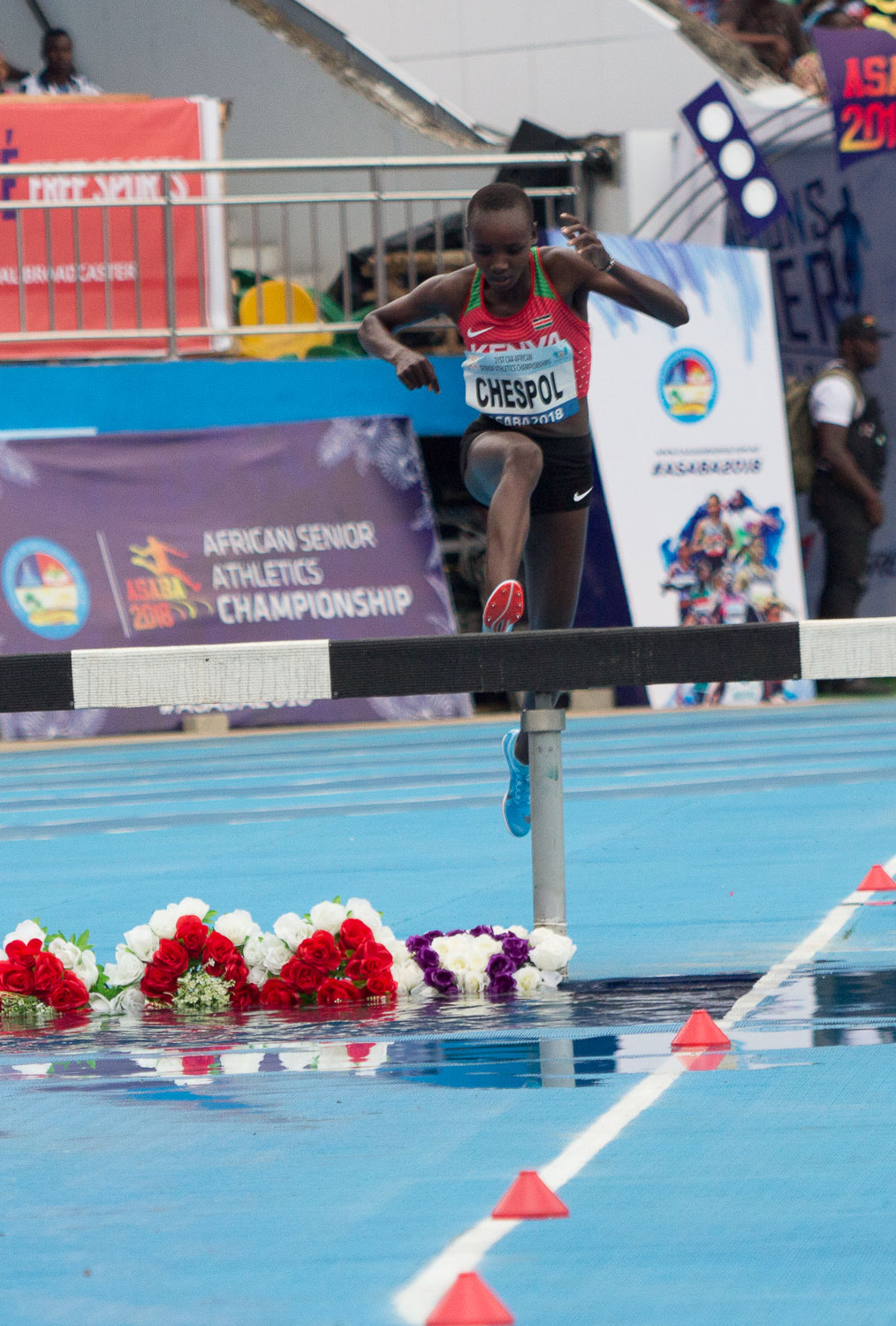
The announcement lands only days after a reminder that Kenya’s track dominance is not automatic. At the inaugural World Athletics Ultimate Championship in Budapest, held September 11 to 13, both Kenya and Ethiopia, the sport’s two traditional distance-running powers, finished the three-day meet without a single medal, an unusual result for either country at a global championship. The two facts sit side by side without canceling each other out: Kenya has just won the right to host athletics’ biggest stage in 2029, and it still has work to do to keep dominating it once the championships arrive.
Part of a Broader Pattern
Nairobi’s win adds to a run of major sporting events landing on African soil this year, and Kenya specifically is stacking hosting duties on top of each other: the same Kasarani Stadium renovation being built out for the 2027 Africa Cup of Nations, which Kenya is co-hosting with Uganda and Tanzania, will double as the athletics venue two years later. Morocco hosted this year’s Women’s Africa Cup of Nations in Rabat, another data point in the same direction. A world championship in track and field, though, is a different scale of event entirely, one that puts Kenya in the same company as the small list of cities (Tokyo, Budapest, Eugene, Beijing) that have hosted it before. Ruto thanked World Athletics “for the confidence placed in Kenya” and pledged a championship that reflects the country’s athletics heritage while meeting global standards. The next scheduled step is Kenya’s own preparation window, with three years until the bidding promises, and the tourism projections, get tested against an actual event.