New levies could sink small radio stations
New levies proposed by the Communications Regulatory Authority of Namibia (Cran) will dramatically increase the annual fees small broadcasters are required to pay the government. The regulatory authority published a proposal in the Government Gazette of 24 April, announcing its intention to switch from a progressive fee structure to a fixed one. While the current […] The post New levies could sink small radio stations appeared first on The Namibian.
 Black News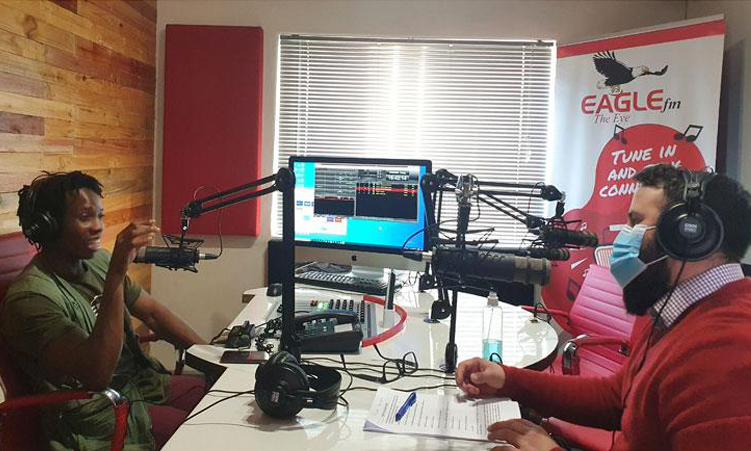
New levies proposed by the Communications Regulatory Authority of Namibia (Cran) will dramatically increase the annual fees small broadcasters are required to pay the government.
The regulatory authority published a proposal in the Government Gazette of 24 April, announcing its intention to switch from a progressive fee structure to a fixed one.
While the current structure has allowed broadcasters with small annual incomes to pay low fees, the new structure will require them to pay 1.2% of their revenue in regulatory levies.
“I don’t think we will be able to handle this [financially],” Otji FM owner Terry Ujamba told The Namibian yesterday.
Although the radio station is still calculating how large the financial impact of these new regulations will be, Ujamba said traditional media such as radio houses are already under tremendous financial strain from the shift to digital platforms.
Small stations, however, still provide a service to local communities, Ujamba said.
“We tend to be the voice of the voiceless. We work so that the community feels like they’re being heard,” he said.
The current system of levies is progressive, meaning radio stations with smaller annual revenues are required to pay less than 1% of this to the authority every year.
The new proposal would require all broadcasters to pay a fixed levy of 1.2% of their income.
This would hit smaller broadcasters, which currently pay far below 1% of their revenue, the hardest.
A company with a revenue of N$10 million currently pays N$1 000 per year in regulatory fees.
According to the new structure, that same company would now pay N$120 000.
EagleFM station manager Hee-Dee Walenga yesterday said the broadcaster would feel an immediate impact in operational expenses.
“The purpose of the levy is to help Cran recover from its self-reported under-recovery of N$118 million.
It would be interesting to have a detailed discussion with the regulator on why this shortfall exists in the first place,” he said.
Walenga, however, said it was important to follow the regulator’s rules and regulations.
Cran says it proposes the changes to both telecommunication and broadcasting licence fees and levies in order to cover the costs of regulating these sectors.
“The Communications Amendment Act of 2020 establishes the rationale for the regulatory levy, namely to fund Cran’s regulatory costs fairly and sustainably,” the proposal reads.
The current fees are based on data from June 2021, which Cran calls “an outdated baseline” that does not account for inflation.
“As the regulatory environment evolves, the authority has experienced increased operational and compliance costs necessary to support effective sector oversight,” the proposal states.
Licence fees will also increase, according to the proposal.
In addition, telecommunications companies will be expected to pay a fixed 2.25% regulatory levy.
Cran yesterday told The Namibian it had considered the challenges faced by broadcasters, and therefore proposed a lower levy than that for the telecommunication sector.
The post New levies could sink small radio stations appeared first on The Namibian.