Nigerian court orders final forfeiture of $154.6 million in assets linked to former justice minister Malami
A Federal High Court in Abuja has ordered the permanent forfeiture of assets worth about $154.6 million (N212.8 billion) linked to former Attorney-General and Minister of Justice Abubakar Malami, delivering one of Nigeria’s biggest civil asset recovery victories in recent years.
 Black News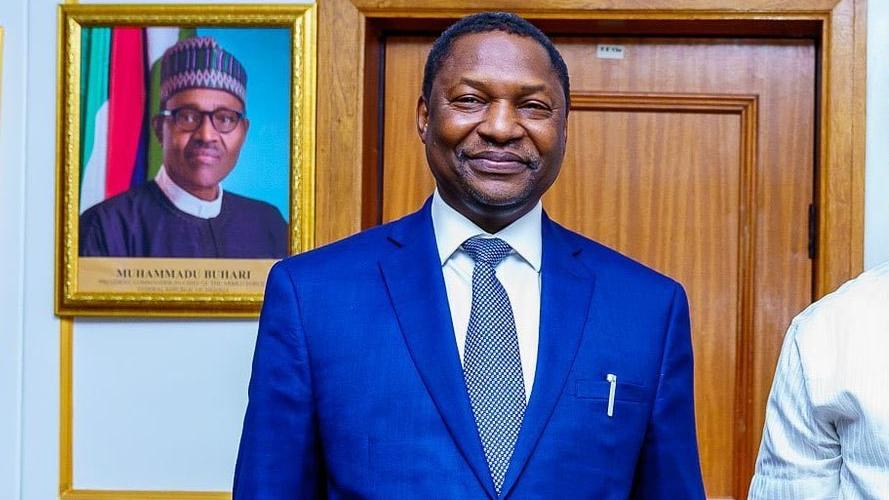

A Federal High Court in Abuja has ordered the permanent forfeiture of assets worth about $154.6 million (N212.8 billion) linked to former Attorney-General and Minister of Justice Abubakar Malami, delivering one of Nigeria’s biggest civil asset recovery victories in recent years.
- A Nigerian court has ordered the permanent forfeiture of assets worth about $154.6 million (N212.8 billion) linked to former Attorney-General and Justice Minister Abubakar Malami.
- The ruling grants the EFCC one of its biggest civil forfeiture victories in recent years, although the court declined to forfeit nine other properties.
- The decision is separate from Malami’s ongoing criminal money laundering trial, where he has pleaded not guilty.
- The judgment underscores Nigeria’s continued use of civil forfeiture laws to recover assets suspected to be proceeds of crime.
Justice Joyce Abdulmalik ruled that the Economic and Financial Crimes Commission (EFCC) had established reasonable grounds to show that the properties were acquired with proceeds suspected to be from unlawful activities rather than legitimate income.
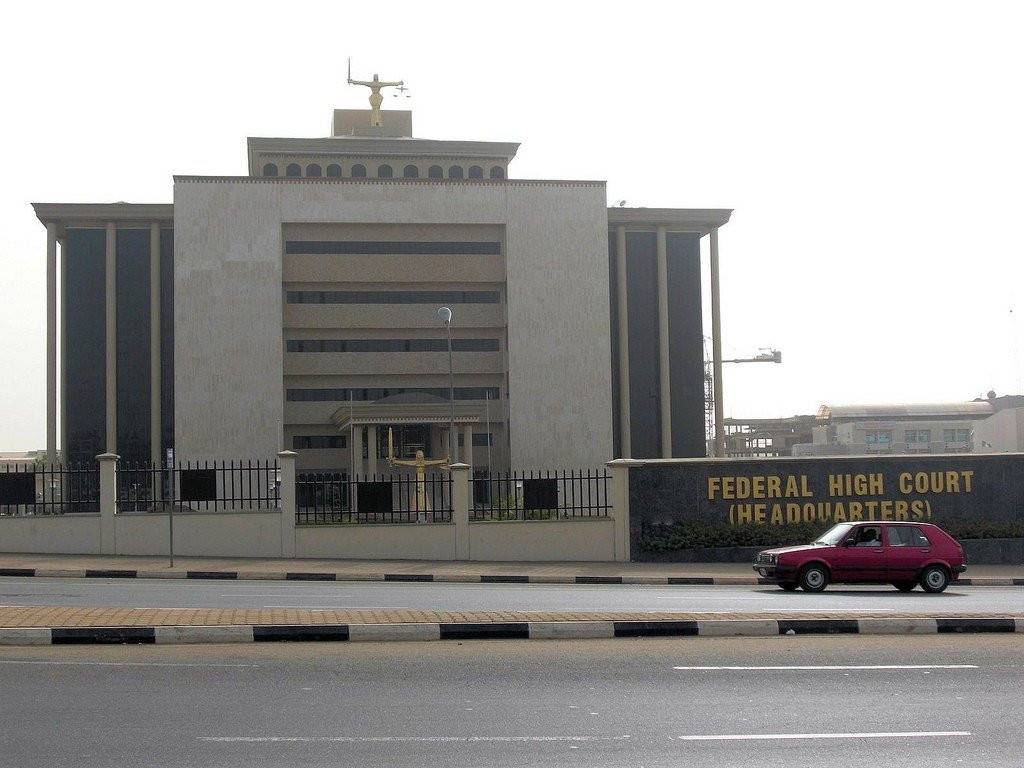
The ruling follows civil forfeiture proceedings filed by the anti-graft agency against 57 properties linked to Malami and companies associated with him.
DON'T MISS THIS: Nigeria’s largest asset seizure linked to the jailed ex-central bank governor
While the court granted the final forfeiture of 48 properties, it declined to permanently seize nine others after finding that the EFCC had not sufficiently established that they were proceeds of crime.
The assets covered by the forfeiture order include a luxury duplex in Abuja, a university campus, an agro-allied factory and several residential and commercial properties spread across northern Nigeria.
In her judgment, Justice Abdulmalik dismissed objections filed by Malami, members of his family and companies linked to the assets, holding that they failed to rebut the EFCC’s evidence.
The judge said the central question before the court was not who owned the properties, but whether the funds used to acquire them came from legitimate sources.
She held that the respondents failed to disprove the reasonable suspicion that the assets were acquired through unlawful activities, paving the way for their permanent forfeiture.
The latest ruling marks a significant step in the EFCC’s long-running investigation into Malami, who served as Nigeria’s chief law officer between 2015 and 2023 under former President Muhammadu Buhari.
The civil proceedings are separate from the former minister’s ongoing criminal prosecution. Malami is facing 16 counts of alleged money laundering and conspiracy involving billions of naira in a separate case filed by the EFCC. He has pleaded not guilty, and the criminal trial is continuing.

Unlike criminal proceedings, Nigeria’s civil forfeiture framework allows courts to confiscate assets suspected to be proceeds of crime without waiting for the conclusion of a criminal trial.
Prosecutors must satisfy the court that there are reasonable grounds to believe the assets were acquired through unlawful means, after which affected parties have an opportunity to prove otherwise.
DON'T MISS THIS: 5 important things we observed from MTN Nigeria’s 2018 results
The judgment reflects the Nigerian government’s continued reliance on civil forfeiture as a key tool in its anti-corruption strategy, particularly in cases involving high-value assets.
Supporters argue the approach helps prevent suspected proceeds of crime from being dissipated during lengthy criminal trials, while critics have raised concerns about due process and the need to balance asset recovery with constitutional property rights.
The ruling is one of the most significant asset recovery decisions involving a former senior public official in recent years and is likely to remain closely watched as Malami’s criminal case proceeds through the courts.