Quilombola: Invisible African States in Brazil’s Heartland

Deep in the Amazon and across Brazil’s interior heartland, thousands of quilombola communities – founded by Africans who liberated themselves from enslavement – continue to live by the values and forms their ancestors built from freedom. The road to the quilombo of Kalunga, in the Cerrado highlands of Goiás state, takes several hours by dirt […]

Quilombola: Invisible African States in Brazil’s Heartland

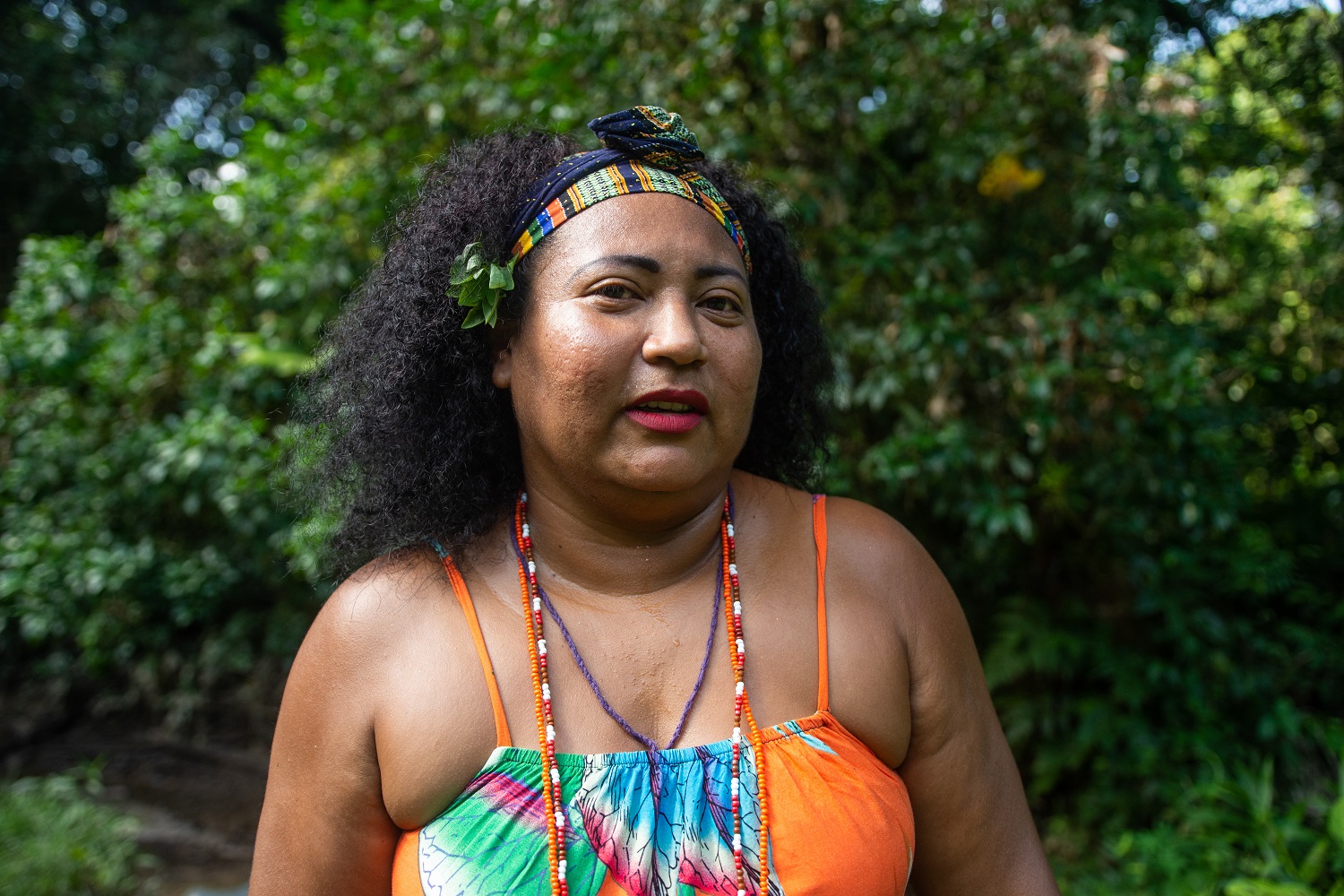
Deep in the Amazon and across Brazil’s interior heartland, thousands of quilombola communities – founded by Africans who liberated themselves from enslavement – continue to live by the values and forms their ancestors built from freedom.

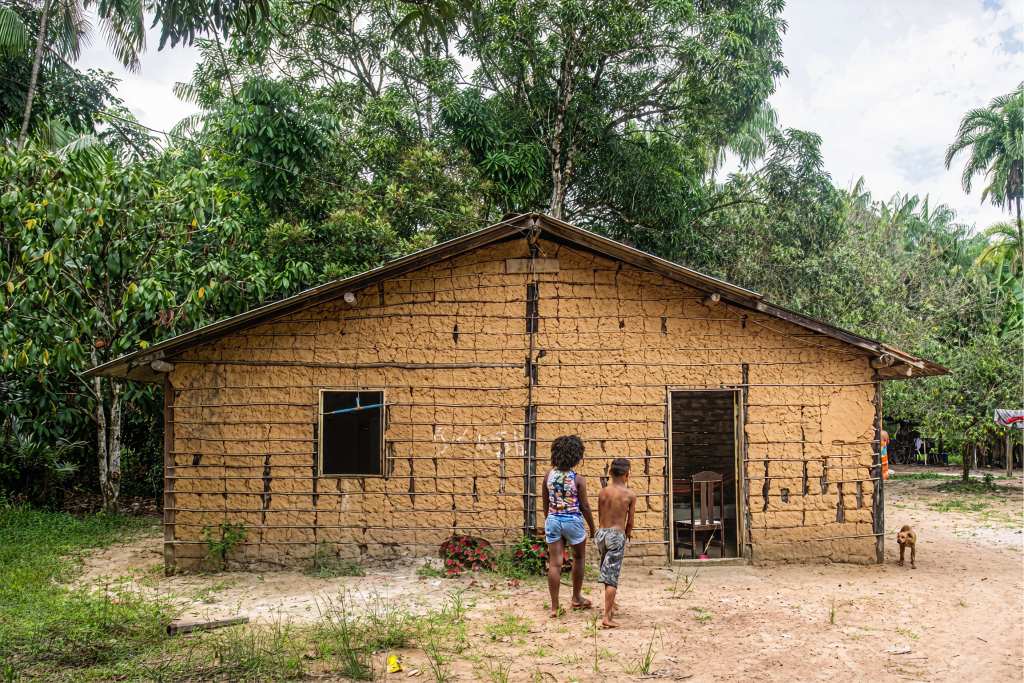
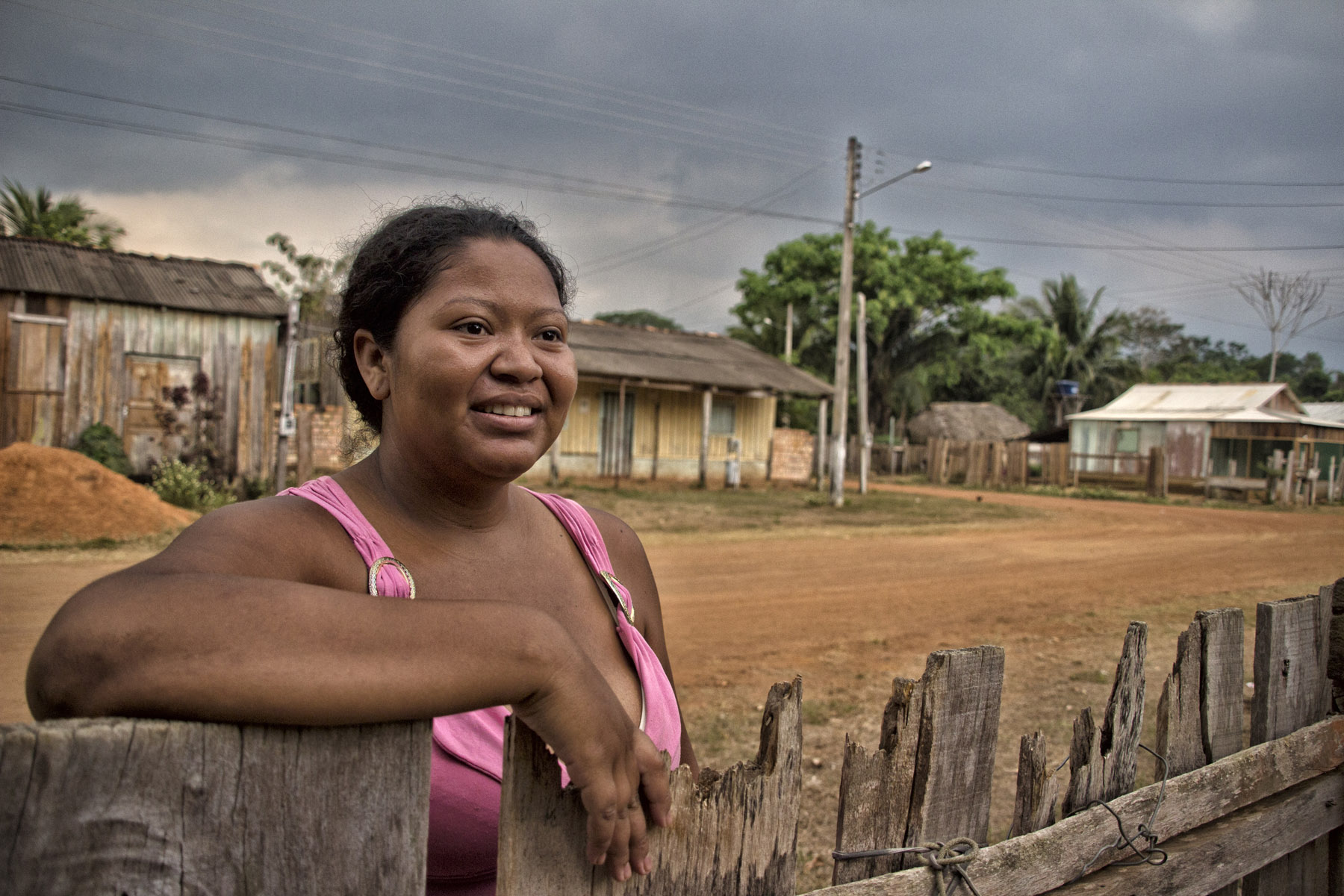
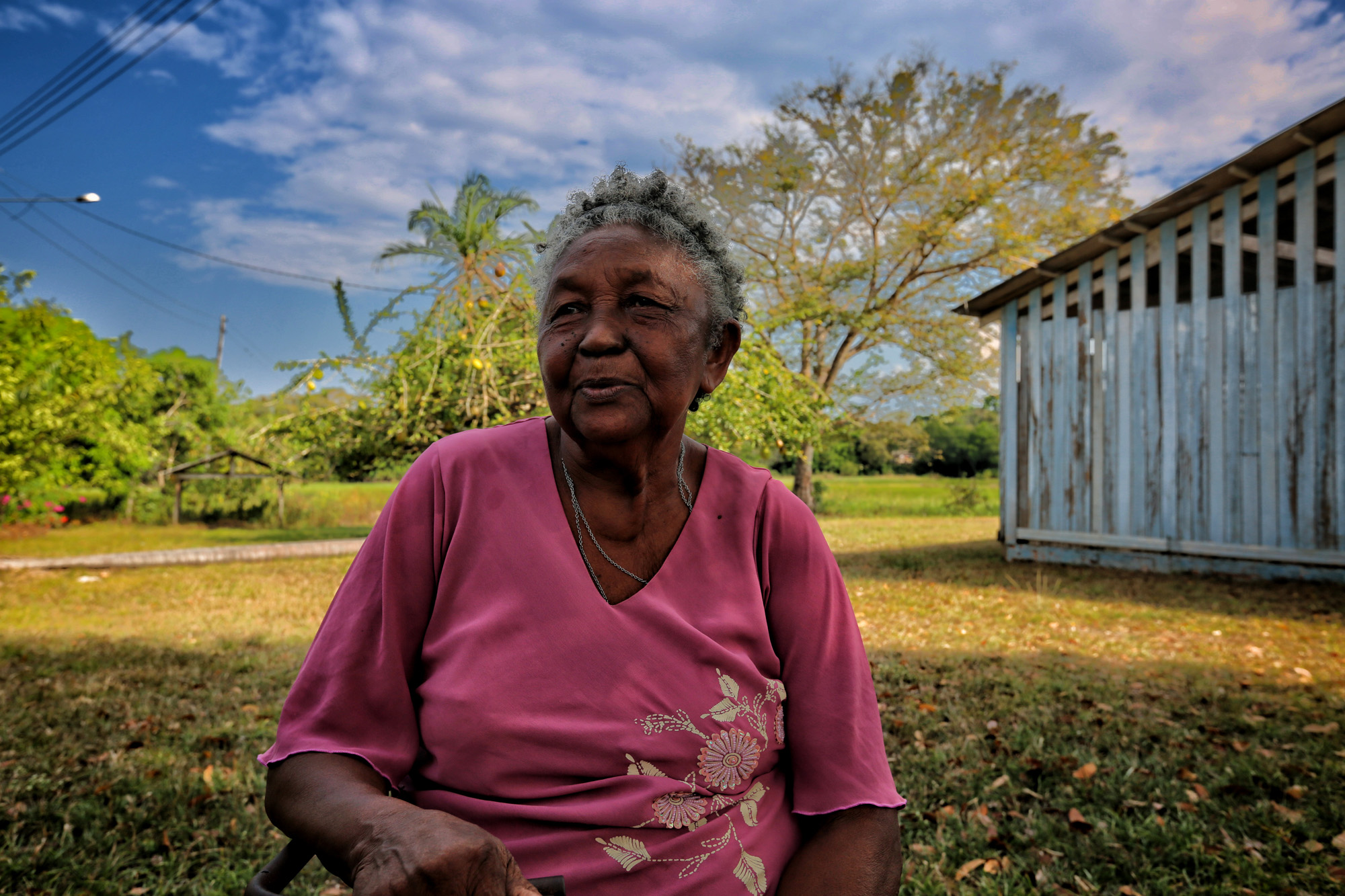
The road to the quilombo of Kalunga, in the Cerrado highlands of Goiás state, takes several hours by dirt track from the nearest town. The landscape is dramatic and spare: red earth, twisted trees, a sky hanging lower and closer than it should. The people who live here, some 4,000 of them spread across a territory spanning three municipalities, did not arrive by accident. Their ancestors chose this place precisely because no one else wanted it and because in its remoteness lay a freedom available nowhere else.

Quilombos were communities established by Africans who escaped enslavement in colonial Brazil; people who ran, fought their way out, and refused the conditions imposed on them to ultimately build something entirely new in the interior. The word itself (“quilombo”) comes from the Kimbundu language, spoken by the Bantu peoples of present-day Angola – “kilombo” referring to a warrior camp, a place of organised resistance and collective life. Brazil’s quilombos were exactly this, not merely refuges but functioning states and communities with their own governance, agriculture, spiritual practice, and systems of law.

The most celebrated quilombo in Brazilian history was Palmares, a confederation of settlements in the present-day Alagoas state that at its height housed an estimated 20,000 people and survived for nearly a century – resisting multiple military expeditions before finally falling in 1694. Its leader, Zumbi dos Palmares, went on to become the central figure of Brazilian Black consciousness and is now commemorated annually on 20 November: the national day of Black Awareness. Palmares was the dramatic peak of a far broader story, in fact.

Across Brazil, quilombo communities formed wherever enslaved people could reach marginal land: in the Amazon basin, Bahian interior, highlands of Minas Gerais, and across the deep south. They developed in relative isolation – adapting African agricultural, spiritual, and social systems to Brazilian ecologies – and traded with neighbouring Indigenous communities and free Black and mixed-race populations in colonial towns, building webs of solidarity that the official record largely chose not to see.

The Brazilian constitution of 1988 formally recognised quilombola communities as the rightful occupants of their ancestral territories, granting them land rights based on historical occupation. The legal process of titling those lands, however, has played out as a slow and contested process, persistently obstructed by agricultural interests and state indifference though the recognition itself marked a genuine turning point. More than 6,000 quilombola communities are now formally certified across Brazil, with hundreds more pursuing certification.

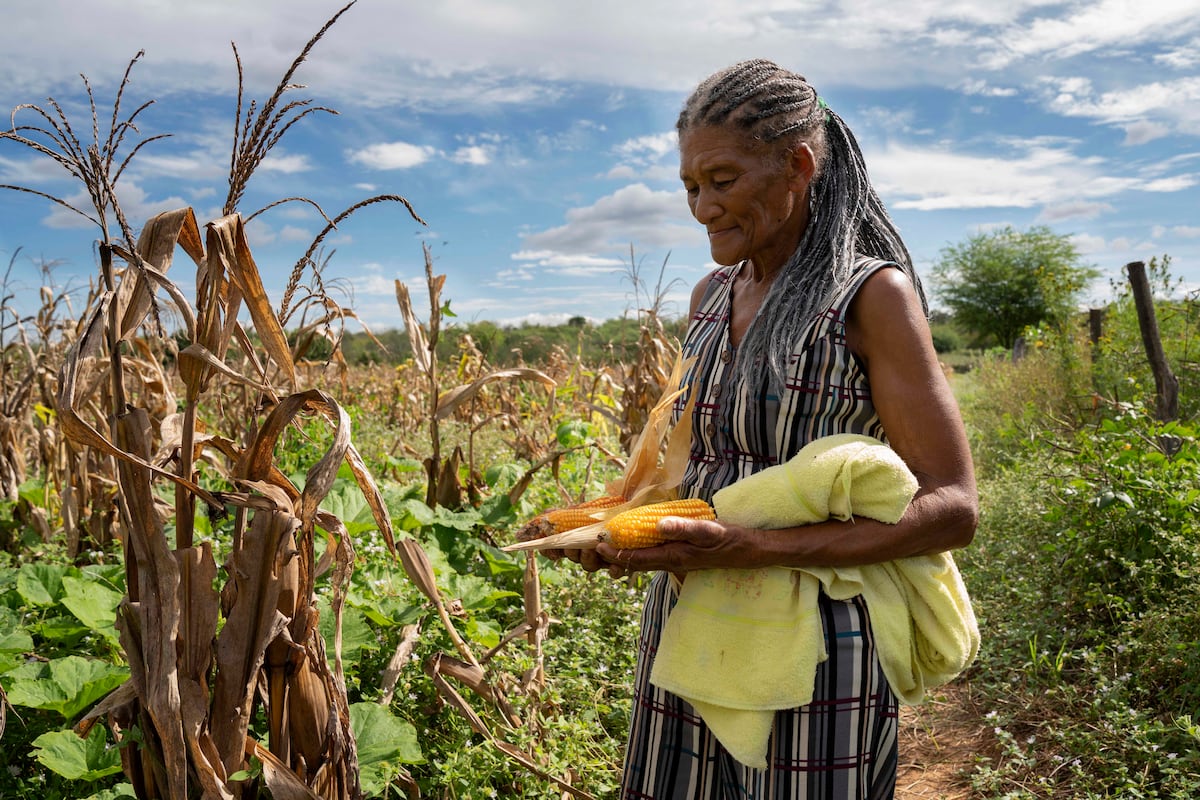
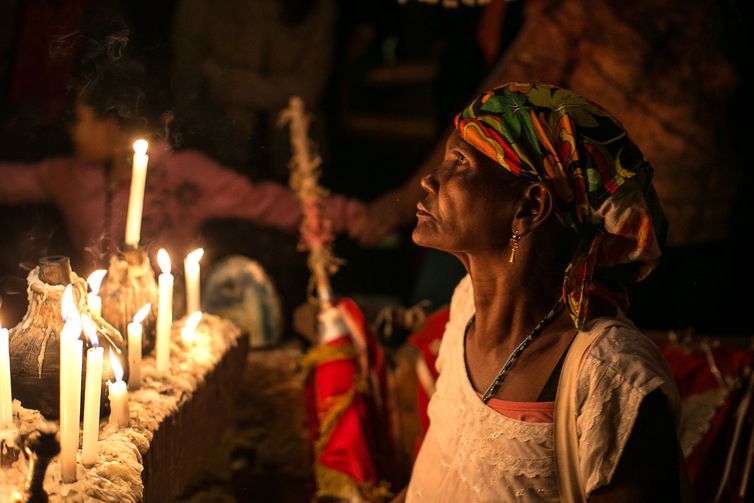
In these communities, African cultural forms have survived in ways that are less visible but often more complete than in urban settings. The jongo of south-eastern Brazil and the tambor de crioula of Maranhão retain direct structural links to Bantu musical traditions. Healing practices draw on Angolan and Congolese botanical knowledge, adapted over centuries for Brazilian plants. Agricultural methods developed in the quilombos represent sophisticated ecological intelligence that contemporary food sovereignty movements are only now beginning to recognise as valuable.

The quilombola communities are archives in the truest sense, not paper archives but living systems where knowledge is held in practice, land-use, and ceremony and how a community organises itself around water, a harvest, and the memory of those who came before.

The continuum here is not metaphorical but territorial. It is the land itself, held by communities whose ancestors chose freedom over safety and built – deep in the interior of someone else’s country – a world answering to no one but itself.

That world endures, one of the most radical acts in the history of the African diaspora baked into its endurance.

“That world endures. And in its endurance is one of the most radical acts in the history of the African diaspora.”