Reese McHenry Forever
Spider Bags was loud. But Reese McHenry herself was somehow louder than the entire band.It was July 15, 2017 at The Pinhook in Durham. Amelia Riggs was at the release show for Bad Girl, the collaborative album between raucous Durham rock and rollers Spider Bags and locally beloved vocalist
 Black News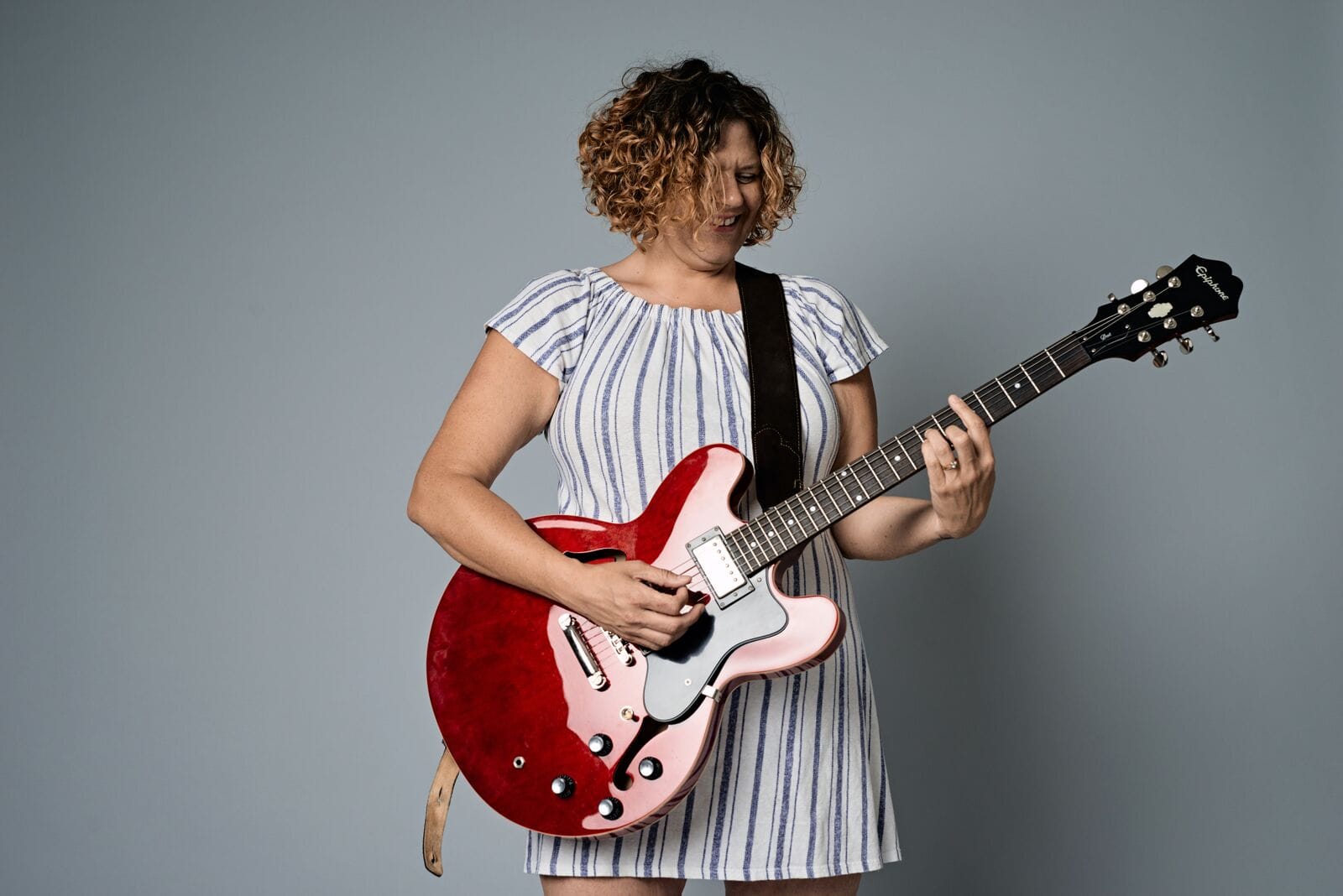

Spider Bags was loud. But Reese McHenry herself was somehow louder than the entire band.
It was July 15, 2017 at The Pinhook in Durham. Amelia Riggs was at the release show for Bad Girl, the collaborative album between raucous Durham rock and rollers Spider Bags and locally beloved vocalist and songwriter McHenry. Riggs could feel McHenry’s voice through the vibrating Solo cup in her hand. That night, like many others before her, it was Riggs’ turn to be converted by McHenry’s power and presence. It wasn’t long before they were close friends.
“I have the poster for that show hung up. I will never get rid of that,” Riggs says. “That was a core night for me.”
In February 2026, Riggs released the single “Vibrating Plastic Cup for Reese McHenry.” It opens sparse and intimate and grows slowly, as she sings of walking around in a daze on the gray, drizzly day in November 2024 that McHenry died of sarcoma. “How do you write a song that it hurts to finish?” Riggs wonders as the drums enter.
For 24 years, McHenry was a respected member of the Triangle music scene of Durham, Raleigh and Chapel Hill, North Carolina. It’s my scene, too. I was mainly involved as a music journalist at local alt-weekly INDY Week, from 2009 until 2016. Upon my arrival, I got the clear sense that I had just missed something special, as McHenry’s powerhouse heavy blues-rock band Dirty Little Heaters had recently dissolved because of her first set of health problems. I got to feature McHenry in a 2011 INDY story, as her friends rallied in support after her numerous strokes and cardiac issues. Later, I got to see her get back on her feet, as if indestructible, and making music again. She had incredible energy. If I ran into her at a show, for instance, I could never spot her first. Somehow, she was always running up to me, all smiles, a foul-mouthed hurricane of enthusiasm and warmth.
That 2009 and 2010 sense that I had missed something special faded as McHenry kept getting back on her feet, kept doing shows, kept making records, such as the Spider Bags collaboration Bad Girl and 2019 McHenry record No Dados. This whole time, she was influencing and impacting the lives of actual generations of local musicians in one of the United States’ most fertile music scenes.
In the end, McHenry went two rounds with soft-tissue cancer sarcoma — one in 2022 and another in 2024. She succumbed on November 14 of that year at just 51 years old. And though the second round killed her, as a three-time cancer survivor, I know that she did not lose her battle; she locked horns with the monsters that meant to end her. I know that every day she lived, she pulled from the jaws of certain death.
Last month, Suah Sounds released posthumous collection Forever, featuring 12 songs selected from the hundred or so McHenry was working on when she died. True to McHenry, the songs on Forever resist easy categorization, ranging from heartrending opener “Mississippi Blue” to the foul-mouthed, punk nihilism of “I Don’t Care About Nothing Anymore.” She leans rural folksy on “Birch Tree Melody,” coffeeshop pensive on “Liz Phair’s Johnny,” and steamroller relentless on catchy hard rockers “Absolution, Baby” and “Unfuck Your Friends.” Thirty more tracks are available via a download code that comes with the LP, culled with the help of her husband, Justin.
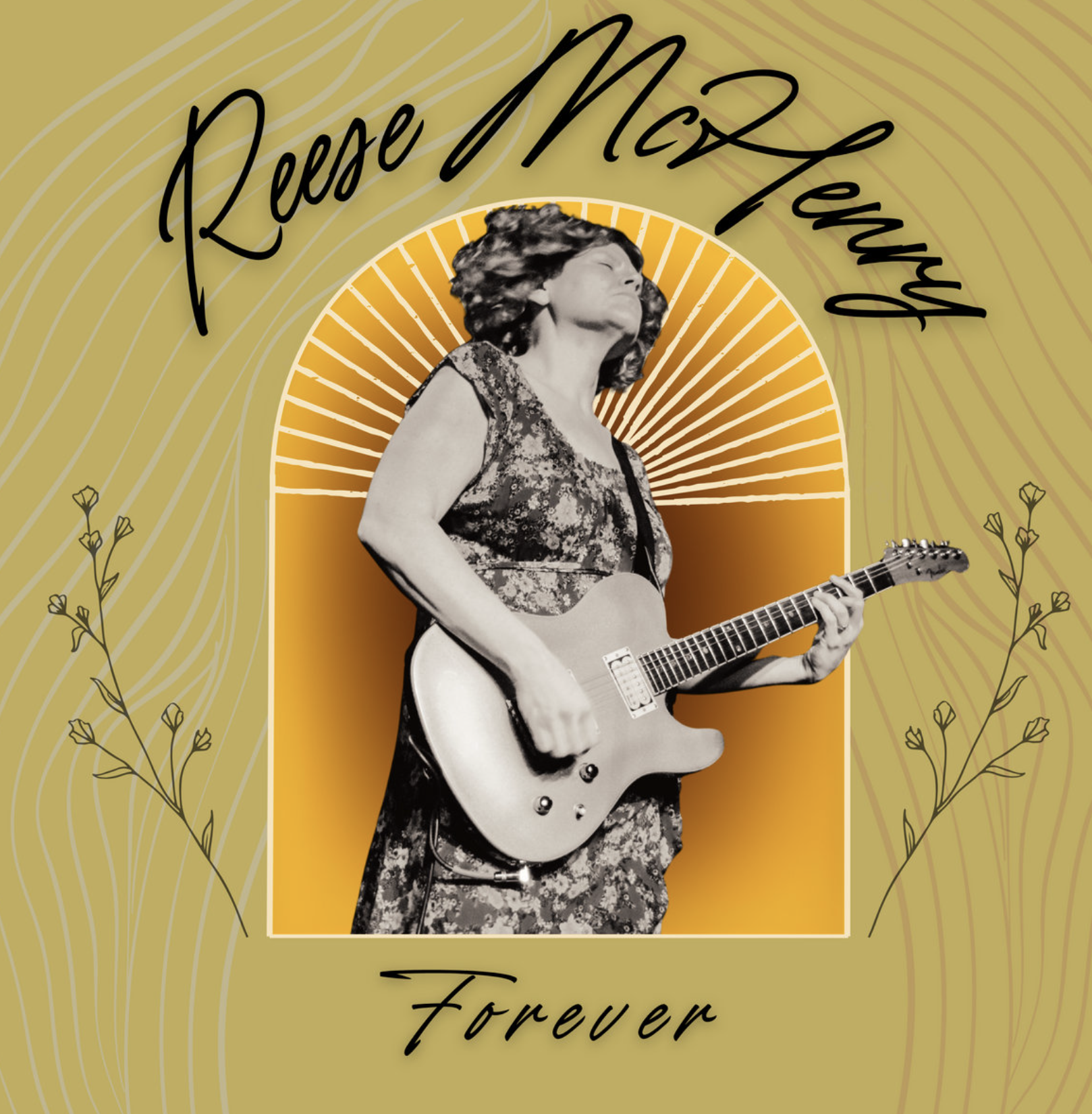
Sixteen months after McHenry’s passing, her loss still cuts deeply in the Triangle’s music scene. Her spirit and influence both resonate in the musicians, label heads, and venue owners who were her closest friends. They knew a loyal, true friend who just happened to be a generational talent.