
Retired generals warn Mnangagwa over term extension, allege $31m bribery fund for MPs
They tell MPs voting for the bill would be a ‘constitutional transgression that will carry enduring and serious political consequences’
 Black News
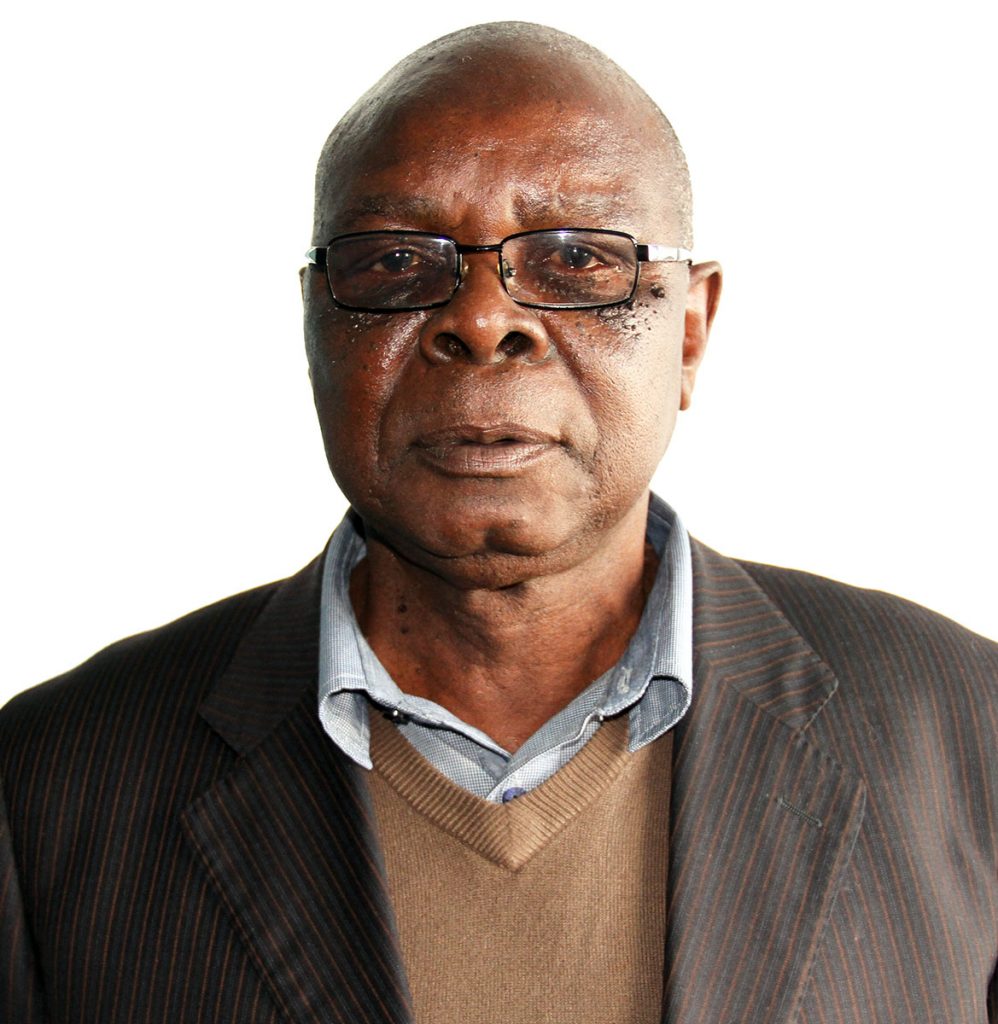 Retired Air Marshal Henry Muchena
HARARE – A group of retired generals and former senior civil servants has issued a blistering statement accusing President Emmerson Mnangagwa of being the “principal architect and principal beneficiary” of the Constitutional Amendment (No. 3) Bill, alleging that a $31 million fund was set aside to buy parliamentary votes and naming businessman Kudakwashe Tagwirei as the financial engine behind the push.
The government introduced the bill to parliament for its first reading on Tuesday. Justice minister Ziyambi Ziyambi has signalled their intention to rush it through both houses of parliament before sending it to Mnangagwa for his assent.
The legislation would extend Mnangagwa’s term by two years to 2030 and increase presidential terms from five years to seven. His supporters also want presidents to be elected by parliament rather than by direct popular vote.
Mnangagwa, 83, is constitutionally required to step down in 2028 after serving two five-year terms. The bill has drawn criticism from a fractured opposition and some veterans of the country’s liberation war.
Political analysts expect the bill to sail through parliament: Zanu PF holds a two-thirds majority in the lower house and overwhelmingly controls the upper house through traditional leaders and other proxies who generally vote with it, giving the ruling party the numbers required to change the constitution.
Ziyambi has said he expects the legislative process to have been concluded by the end of June.
Retired Air Marshal Henry Muchena, speaking on behalf of the group – whose other members have not been publicly disclosed – said they had formally petitioned parliament in March 2026 and subsequently held two face-to-face meetings with Mnangagwa, meetings that ended without resolution.
ZimLive understands Mnangagwa met with eight members of the group, including Muchena, on May 18, where the generals stated their opposition to the amendments.
Mnangagwa asked them to reconvene the following day, but when they arrived the president was flanked by Ziyambi and attorney general Virginia Mabhiza, who made presentations defending the public consultation process and arguing that no referendum was required.
Mnangagwa was described as combative. When the generals raised their concerns about the bill’s constitutional implications and warned of the alienation of citizens and Zanu PF members, the president responded: “Whoever wins, wins.”
“That response speaks for itself,” Muchena said. “It lays bare the contempt with which the constitutional concerns of citizens and members of our party are regarded at the highest level of executive authority.”
The statement goes further than the generals’ earlier public remarks, directly naming Sakunda Holdings boss Tagwirei – the politically-connected businessman who is under United States and British sanctions – as the primary financial force sustaining the process, and accusing him of operating under the belief that he is the “secondary beneficiary” of the intended amendments.
They allege that provincial Zanu PF chairmen were induced with motor vehicles and cash payments of US$100,000 each to support the bill.
The generals claim that during the 40th birthday celebration of ICT minister Tatenda Mavetera late last month, Tagwirei convened a closed caucus with ministers Ziyambi, Mthuli Ncube, Torerayi Moyo, and chief cabinet secretary Martin Rushwaya, at which a US$31 million budget for procuring parliamentary votes was discussed – with US$50,000 approved per Member of Parliament.
“These are not allegations we make lightly,” Muchena said. “We make them as men and women who have served this nation with honour, and who refuse to stand silently by while its constitutional foundations are sold to the highest bidder. It will simply not happen.”
Muchena’s statement references an application filed by activist Youngerson Matete on May 20 in the High Court, in which Matete argues that incumbent MPs and the president cannot benefit from changes to term limit provisions in the absence of two referendums held six months apart.
The generals say the legal arguments advanced are “compelling and ought to persuade any reasonable court” and declared their unqualified respect for judicial independence.
They also noted that individual Members of Parliament have been named as respondents in dozens of voter-initiated applications within their respective constituencies.
“We call upon [judges] to discharge their duty without fear or favour,” Muchena urged.
The generals issued a pointed warning to Members of Parliament, senators, and proportional representation members, warning that voting for the bill would constitute “a constitutional transgression that will carry enduring and serious political consequences for each and every individual who participates in it.”
They called on all citizens to “mobilise the electorate in active and sustained opposition” to MPs who “seek to collude with zvigananda to unlawfully extend their own terms of office, and that of the president, without the absolute consent of the voters.” Zvigananda – a Shona word for rapacious accumulators – is an informal reference to wealthy backers of Mnangagwa’s rule.
Muchena signed the statement “for and on behalf of retired generals and former senior civil servants of the Republic of Zimbabwe.”












.png?h=c12e0b96&itok=5DLPGmQb#)