Ground-Breaking Project Tracks Migratory Shorebirds from SA for the First Time!
It’s birds without borders! A first-of-its-kind project in South Africa aims to better understand the path of migratory shorebirds listed as Vulnerable on the IUCN Red List. Velddrif, South... The post Ground-Breaking Project Tracks Migratory Shorebirds from SA for the First Time! appeared first on Good Things Guy.
 Black News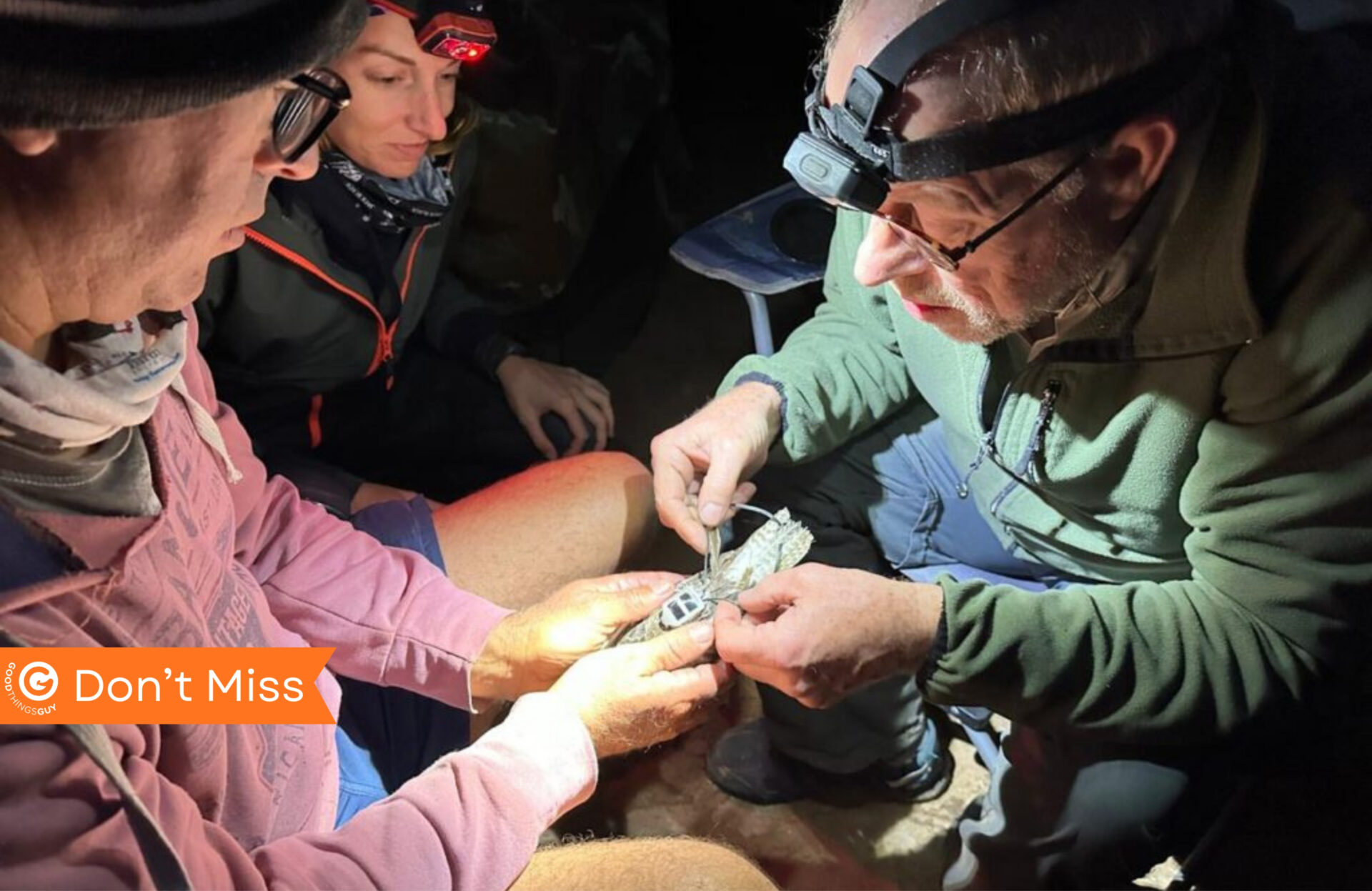
It’s birds without borders! A first-of-its-kind project in South Africa aims to better understand the path of migratory shorebirds listed as Vulnerable on the IUCN Red List.
Velddrif, South Africa (10 April 2026) – A new research initiative by BirdLife South Africa spreads its wings to uncover key conservation data about the remarkable journeys of migratory shorebirds.
At coastal sites like the Berg River estuary in Velddrif, the project focuses on tagging, colour-ringing and monitoring vulnerable species like the Curlew Sandpiper and Grey Plover, both listed as Vulnerable on the IUCN Red List.
We’ve always known these birds migrate from our shores to the high Arctic, but this project aims to finally map their exact paths along the Africa–Eurasian Flyway. In doing so, the data will help map critical habitats and inform conservation efforts for these threatened species!
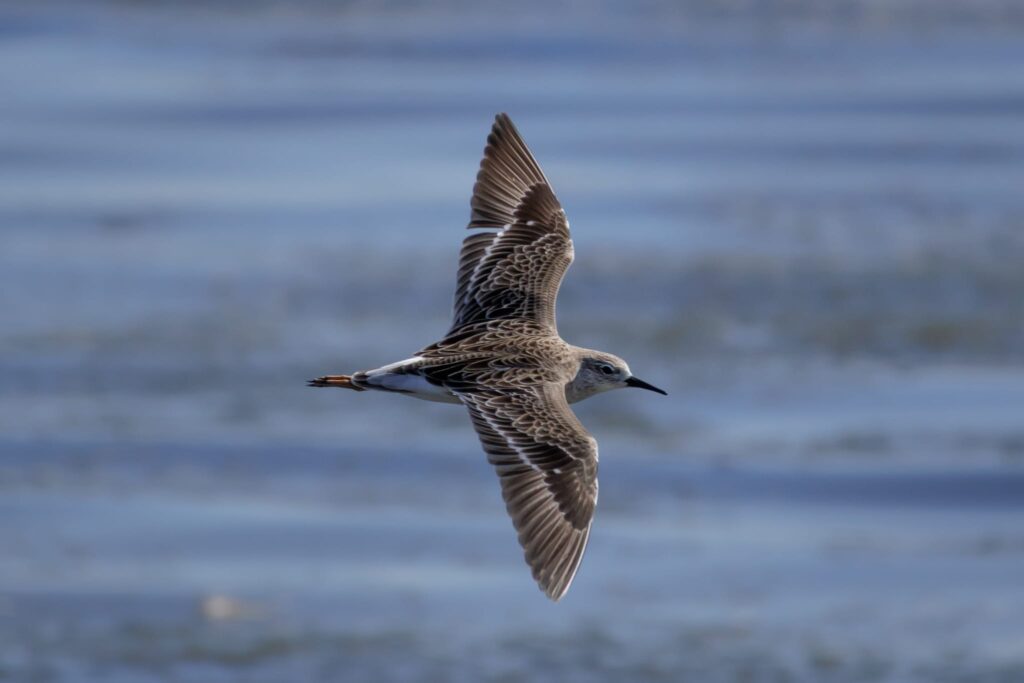
Similar studies have happened elsewhere but very few tagged birds have ever reached our neck of the woods, leaving a gap in our understanding of their routes and breeding areas. For the very first time in our country, the project will help us understand, and in the future protect migratory shorebirds as they embark on these epic migrations.
“By combining satellite tracking with on-the-ground monitoring, the project will generate high-resolution movement data, revealing migration routes, vital refuelling sites, and previously unknown connections between regions. These insights are essential for a flyway-scale approach to conservation.”
The world’s working together on this one. BirdLife in South Africa leads the project but multiple international collaborators including partners from the Department of Ornithology at the Max Planck Institute for Biological Intelligence in Germany, Wetlands International from the Netherlands, the FitzPatrick Institute of African Ornithology at the University of Cape Town and Conserve Eden in Plett are involved. The project is being funded by the Royal Society for the Protection of Birds alongside the Ecological Restoration Fund, both in the UK.
“BirdLife South Africa has worked along the West Coast for many years, and this project builds on that foundation, showing not only how landscapes are connected within South Africa, but how shorebirds link us to critical wetlands across the continent. Following the recent Ramsar Conference of the Parties 15 in Victoria Falls, it’s a timely reminder of how important these ecosystems are,” said Jessica Wilmot, Flyway & Migrants Project Manager.
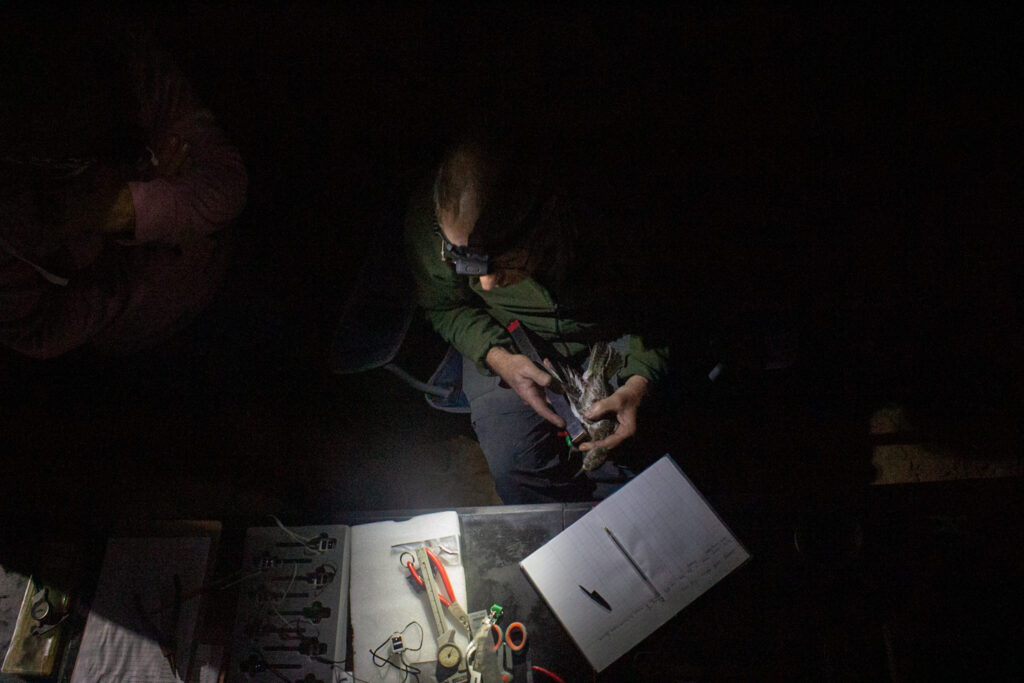
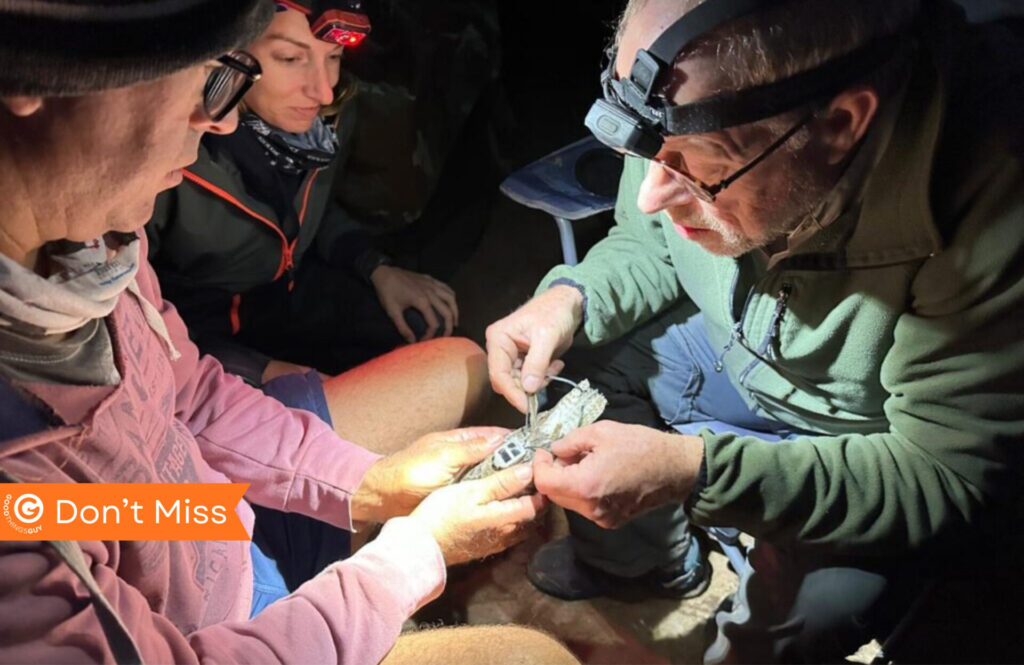
To pull off the trapping and tagging of birds, the highest ethical and technical considerations had to be made first. The team spent ten full days at the Berg River estuary, timing their fieldwork with the new moon for the darkest possible nights. They worked mostly in total darkness to keep the birds calm, as they navigated a maze of mist nets and salt-pan sludge, using thermal binoculars to monitor the area. Work was round-the-clock and the team often stayed awake until dawn to catch the shifting tides when the birds were most active.
Each bird, some weighing as little as 65 grams, was then carefully measured and fitted with a lightweight tracking device and a ring. After an observation period to make sure the birds were comfortable and moving freely, they were released back into the night.
Early data has already come in! Some birds have already reached the Sudd wetlands in South Sudan, while others are exploring Angola and Botswana.
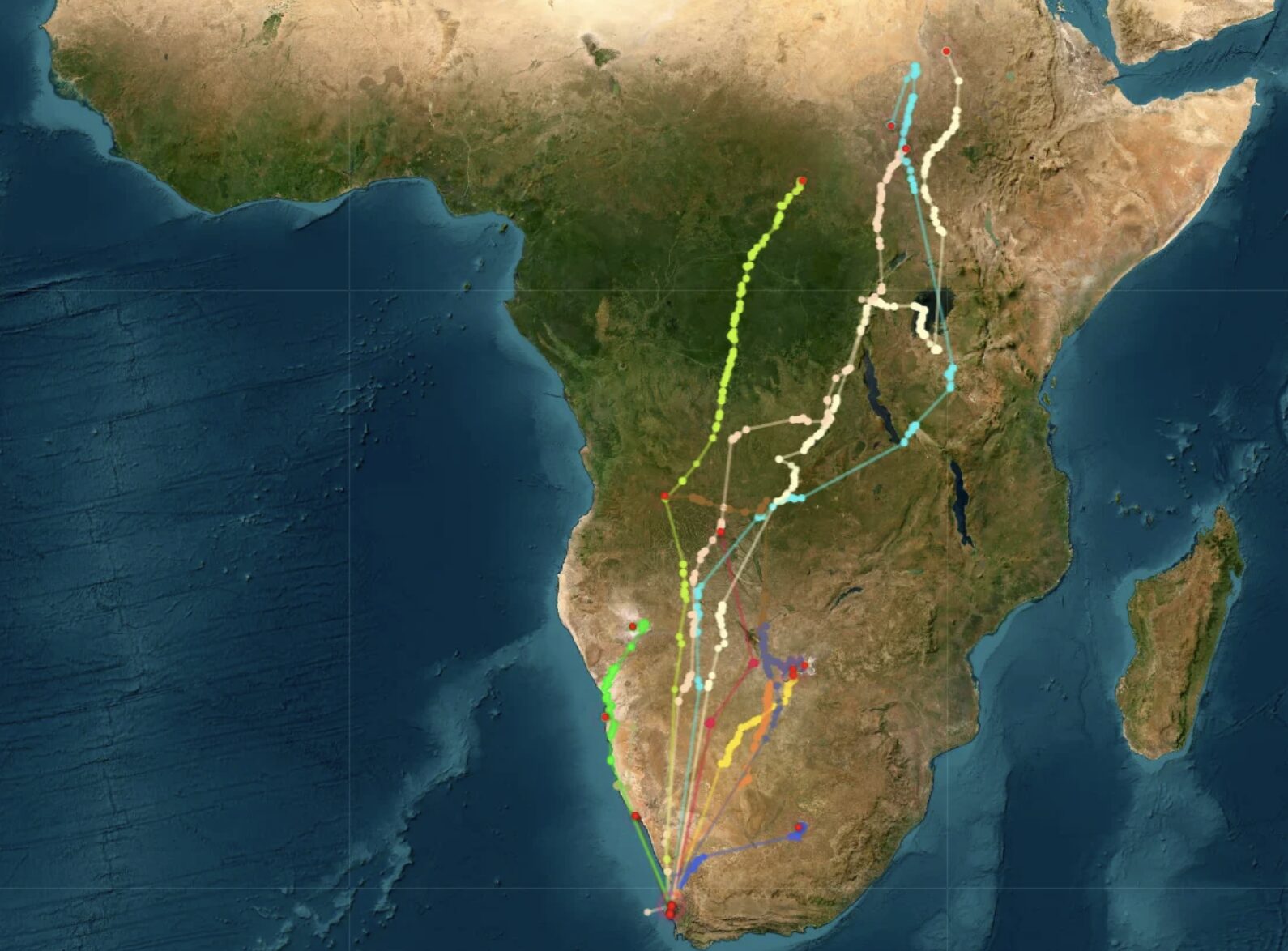
“While some individuals initially moved eastward, others began a steady northward journey along the western side of Africa. Two birds have already reached the vast Sudd wetlands in South Sudan, with another close behind in eastern Central African Republic. Two individuals are currently in Angola, while three have settled in the Makgadigadi Pans Key Biodiversity Areas in Botswana. These early movements highlight the diversity of migration strategies within the population and offer an exciting opportunity for both the public and conservation community to follow the birds in near real time.”
You can find out more about the work that went into this project and support future tracking efforts by visiting this link.
Sources: BirdLife South Africa.
Don’t ever miss the Good Things. Download the Good Things Guy App now on Apple or Google.
Do you have something to add to this story? Please share it in the comments or follow GoodThingsGuy on Facebook and Twitter to keep up to date with good news as it happens, or share your good news with us by clicking here or click the link below to listen to the Good Things Guy Podcast with Brent Lindeque – South Africa’s very own Good Things Guy. He’s on a mission to change what the world pays attention to, and he truly believes there’s good news around us. In the Good Things Guy podcast, you’ll meet these everyday heroes and hear their incredible stories:
Or catch an episode of Good Things with Brent Lindeque or our Weekly Top 5 below. The videos here are always changing, updated with the latest episodes from these two shows. Both are part of Good Things TV, created to bring South Africans balance at a time when the news can feel overwhelmingly negative. Our goal is simple: to remind you that there are still so many good things happening in our country – and to leave you feeling a little more proudly South African.
The post Ground-Breaking Project Tracks Migratory Shorebirds from SA for the First Time! appeared first on Good Things Guy.