Rooted, Black & Independent: Khy Elijah, Nasara Organics and the Fight to Keep Beauty Ours
Before beauty became billion-dollar campaigns, celebrity founders and luxury retail launches, some of the most important products in Black households were born much closer to home. They came from kitchens, salon chairs and neighborhood beauty supply stores. They were created by stylists who understood Black hair because they had spent years washing it, treating it,…
 Black News
Before beauty became billion-dollar campaigns, celebrity founders and luxury retail launches, some of the most important products in Black households were born much closer to home. They came from kitchens, salon chairs and neighborhood beauty supply stores. They were created by stylists who understood Black hair because they had spent years washing it, treating it, protecting it and listening to the women who wore it.
They came from us.
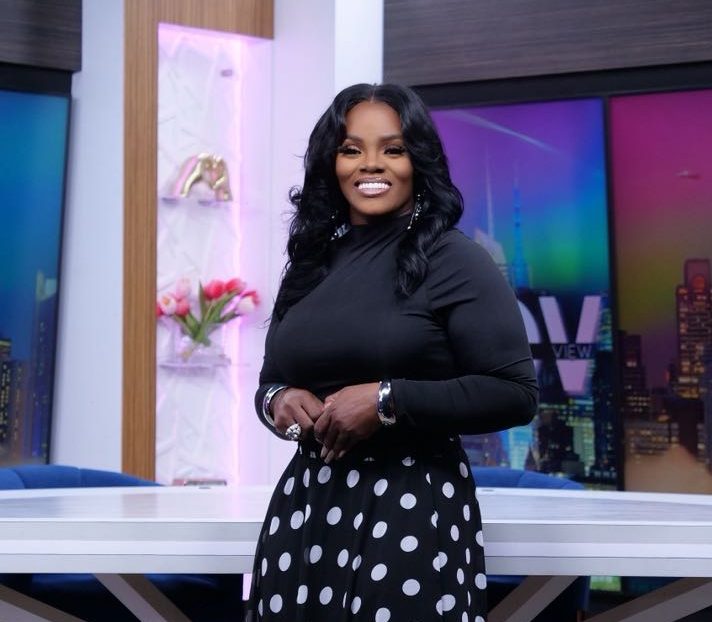
That history makes Khy Elijah and Nasara Organics especially relevant in today’s beauty landscape. At a time when Black culture continues to influence everything from product innovation to marketing, an important question remains: Is there still room for the homegrown, independently Black-owned beauty brand?
Nasara Organics suggests the answer is yes but surviving and scaling requires more than authenticity.
Elijah’s relationship with hair began long before entrepreneurship entered the conversation. According to the brand, she has spent more than two decades working hands-on in hair care, eventually building Nasara Organics around the needs of textured hair. The company says it has fulfilled more than 100,000 orders while creating products centered on moisture, strength, retention and overall hair health. That distinction matters.
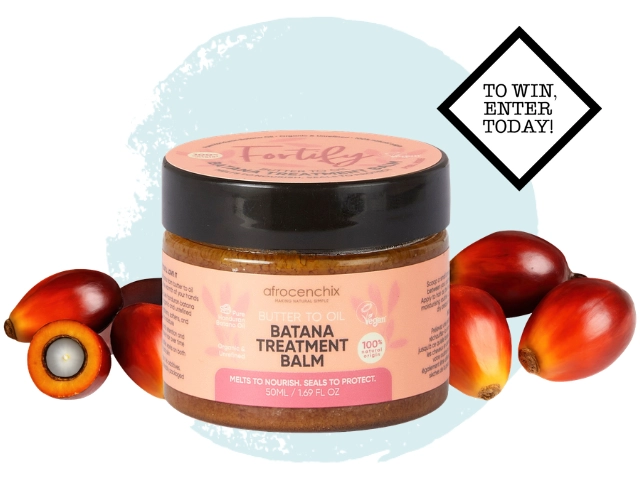
There is a difference between marketing to Black women and actually building from the lived experiences of Black women. Nasara’s lineup including its Follicle & Strand Moisturizer, Protein Potion and Pre-Poo & Sealing Oil reflects a regimen-based approach instead of chasing the latest beauty trend.
It feels almost old-school in the best way.

Product first. Education second. Community always. But in 2026, creating a good product is only the beginning. Black beauty is big business. Black ownership is another story. McKinsey research has shown that Black consumers represent a significant share of beauty spending while Black brands account for a much smaller percentage of industry revenue.
That gap raises questions that extend beyond simply getting products on shelves.
Can Black founders scale without losing ownership? Can independent companies grow without surrendering the cultural intimacy that made consumers believe in them? Can they compete against brands backed by celebrity influence, massive advertising budgets and global distribution?
What makes Elijah especially interesting in that conversation is that her business begins where Black beauty has historically begun: behind the chair.
Before analytics, influencer campaigns and national retail expansion, there was the stylist.
The professional who could recognize breakage before the client noticed it. The stylist who understood that two women with similar curl patterns might still need completely different routines. She wasn’t simply marketing healthy hair. She had to produce it.
Elijah has extended that knowledge into education through TRG University, which trains natural hairstylists through hands-on instruction.
That proximity may be one of independent beauty’s greatest advantages.
A corporation can purchase consumer research. A stylist who has spent thousands of hours working with textured hair possesses something much harder to manufacture: lived expertise.
Still, “support Black business” cannot be the entire business model.
Black ownership deserves support, but it should not require lowered expectations. Independent companies must still deliver quality products, dependable fulfillment, responsive customer service and professional operations. Like many growing businesses, Nasara has faced public customer complaints related to fulfillment and communication, highlighting a reality entrepreneurs often encounter: demand can sometimes grow faster than infrastructure.

Scaling requires staffing, inventory systems, supply chains, customer-service teams, quality control, working capital and disciplined leadership.
Consumers should be able to champion Black businesses while expecting them to improve. Accountability and support are not opposites.
Both are necessary if these companies are expected to survive for generations.
Perhaps the word “homegrown” also deserves reconsideration.
Homegrown does not mean amateur.
It means rooted.
The goal for independent Black beauty should not necessarily be to remain small. The goal should be to remain intentional while growing.
So, is there still room for independent Black beauty?
Absolutely.
There is room for brands that understand community creates awareness, but results create loyalty. There is room for founders who know the difference between going viral and building lasting value. And there is room for companies that don’t simply place textured hair in advertisements they understand textured hair inside the formulation room.
Entrepreneurs like Khy Elijah represent a tradition that existed long before social media: Black women creating solutions for Black women when mainstream beauty either couldn’t or wouldn’t. Perhaps the future of Black beauty isn’t about asking for more room on somebody else’s shelf.
Maybe it’s about building companies powerful enough to own the shelf.
Because when independently Black-owned beauty businesses thrive, the impact can extend far beyond another bottle underneath the bathroom sink.
It can create jobs. Fund innovation. Train professionals. Build infrastructure.
And, ultimately, create something even more powerful:
Generational ownership.
The next great Black beauty empire may already exist. It may simply still look homegrown.