Russian language day celebrated at UNECA ahead of global observanceBy our staff reporter
The headquarters of the United Nations Economic Commission for Africa (UNECA) hosted a high-profile diplomatic and cultural event on June 4, 2026, to mark Russian Language Day. Held ahead of the official global observance on June 6, the event was noted for strengthening the growing diplomatic, educational, and cultural ties between the Russian Federation and […]
 Black News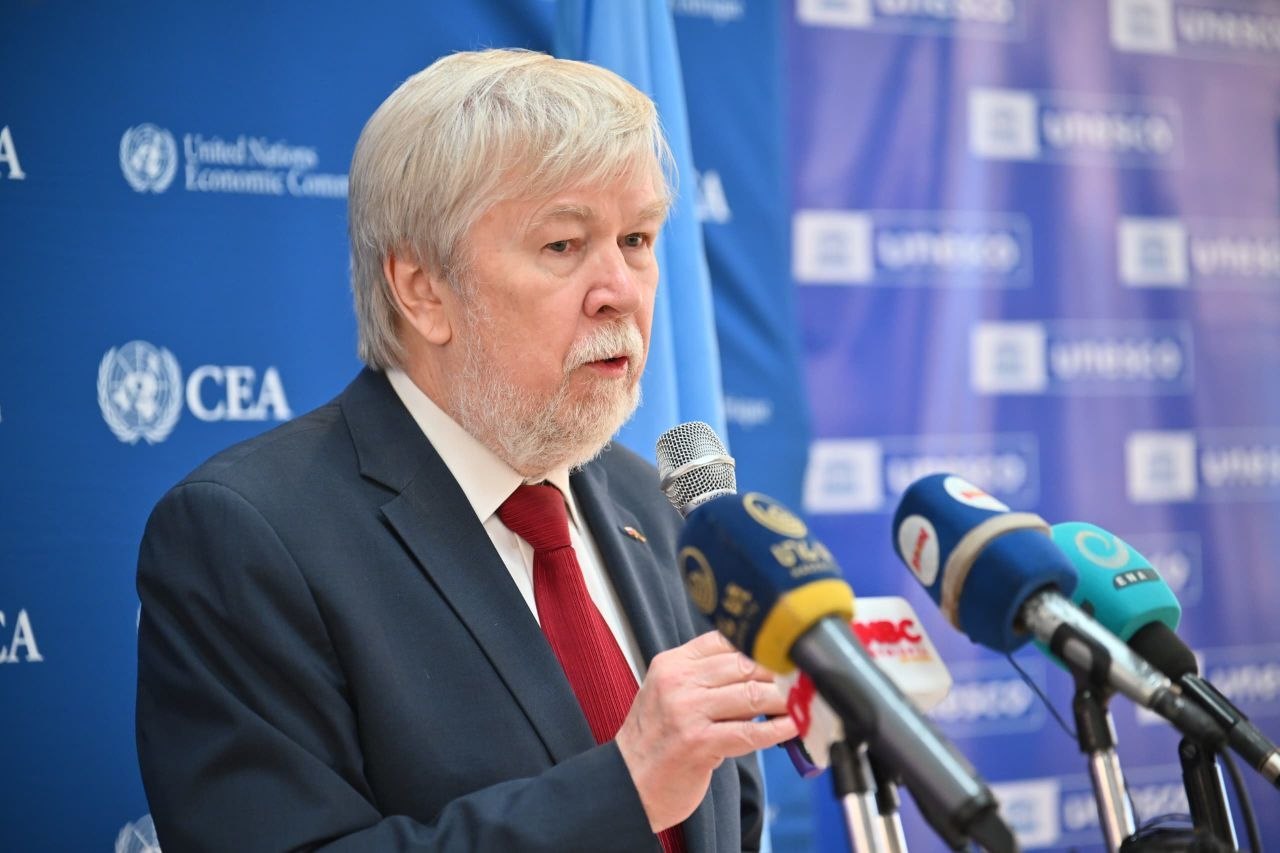

The headquarters of the United Nations Economic Commission for Africa (UNECA) hosted a high-profile diplomatic and cultural event on June 4, 2026, to mark Russian Language Day. Held ahead of the official global observance on June 6, the event was noted for strengthening the growing diplomatic, educational, and cultural ties between the Russian Federation and African nations.
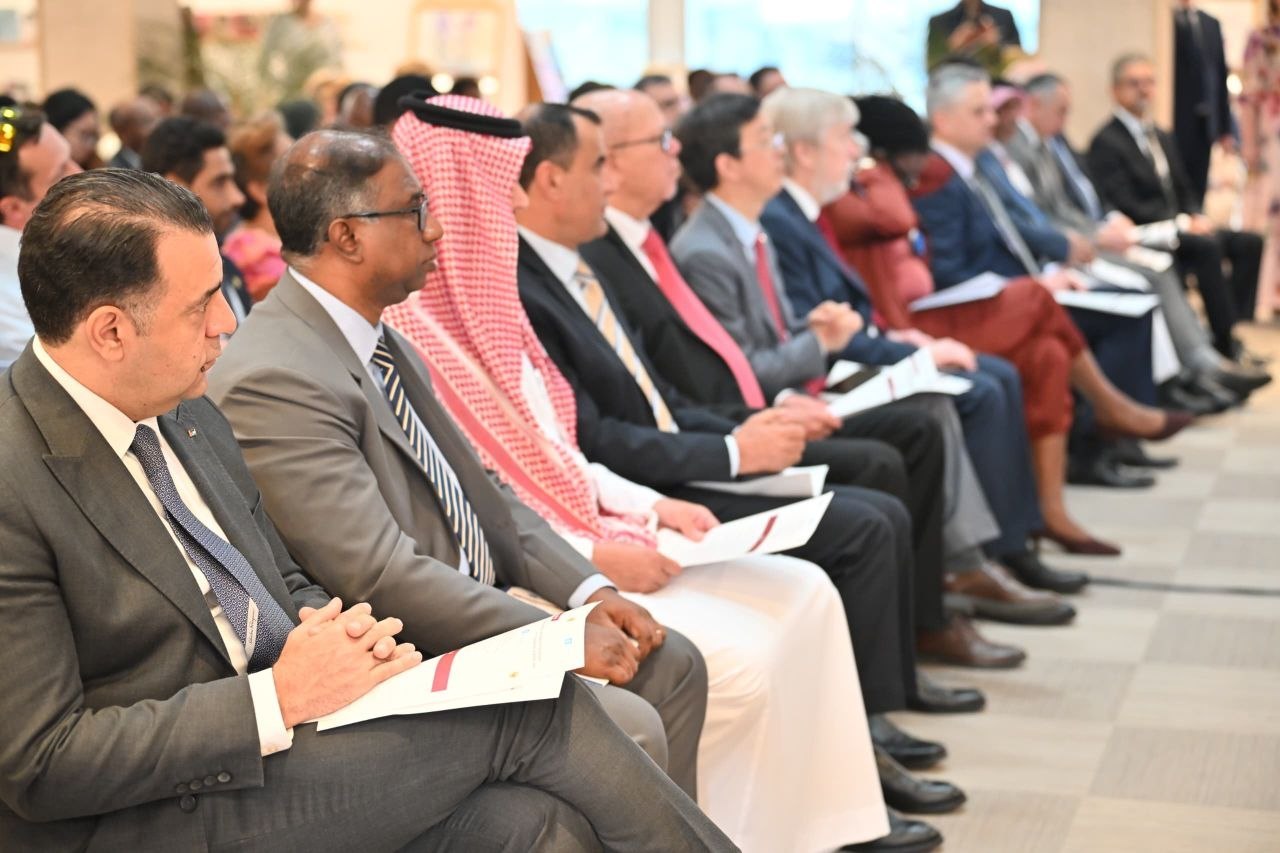
The ceremony was attended by UNECA Executive Secretary Claver Gatete, diplomats from various countries, representatives of United Nations agencies, and members of the Russian community living in Addis Ababa.
Established by UNESCO in 2010, Russian Language Day is celebrated annually by the United Nations on June 6. This specific date was chosen to coincide with the birthday of Alexander Pushkin, who is widely considered the father of modern Russian literature. Pushkin’s masterpieces, such as the novel Eugene Onegin and the poem The Bronze Horseman, laid the foundation for the beauty of the language.
Speaking at the event, Russia’s Ambassador to Ethiopia, Evgeny Terekhin, stated that the celebration of Russian Language Day is inextricably linked with Pushkin’s historical legacy. Beyond literature, organizers pointed out that this initiative is crucial for maintaining genuine equality among the six official languages of the United Nations. In international relations, language serves as the ultimate key to understanding a nation’s mindset and acts as a foundation for fully equitable global dialogue.
With more than 250 million speakers worldwide, the Russian language continues to play a vital role across various international sectors. From international politics and diplomacy to global trade and modern scientific research, its impact remains highly significant. Reports indicate that the works of famous authors like Leo Tolstoy, Fyodor Dostoevsky, and Anton Chekhov have been translated into various languages across the African continent, serving as a cultural bridge for many decades.
The central theme of the celebration highlighted the historical and contemporary role of academic exchange in fostering deep mutual understanding between Russia and Africa. It was noted that mastering the Russian language opens doors for international students to directly access unique technologies, scientific achievements, and deep practical expertise.
Ambassador Terekhin stated “Our universities educated hundreds of thousands of highly qualified specialists. By studying in Russian, African students received a foundational education and mastered complex fields – from medicine and engineering to public administration. Today, many of these alumni hold key positions in government and the economic sectors of their respective countries.”
This tradition of educational cooperation is currently experiencing a major resurgence. Current statistics reveal that 35,000 African students are currently pursuing their higher education at various Russian universities.
The event concluded with a cultural showcase featuring Russian poetry recitals by Ethiopian graduates of Russian universities, traditional dances, and musical performances. Attendees also toured a special exhibition showcasing Russian art, photography, and traditional artifacts.