Saudi Arabia, Egypt, Turkey and Pakistan enraged by Somaliland's move to open an embassy in Israel’s Jerusalem
A coalition of Arab and Muslim-majority countries has condemned Somaliland’s decision to open what it described as a diplomatic mission in Jerusalem, escalating tensions around the self-declared republic’s growing geopolitical role in the Horn of Africa and Red Sea corridor.
 Black News

A coalition of Arab and Muslim-majority countries has condemned Somaliland’s decision to open what it described as a diplomatic mission in Jerusalem, escalating tensions around the self-declared republic’s growing geopolitical role in the Horn of Africa and Red Sea corridor.
- A coalition of Arab and Muslim-majority countries condemned Somaliland's decision to open a diplomatic mission in Jerusalem, calling it illegal and a violation of international law.
- The criticism follows Israel's formal recognition of Somaliland in December 2025, positioning the self-declared republic as a new strategic partner in the Horn of Africa.
- Somaliland's president called the recognition a historic moment and expressed interest in joining the Abraham Accords and expanding cooperation with Israel.
- The move has worsened tensions with Somalia and led to renewed calls from Arab and Muslim nations for respect of Somalia's sovereignty and the status of East Jerusalem as occupied Palestinian territory.
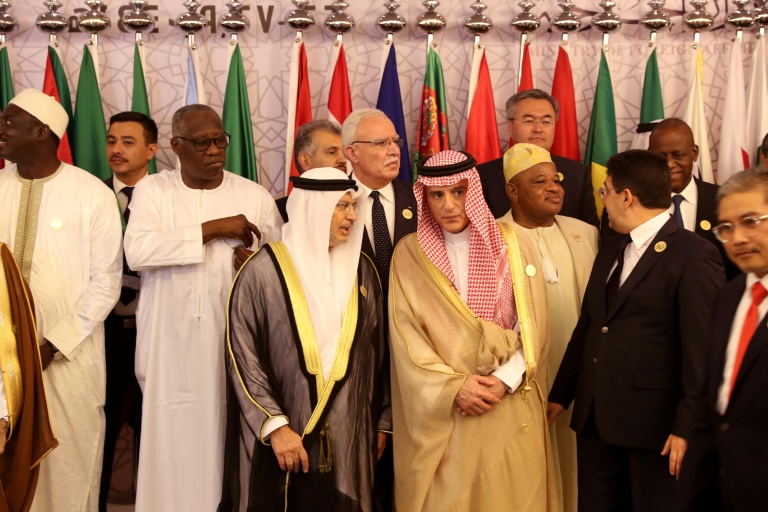
In a joint statement confirmed by Qatar News Agency, foreign ministers from Qatar, Egypt, Saudi Arabia, Jordan, Turkey, Pakistan, Indonesia, Djibouti, Somalia, Palestine, Oman, Sudan, Yemen, Lebanon, Mauritania and Algeria condemned the move as an “illegal and unacceptable step”, saying it violated international law and undermined the status of occupied East Jerusalem.
“This constitutes a flagrant violation of international law and relevant international resolutions, and represents a direct infringement on the legal and historical status of occupied Jerusalem,” the statement said.
Israel recognition reshapes Somaliland’s diplomacy
The diplomatic backlash comes months after Israel became the first United Nations member state to formally recognise Somaliland as an independent country in December 2025, reigniting debate across Africa and the Middle East over sovereignty, Red Sea security and regional alliances.
Israeli Prime Minister Benjamin Netanyahu announced the recognition on December 26, 2025, positioning Somaliland as a strategic partner along one of the world’s busiest maritime routes.
Meanwhile, Somaliland President Abdirahman Mohamed Abdullahi described the move as a “historic moment” and thanked Israel for its “political courage” in recognising Somaliland’s independence.
He also signalled readiness to join the Abraham Accords and deepen cooperation on security, maritime stability and trade.
Red Sea security drives new alliances
Following Israel’s recognition, speculation grew that countries including Ethiopia and the United States could strengthen ties with Somaliland, although neither has formally recognised the territory.
Analysts say Somaliland’s location along the Gulf of Aden, near the Bab el-Mandeb Strait, has increasingly raised its strategic importance as Red Sea instability disrupts shipping routes.
In particular, Israel has framed the relationship as part of a broader strategy to secure maritime trade routes and monitor threats from Iran-backed Houthi fighters in nearby Yemen.
Somalia sovereignty concerns deepen
However, the issue has further strained relations with Somalia, which accuses Somaliland of undermining its sovereignty through unilateral diplomatic engagements.
At the same time, Arab and Muslim-majority countries reaffirmed their rejection of “any unilateral measures aimed at entrenching an illegal reality in occupied Jerusalem or conferring legitimacy on any entities or arrangements that contravene international law and relevant United Nations resolutions.”
They also reiterated that East Jerusalem remains occupied Palestinian territory and stressed support for Somalia’s “unity, sovereignty and territorial integrity” alongside their “unequivocal rejection of any unilateral sovereignty.”