Serengeti Safari marathon: The new heartbeat of East African tourism integration
FOR decades, East Africa has captivated global travellers with an iconic promise: the Big Five, the Great Migration, and some of the world’s most spectacular wildlife landscapes. Now, a Tanzanian entrepreneur believes the region’s next tourism frontier lies beyond traditional safaris. The Serengeti Safari Marathon, already recognised as one of Africa’s most distinctive destination races, … The post Serengeti Safari marathon: The new heartbeat of East African tourism integration appeared first on Daily News.
 Black News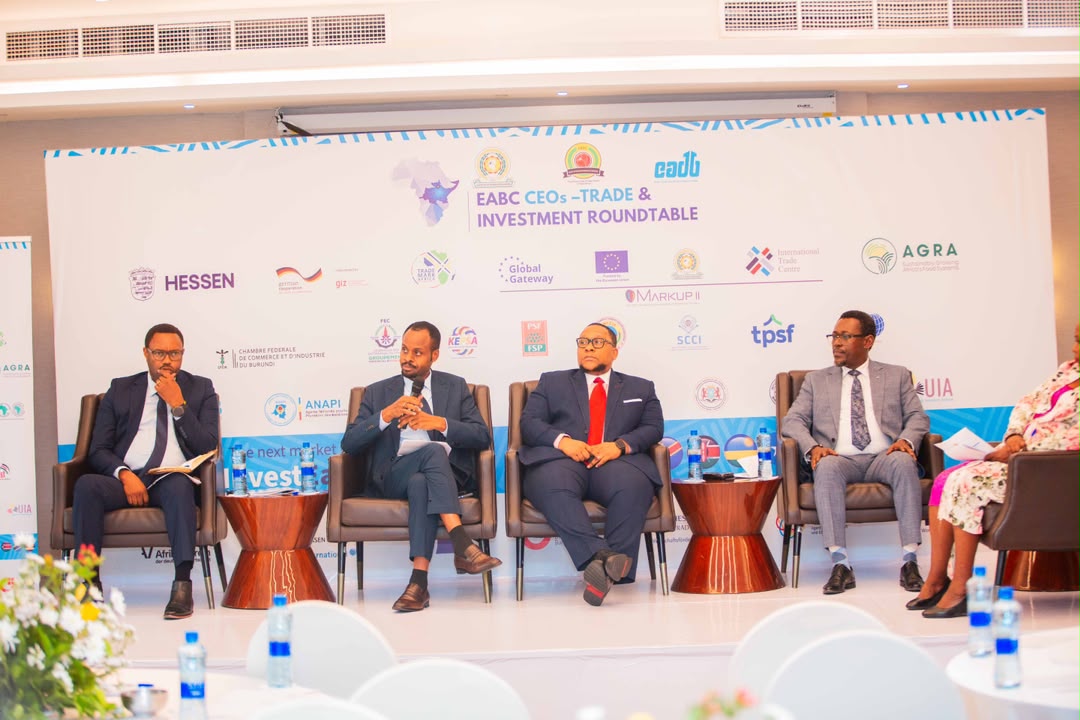

FOR decades, East Africa has captivated global travellers with an iconic promise: the Big Five, the Great Migration, and some of the world’s most spectacular wildlife landscapes.
Now, a Tanzanian entrepreneur believes the region’s next tourism frontier lies beyond traditional safaris.
The Serengeti Safari Marathon, already recognised as one of Africa’s most distinctive destination races, is positioning itself as a catalyst for active tourism and sports tourism across the East African Community (EAC).
Its ambition extends far beyond the finish line.
The marathon has embarked on a regional mission to unlock the immense tourism potential of the Lake Victoria Basin—one of Africa’s most significant ecological and economic landscapes—through sport, conservation and cross-border collaboration.
At the heart of the initiative is a growing alliance involving the United Nations Development Programme (UNDP), the Institute of Rural Development Planning (IRDP), the Lake Victoria Basin Commission (LVBC), the East African Business Council (EABC), Uganda’s High Commission and Consulate, as well as the internationally acclaimed Rwenzori Marathon organising committee.
The partnership forms part of the Lake Victoria Blue-Green Tourism Development Programme, an initiative designed to transform the Lake Victoria Basin into a competitive, inclusive, climate-resilient and sustainable tourism destination.
“Our key objective is to promote active tourism and sports tourism while improving the economic livelihoods of communities around the Lake Victoria Basin as part of our broader strategy of advancing responsible tourism,” says Tim Mdinka, Founder and Chief Executive Officer of the Serengeti Safari Marathon and Managing Director of LAND Africa Safaris.
A New Tourism Economy for More Than 45 Million People
The vision extends well beyond marathon tourism.
Lake Victoria, Africa’s largest lake by surface area, supports more than 45 million people across Tanzania, Kenya, Uganda, Rwanda and Burundi.
Millions depend directly or indirectly on the lake through fisheries, agriculture, transport, trade and tourism, making it one of Africa’s most important economic ecosystems.
Yet despite its enormous economic significance, tourism around the basin remains largely underdeveloped compared with East Africa’s globally renowned wildlife destinations.
Mdinka believes active tourism presents a major opportunity to diversify the region’s tourism portfolio while creating new income streams for local communities.
“The future of tourism is no longer about destinations alone,” he says. “It is about experiences that connect people with nature, communities and healthy lifestyles.”
Moving beyond the big five
Speaking at the East African Business Council (EABC) Tanzania CEOs Trade and Investment Roundtable in Dar es Salaam, Mdinka challenged policymakers to rethink how tourism is conceptualised across East Africa.
“We have inherited a tourism model dominated by wildlife,” he said. “When people think about Tanzania, they immediately think of elephants, lions, giraffes and national parks. Wildlife tourism is incredibly important, but globally it represents only one of many tourism products.”
According to Mdinka, Tanzania’s remarkable success in wildlife conservation has unintentionally overshadowed other high-potential tourism segments, including geotourism, sports tourism, cultural tourism, wellness tourism, adventure tourism and lake-based tourism.
“We deliberately developed the Serengeti Safari Marathon as a platform to unlock new tourism products and opportunities across the East African Community through the Lake Victoria Basin,” he said.
Breaking regional barriers
While East Africa promotes itself internationally as a single tourism destination, Mdinka argues that fragmented policy frameworks continue to impede deeper regional integration.
“It becomes very complicated when every country structures tourism governance differently,” he said.
He believes greater policy harmonisation among EAC partner states would make it easier to market East Africa as a seamless multi-destination experience while stimulating investment in cross-border tourism products.
Sport as a catalyst for sustainable development
The Serengeti Safari Marathon’s regional strategy aligns with growing global demand for active travel, wellness tourism and purpose-driven travel experiences.
Rather than competing with traditional wildlife tourism, Mdinka sees active tourism and sports tourism as complementary.
Visitors who travel for marathons, cycling events, hiking expeditions and endurance challenges typically stay longer, spend more within local economies and often venture beyond established tourism circuits.
This creates new opportunities for hotels, restaurants, transport operators, tour companies, artisans and community enterprises throughout the Lake Victoria Basin.
The initiative also advances environmental stewardship by promoting responsible tourism that supports healthy ecosystems alongside inclusive economic development.
Building a regional tourism brand
The partnership with Uganda’s Rwenzori Marathon signals a broader ambition to position East Africa among the world’s leading destinations for endurance sports tourism.
By linking flagship races in Tanzania and Uganda while working closely with regional institutions such as the LVBC, UNDP and EABC, organisers hope to establish a calendar of internationally recognised sporting events that showcase East Africa’s extraordinary landscapes beyond its national parks.
Uganda’s High Commissioner to Tanzania, Col. (Rtd.) Fred Mwesigye, and the Consul General at Uganda’s Consulate in Arusha, Amb. Anne Katusiime, have thrown their weight behind the initiative. They are working closely with the Serengeti Safari Marathon team to mobilise hundreds of Tanzanians to participate in the fifth edition of the Tusker Lite Mt Rwenzori Marathon, scheduled for Saturday, August 22, 2026, in Kasese, Uganda.
According to Mdinka, more than 100 runners from Dar es Salaam, Arusha and Mwanza are expected to travel to Uganda as part of three Tanzanian delegations, strengthening people-to-people ties and showcasing the growing role of sports tourism in regional integration.
Amb. Mwesigye believes such cross-border sporting events can deepen tourism cooperation, strengthen business linkages and reinforce the East African Community’s vision of a more integrated regional tourism market.
The finish line is just the beginning
As global tourism continues to evolve, destinations that successfully combine sustainability, community development and authentic visitor experiences are increasingly attracting international attention.
The Serengeti Safari Marathon is betting that East Africa’s next tourism success story will be written not only in its world-famous wildlife reserves but also along its running trails, lakeshores and vibrant local communities.
If the initiative succeeds, the Lake Victoria Basin could emerge as one of Africa’s premier active tourism destinations, creating new opportunities for millions of people while complementing the wildlife experiences that have long defined East Africa’s global tourism brand.
The post Serengeti Safari marathon: The new heartbeat of East African tourism integration appeared first on Daily News.