South Africa escalates Ozempic crackdown as doctors risk losing licences over copycat weight-loss drugs
South Africa has escalated its crackdown on copycat weight-loss medicines, ordering the recall of compounded versions of Ozempic and Mounjaro while warning doctors, pharmacists and other healthcare professionals that they could face fines, disciplinary action or even lose their licences for prescribing, dispensing or stocking the products.
 Black News

South Africa has escalated its crackdown on copycat weight-loss medicines, ordering the recall of compounded versions of Ozempic and Mounjaro while warning doctors, pharmacists and other healthcare professionals that they could face fines, disciplinary action or even lose their licences for prescribing, dispensing or stocking the products.
- South African regulators have ordered the recall of compounded Ozempic and Mounjaro copycat medicines manufactured by iDexis.
- Doctors and pharmacists who continue prescribing, dispensing or stocking the products risk fines, disciplinary action or losing their licences.
- The move comes weeks after Novo Nordisk won a court order stopping iDexis from manufacturing and selling compounded semaglutide.
- The case marks one of Africa’s toughest regulatory actions against the fast-growing market for copycat weight-loss medicines.
The coordinated action by the South African Health Products Regulatory Authority (SAHPRA), the South African Pharmacy Council (SAPC) and the Health Professions Council of South Africa (HPCSA) marks a significant escalation in a legal battle that has transformed South Africa into one of the first African countries to aggressively police the booming market for compounded GLP-1 medicines.
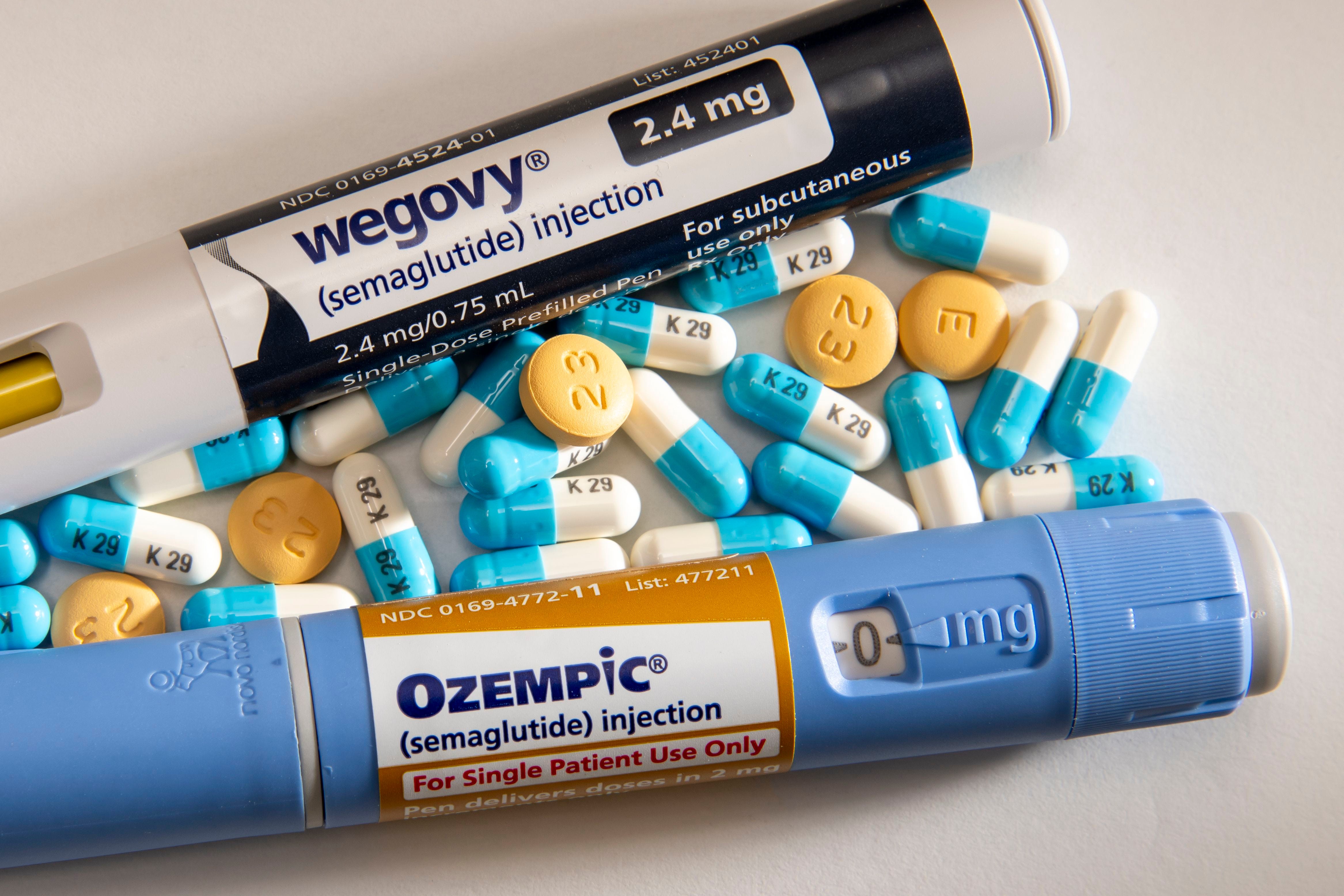
The recall targets products manufactured by Pretoria-based pharmacy group iDexis, including compounded semaglutide, tirzepatide and combination formulations.
Semaglutide is the active ingredient in Novo Nordisk’s blockbuster Ozempic and Wegovy medicines, while tirzepatide is found in Eli Lilly’s Mounjaro and Zepbound.
The regulators said continued use, prescription or dispensing of the recalled medicines poses a serious risk to patient safety.
SAPC Chief Executive Vincent Tlala told Reuters that regulators decided to step in because, to their knowledge, iDexis had not carried out the recall required after last month’s High Court ruling.
He said pharmacists found dispensing the products could face fines ranging from $1,531 (R25,000) to $4,594 (R75,000). Those whose actions are found to have harmed patients could ultimately be struck off the professional register following disciplinary proceedings.
DON'T MISS THIS: South African court blocks pharmacy accused of selling unapproved Ozempic-style weight-loss drugs
From courtroom victory to regulatory enforcement
The latest action follows a Pretoria High Court interim order granted in June that barred iDexis from manufacturing and selling compounded semaglutide products after Novo Nordisk accused the company of illegally producing and marketing unregistered medicines.
During the court proceedings, Novo Nordisk argued iDexis was manufacturing about 84,500 units every month, more than the combined South African sales of Ozempic and Wegovy, far beyond the patient-specific compounding permitted under South African medicines laws.
The court also relied on findings from SAHPRA inspections that raised concerns over manufacturing standards, product quality and regulatory compliance.
The latest recall shifts the dispute from the courtroom to regulatory enforcement.
DON'T MISS THIS: Bill Gates targets low-income nations to expand access to weight-loss drugs
Tlala said the pharmacy council is working with South Africa’s Department of Health to revoke iDexis’ licence while engaging law-enforcement agencies to investigate alleged violations of medicines regulations.
A global battle reaches Africa
The dispute mirrors a broader global campaign by Novo Nordisk and Eli Lilly to curb the sale of compounded versions of their blockbuster GLP-1 medicines.
Demand for Ozempic, Wegovy and Mounjaro has surged worldwide as the drugs gained popularity for treating diabetes and obesity, creating shortages in some markets and fuelling demand for lower-cost compounded alternatives.
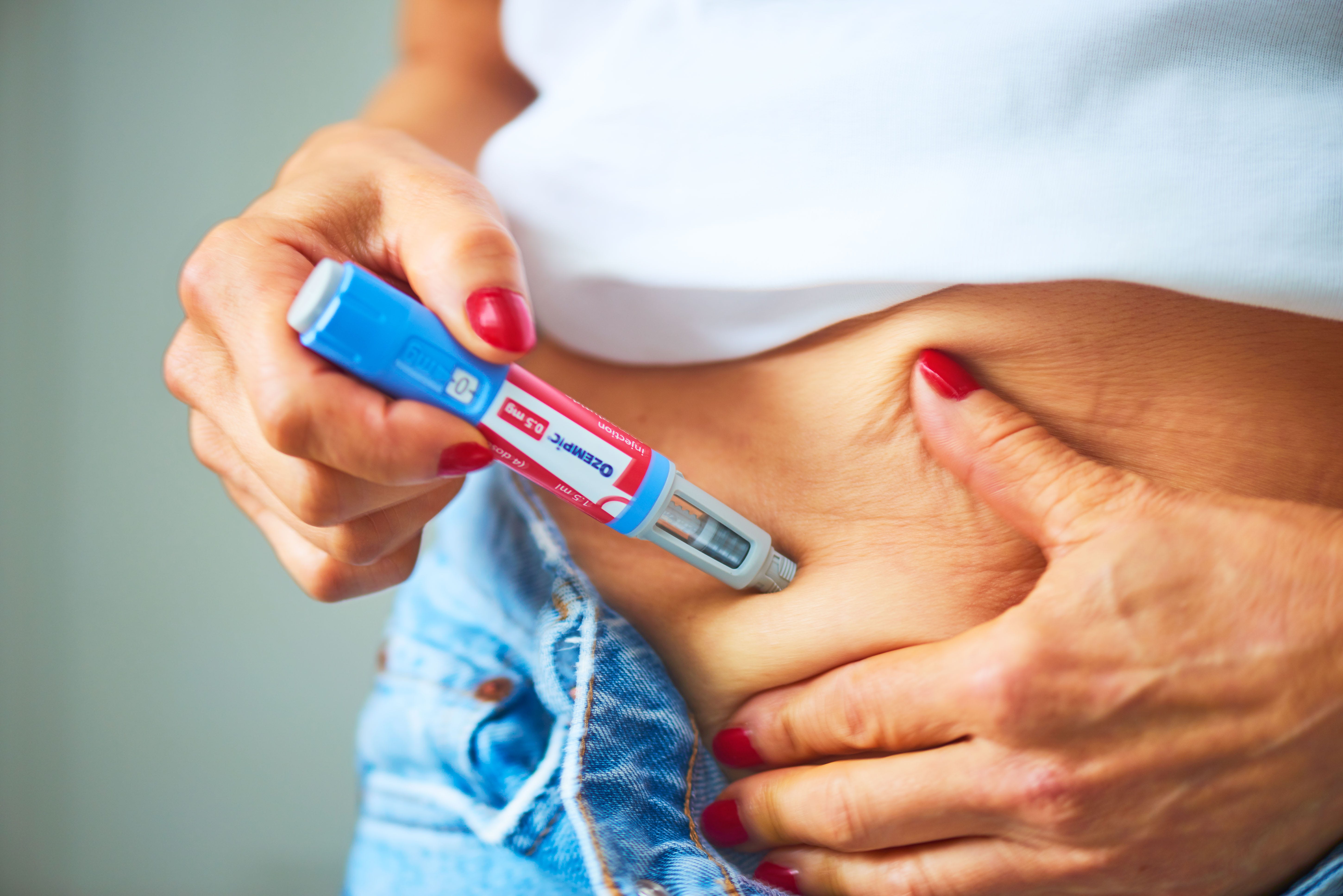
In South Africa, demand accelerated following the launch of Wegovy and Mounjaro, with some patients turning to compounded products because branded medicines were expensive or difficult to access.
Novo Nordisk has pursued similar legal and regulatory action in other countries, arguing that large-scale commercial manufacturing of compounded GLP-1 medicines bypasses regulatory safeguards designed to protect patients.
Why this matters
South Africa is one of Africa’s largest pharmaceutical markets, and the latest enforcement action could shape how regulators elsewhere on the continent respond to copycat versions of high-demand medicines.
DON'T MISS THIS: Ulta's CEO said the GLP-1 craze has created new demand for certain hair and skincare products
The decision strengthens the position of multinational drugmakers such as Novo Nordisk and Eli Lilly while signalling that African regulators are prepared to tighten oversight of unregistered medicines as demand for obesity and diabetes treatments grows.
For healthcare professionals, the warning is equally significant. The focus is no longer only on manufacturers producing unregistered medicines.
Regulators have now made it clear that doctors, pharmacists and other practitioners who continue prescribing, dispensing or retaining the recalled products could also face serious professional consequences.
As demand for GLP-1 medicines accelerates across Africa, the South African case is emerging as an important test of how regulators balance patient access, affordability and safety in one of the pharmaceutical industry’s fastest-growing markets.