South Africa is upgrading the financial infrastructure that moves $32 billion every day
Behind every salary payment, ATM withdrawal, online purchase and stock market trade in South Africa sits a financial system that most people never see.
 Black News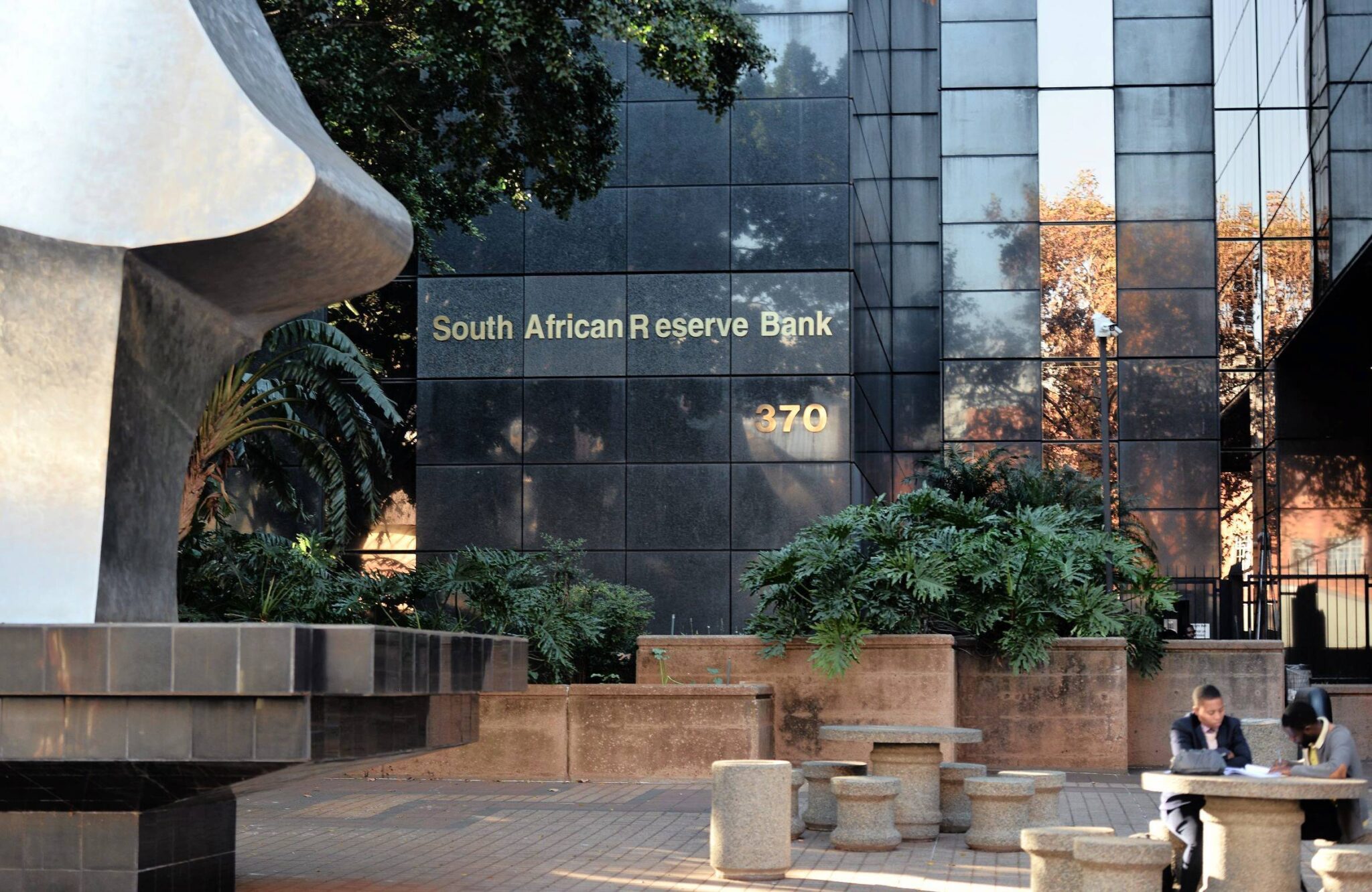

Behind every salary payment, ATM withdrawal, online purchase and stock market trade in South Africa sits a financial system that most people never see.
- South Africa’s SAMOS payments platform processes about R584 billion ($32.4 billion) daily.
- Roughly 90% of transaction value is settled in real time, reducing risks in the banking system.
- The Reserve Bank is modernising the platform as digital payments reshape global finance.
- Recent upgrades could strengthen South Africa’s position as Africa’s leading financial hub.
Yet that invisible network moves an average of R584 billion ($32.4 billion) every day, making it one of the most important pieces of financial infrastructure on the African continent.
The South African Reserve Bank (SARB) is now modernising that infrastructure as digital payments, instant transfers and cross-border financial services reshape how money moves around the world.
At the centre of the system is the South African Multiple Option Settlement (SAMOS) platform, which serves as the final settlement layer for transactions between banks.
According to SARB Deputy Governor Rashad Cassim, around 90% of the value flowing through the platform is settled in real time. The scale of activity shows South Africa’s position as Africa’s largest and most sophisticated financial market.
While consumers interact with banks, fintech apps and payment cards, the actual transfer of money happens through settlement systems that ensure transactions are completed safely and without creating risks for the broader financial system.
Speaking at the Gordon Institute of Business Science, Cassim described payment infrastructure as the “plumbing” of the economy, largely invisible but essential to modern life.
“We usually only focus on the institutions that we can see, like banks, insurers and pension funds.The layer below that is invisible to ordinary people,” he said.
That hidden layer is becoming increasingly important as governments and central banks around the world race to modernise payments.
Countries including India and Brazil have transformed domestic transactions through real-time payment networks that allow consumers and businesses to move money instantly.
Financial authorities globally are also preparing for a future shaped by digital assets, artificial intelligence and cross-border digital commerce.
South Africa is seeking to remain competitive in that environment. SAMOS, which was launched in March 1998, was originally designed to reduce settlement risks between banks by ensuring that payments are completed with finality.
Unlike traditional systems that allowed obligations to accumulate throughout the day, the platform increasingly settles transactions individually and in real time.
This approach reduces the risk of payment failures spreading through the financial system during periods of stress.
The system handles both large-value wholesale transactions and retail payments. However, only around 10% of the value settled through SAMOS originates from consumer transactions, with most activity coming from interbank transfers and financial market operations.
For ordinary South Africans, the process remains largely invisible. A card purchase, EFT transfer or PayShap payment first passes through clearing systems that reconcile and verify the transaction.
The final movement of funds between banks is then completed through SAMOS, where settlement becomes legally final and irreversible.
The Reserve Bank recently completed another major milestone by migrating SAMOS to ISO 20022, a global financial messaging standard that allows richer payment data and improved interoperability with international systems.
The upgrade is expected to improve transparency, strengthen security and support more efficient cross-border transactions.
As digital payments become increasingly central to economic activity, payment infrastructure is emerging as a strategic asset for countries seeking to attract investment and strengthen their financial sectors.