South African billionaire Johann Rupert’s Richemont overtakes Walmart in North America jewellery market
North America’s jewellery market is increasingly becoming a story of two economies: wealthy consumers are still spending heavily on luxury diamonds and watches, while mass-market retailers face growing pressure from cautious middle-class shoppers.
 Black News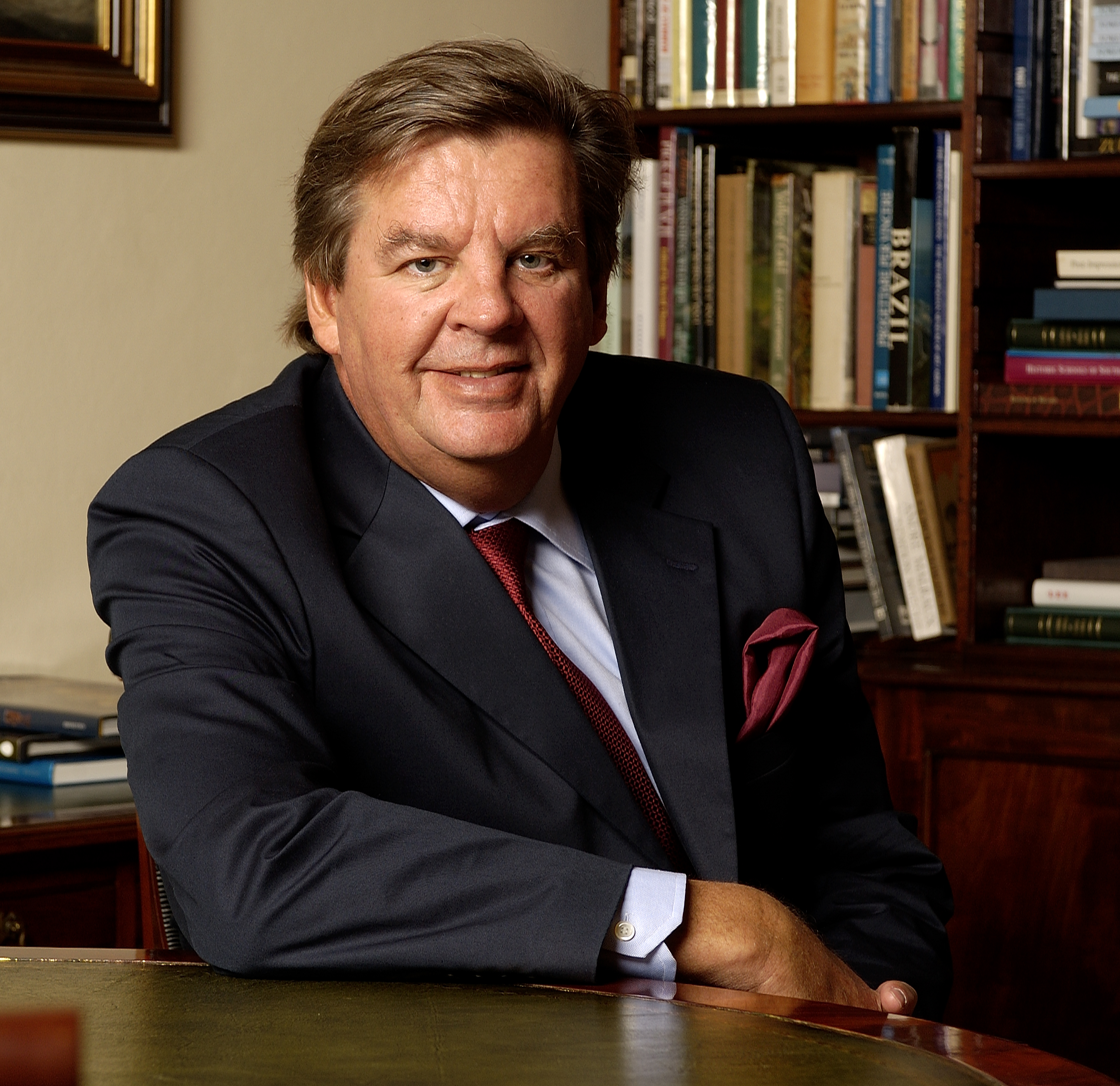
![Johann Rupert’s Richemont overtakes Walmart in North America jewellery market[Wikipedia]](https://ocdn.eu/pulscms/MDA_/aebad66ab0bab55d7cbdcc26c2c9d645.jpg)
North America’s jewellery market is increasingly becoming a story of two economies: wealthy consumers are still spending heavily on luxury diamonds and watches, while mass-market retailers face growing pressure from cautious middle-class shoppers.
- Johann Rupert’s Richemont has overtaken Walmart to become North America’s second-largest jewellery and watch retailer by sales.
- The luxury giant generated $3.62 billion from only 105 boutiques, powered by brands like Cartier and Van Cleef & Arpels.
- The shift highlights how wealthy consumers continue spending despite economic pressure on middle-income shoppers.
- It is another major global milestone for Africa’s richest luxury billionaire.
That divide has now helped South African billionaire Johann Rupert score a major victory over retail giant Walmart.
According to National Jeweler’s latest State of the Majors report, Rupert-controlled Richemont overtook Walmart to become North America’s second-largest jewellery and watch retailer by sales in 2025.
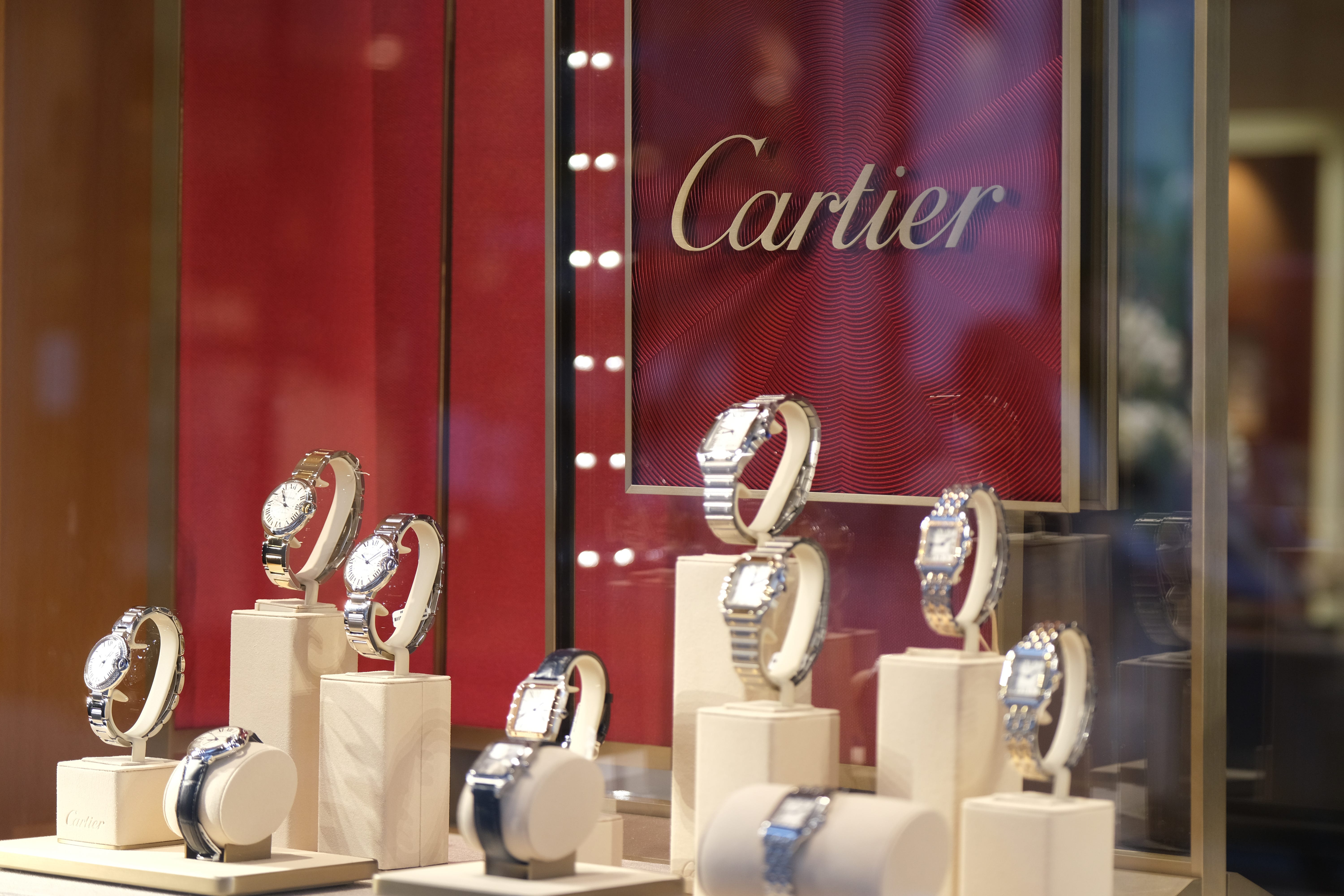
The Swiss luxury group generated $3.62 billion in regional sales from just 105 stores, most of them high-end boutiques operated by brands such as Cartier, Van Cleef & Arpels, IWC Schaffhausen and Vacheron Constantin.
By comparison, market leader Signet Jewelers retained the top position with $6.36 billion in sales, but required 2,329 stores across North America to achieve it.
The contrast exposes the extraordinary economics of global luxury retail.
Richemont generated an estimated $34.5 million per boutique. Signet averaged roughly $2.7 million per store.
That gap reflects the growing spending power of ultra-wealthy consumers, particularly in the United States, where luxury groups have continued outperforming much of the broader retail sector despite inflation, geopolitical tensions and slowing consumer demand.
Why wealthy shoppers are driving the market
Richemont’s rise is not happening in isolation.
The company recently reported that sales at its Jewellery Maisons division, home to Cartier and Van Cleef & Arpels, climbed 8% to €15.3 billion ($17.3 billion) in the financial year ended March 2025.
The Americas was one of its strongest-performing regions, with sales rising 16%.
The company’s resilience has stood out across the global luxury industry, where several major brands have struggled with weaker demand in China and slower discretionary spending globally.
Analysts increasingly describe the luxury market as “K-shaped”, where wealthy consumers continue buying high-end products while middle-income households cut back on non-essential spending.
That shift is now reshaping North America’s jewellery industry.
Walmart, which sells lower-priced jewellery alongside groceries and household goods, fell from second place to fourth in the latest rankings. Department-store chain Macy’s also dropped as it continues reducing its physical footprint.
Meanwhile, Costco climbed higher as consumers searched for lower-cost luxury alternatives, especially in gold and diamond jewellery.
Luxury giant LVMH slipped from fifth to sixth place, while Swiss watch retailer Bucherer dropped out of the top 10 following disruption tied to its acquisition by Rolex.
A global power play for Johann Rupert
For Rupert, the rankings reinforce his growing influence in one of the world’s most profitable consumer industries.
Richemont, founded by the South African billionaire in 1988, has evolved into one of the world’s largest luxury groups, competing directly with European giants like LVMH and Kering. The company reported €21.4 billion ($24.2 billion) in revenue in its latest financial year.
Its jewellery business has become especially important as luxury consumers increasingly favour products seen as “investment purchases” during uncertain economic periods.
Gold prices have remained elevated globally, while high-end jewellery and watches continue attracting wealthy buyers seeking status assets and long-term value.
Richemont is also navigating a critical strategic period. The group is restructuring its online luxury operations, including Net-a-Porter and Mr Porter, while investors closely monitor weakening Swiss watch demand in parts of Asia.
Still, North America continues to deliver one of the strongest growth stories for the company.
The latest rankings suggest that in an era of economic uncertainty, the world’s richest consumers are still spending and many of them are spending with Johann Rupert’s luxury empire.