South African court blocks pharmacy accused of selling unapproved Ozempic-style weight-loss drugs
A South African court has ordered a local pharmacy group to stop manufacturing and selling semaglutide-based medicines, handing Novo Nordisk an early legal victory in a dispute that highlights the growing global battle over weight-loss drugs.
 Black News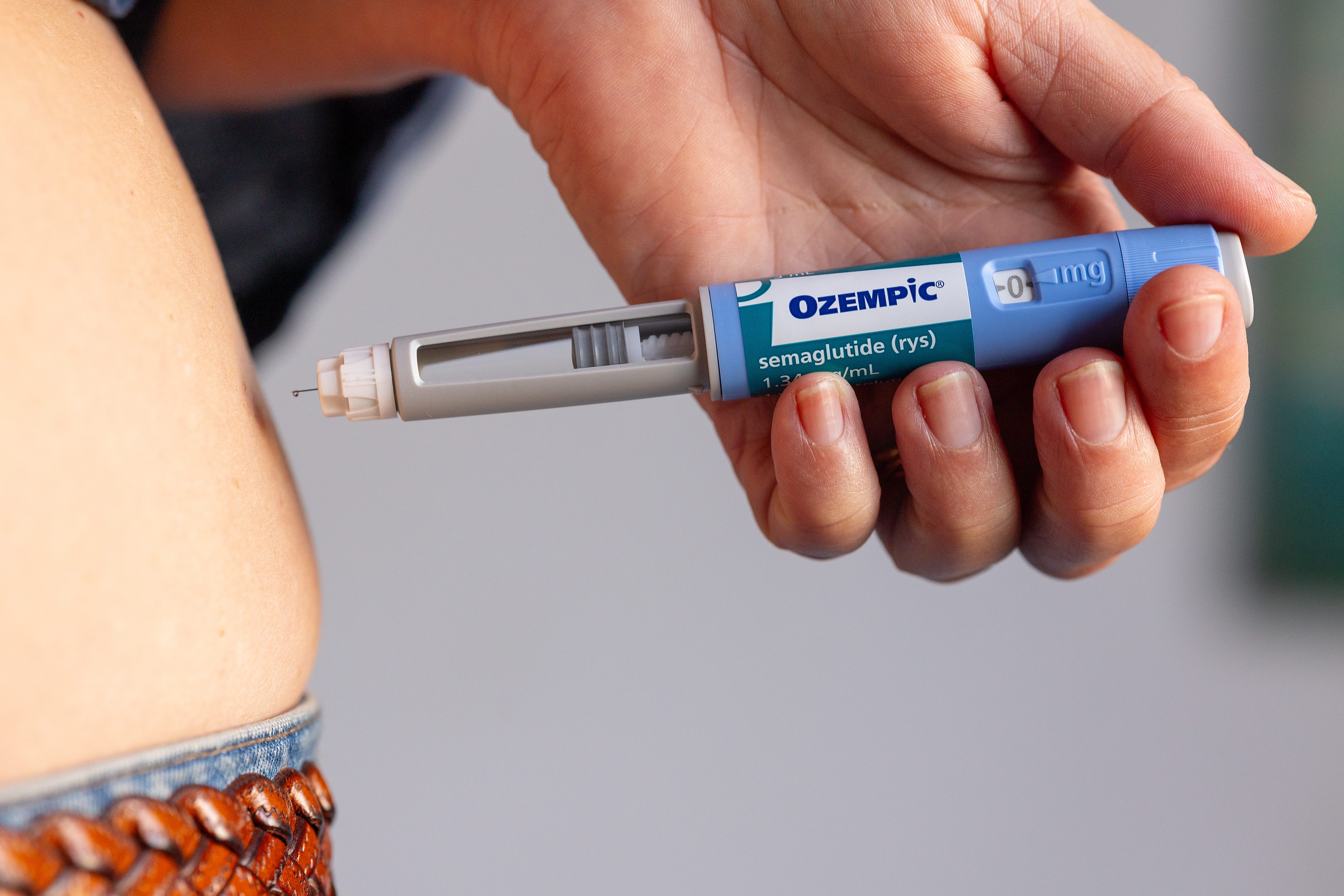
A South African court has ordered a local pharmacy group to stop manufacturing and selling semaglutide-based medicines, handing Novo Nordisk an early legal victory in a dispute that highlights the growing global battle over weight-loss drugs.
- A South African court has ordered pharmacy group iDexis to stop selling semaglutide-based medicines.
- The ruling follows a legal challenge by Novo Nordisk, maker of Ozempic and Wegovy.
- Novo alleged the company was supplying about 84,500 units monthly without regulatory approval.
- The case highlights growing scrutiny of compounded weight-loss drugs as demand for obesity treatments surges globally.
The Gauteng Division of the High Court in Pretoria granted an interim order preventing pharmacy group iDexis and its director from producing, supplying or marketing semaglutide products until regulators complete ongoing investigations and further legal proceedings are concluded.
The case centres on semaglutide, one of the world’s most sought-after pharmaceutical ingredients.
Semaglutide is the active ingredient in Novo Nordisk’s diabetes drug Ozempic and weight-loss treatment Wegovy. Both medicines belong to a class of drugs known as GLP-1 receptor agonists, which help regulate blood sugar levels and suppress appetite.
Their effectiveness in helping patients lose weight has fuelled soaring global demand and transformed obesity treatment into one of the fastest-growing segments of the pharmaceutical industry.
The success of Ozempic and Wegovy has also turned Novo Nordisk into one of Europe’s most valuable companies and sparked intense competition around semaglutide-based products.
In court documents, Novo Nordisk argued that iDexis was unlawfully selling unregistered semaglutide medicines and competing in South Africa’s lucrative weight-loss market without complying with regulatory requirements.
According to evidence presented before the court, iDexis was supplying approximately 84,500 units of compounded semaglutide products each month, more than the combined sales of Ozempic and Wegovy in South Africa.
Compounding is the practice of pharmacies preparing customised medicines for patients with specific medical needs. However, Novo argued that iDexis had moved beyond limited compounding and was effectively manufacturing and marketing semaglutide products on a commercial scale without regulatory approval.
iDexis defended its activities by arguing that it was legally entitled to compound semaglutide because it used an ingredient similar to that found in Novo Nordisk’s registered medicines.
Judge Petrus van Niekerk rejected that argument. The court ruled that provisions of South Africa’s Medicines Act permitting limited compounding apply only when the same active ingredient appears in a registered medicine, not one that is merely similar.
The judgment noted that iDexis used a synthetic chemical version of semaglutide, while Novo Nordisk’s products use a biological form of the ingredient.
The court also heard that the iDexis products had not been tested or approved by the South African Health Products Regulatory Authority (SAHPRA), while the source of the active ingredient had not been disclosed publicly.
Van Niekerk further cited findings from a SAHPRA inspection that identified concerns relating to quality standards, safety controls and regulatory compliance.
He concluded that an interim interdict was necessary to prevent potential ongoing illegality and protect public health while investigations continue.
The order will remain in force until SAHPRA and the South African Pharmacy Council conclude their investigations and any related appeals processes, or until a court reaches a final determination on the matter.
The dispute comes as regulators around the world face growing questions over the sale of compounded versions of popular weight-loss medicines.
Demand for Ozempic, Wegovy and similar treatments has surged in recent years, driven by rising obesity rates and growing evidence of the drugs’ effectiveness.
In some markets, shortages and high prices have encouraged pharmacies to produce alternative compounded products, triggering legal disputes between drugmakers, regulators and healthcare providers.