South Africa’s xenophobia crisis deepens as Ghana rushes to evacuate over 300 citizens
South Africa has become the focal point of growing unrest as Ghana announces plans to evacuate 300 citizens, joining Nigeria, which has also confirmed the airlifting of its nationals amid a recent wave of protests targeting foreign nationals.
 Black News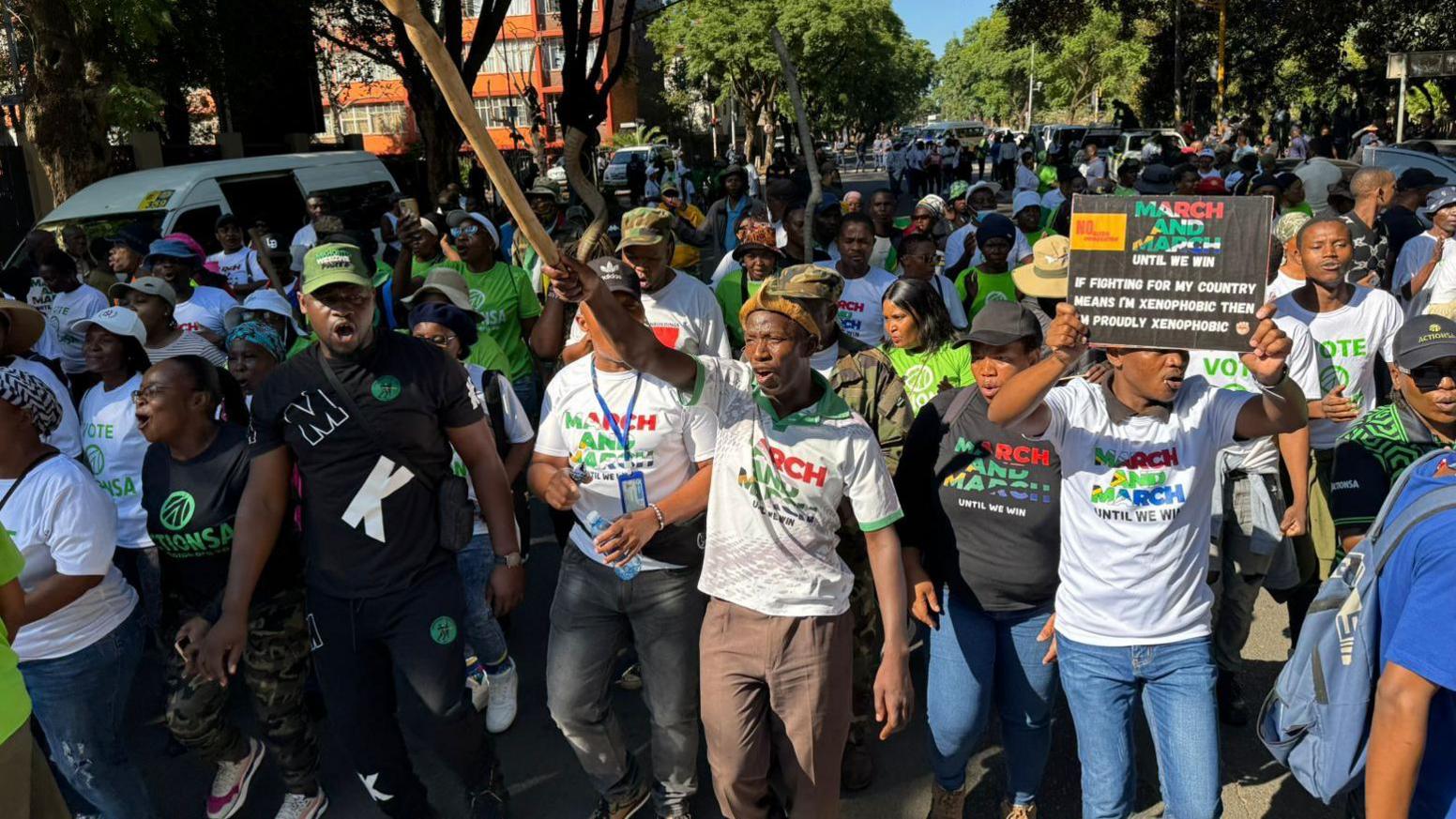

South Africa has become the focal point of growing unrest as Ghana announces plans to evacuate 300 citizens, joining Nigeria, which has also confirmed the airlifting of its nationals amid a recent wave of protests targeting foreign nationals.
- South African authorities deny widespread attacks, calling viral videos fake and warning against misinformation.
- Ghana and Nigeria are evacuating their citizens from South Africa amid protests and xenophobic attacks targeting foreign nationals.
- President Ramaphosa condemned the violence as criminal acts by opportunists and reaffirmed South Africa's immigration policy commitment.
- Several African nations have responded with diplomatic protests and repatriation plans to protect their nationals in South Africa.
Ghana has announced plans to evacuate 300 citizens from South Africa in the wake of recent protests against foreign nationals.
Foreign Minister Samuel Okudzeto Ablakwa confirmed on X Tuesday that President Akufo-Addo had authorized the "immediate evacuation" of the affected citizens.
Ablakwa explained that the "distressed" Ghanaians had registered at the Ghanaian embassy in Pretoria to seek assistance, following a foreign ministry advisory "in response to the latest wave of xenophobic attacks."
South African Government Denies Attacks
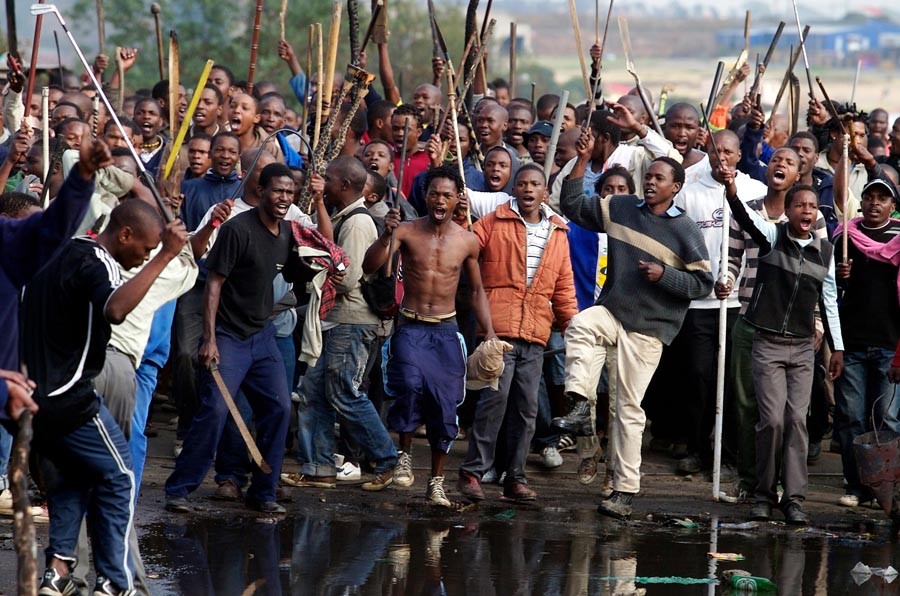
The protests, which have seen large crowds take to the streets in multiple South African cities, have raised concerns about the safety of foreign nationals.
Despite widespread reports, South African authorities have dismissed viral videos circulating on social media as fake, claiming they were part of a misinformation campaign intended to stoke tensions.
South Africa’s Minister in the Presidency, Khumbudzo Ntshavheni, described these videos as "fake" and emphasized that South Africa remains one of the few countries on the continent that integrates refugees into society, allowing them to own businesses and contribute to the economy.
President Ramaphosa Condemns the Violence
As international condemnation of the violence grew, South African President Cyril Ramaphosa condemned the attacks, describing them as “isolated acts of criminality.”
In a statement on Monday, Ramaphosa explained that the violence was instigated by “opportunists” who were exploiting the legitimate grievances of the poor, under the false guise of “community activism.”
He emphasized that these protests did not reflect government policy, reaffirming South Africa’s commitment to regulating migration, securing its borders, and enforcing its laws.
Xenophobia and Economic Strain Fuel Anti-Immigrant Protests in South Africa
Xenophobia has long been an issue in South Africa, often marked by violence against foreign nationals, particularly from other African countries. With over three million foreigners in the country, about 5% of the population, many are believed to be undocumented.
The ongoing protests, calling for the deportation of undocumented foreign nationals, have been fueled by the perception that illegal immigration contributes to rising unemployment, housing shortages, and crime.
South Africa's unemployment crisis deepened in early 2026, with the expanded unemployment rate rising to 43.7%, up from 42.1% in the previous quarter.
The number of unemployed South Africans also increased to 8.137 million, compared to 7.836 million in late 2025.
Despite promises of reform, South Africa's official unemployment rate has remained above 30% for over five years, revealing deep economic weaknesses.
The widespread participation in these protests underscores growing frustration with immigration challenges.
Regional Response and Repatriation Plans
In response to the violence and the threats faced by their citizens, the governments of Ghana, Nigeria, and several other African nations have escalated diplomatic pressure on South Africa.
Ghana has summoned South Africa’s ambassador and written to the African Union (AU), urging a broader discussion on the issue.
Ghana’s request to the AU emphasizes the need to protect African citizens in South Africa, describing the situation as a "serious risk" to the safety of the continent's nationals.
Nigeria has also raised concerns about the safety of its citizens in South Africa. The Nigerian Senate has discussed potential measures, including boycotting South African businesses operating in Nigeria, such as MTN and DSTV, in retaliation for the attacks on Nigerians.
Nigeria's Foreign Minister recently confirmed that approximately 130 Nigerians had already registered for voluntary repatriation, with more expected to follow.
Other African countries, including Kenya, Malawi, Lesotho, and Zimbabwe, have issued similar advisories urging their nationals to take extra precautions.