Strait of Hormuz fears make Africa a lifeline for the world’s third-largest oil importer
The energy deficit in India, brought about by the conflict in Iran and the subsequent disruption of global fuel supply chains, has led it to seek fuel supply from Africa and Latin America.
 Black News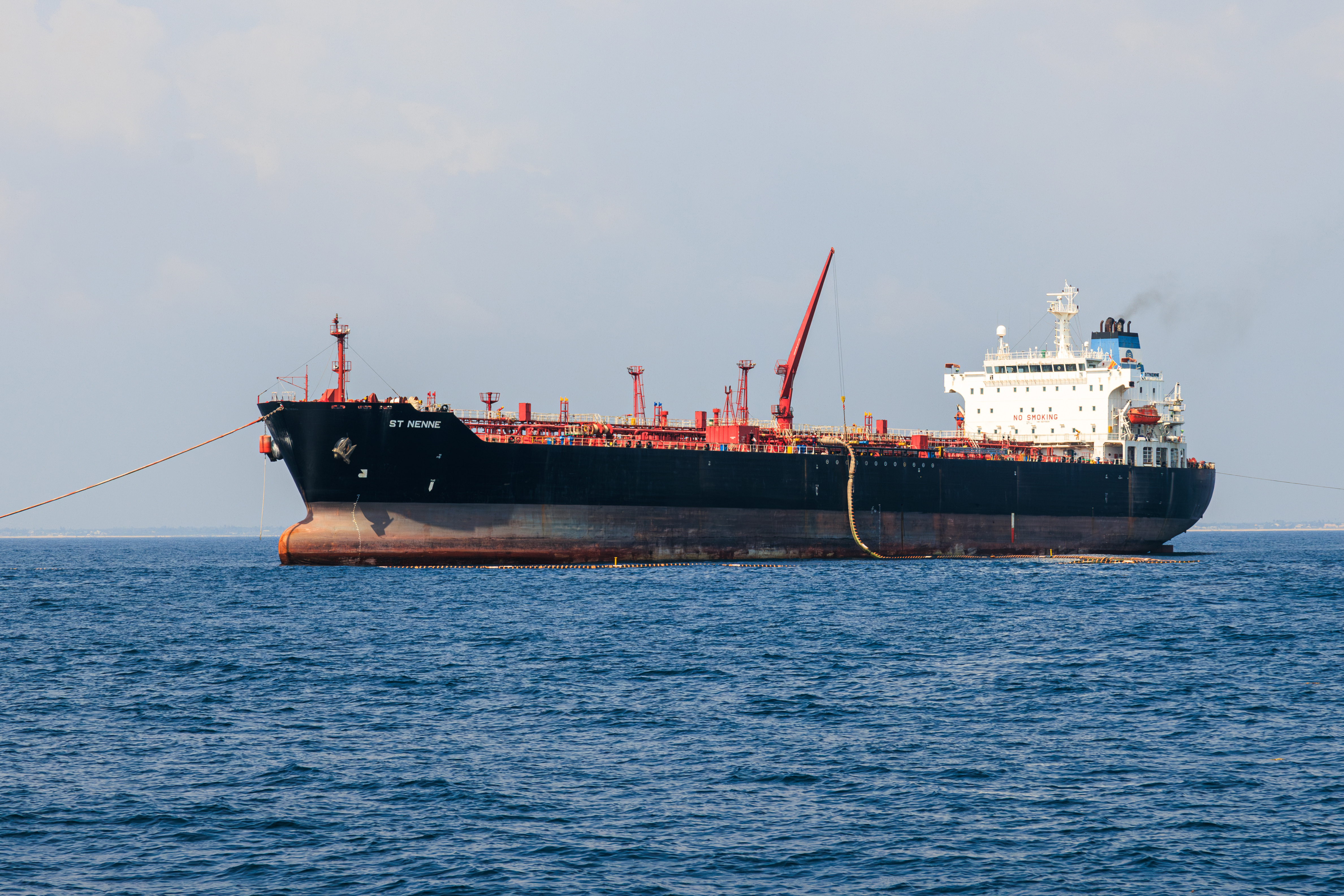
![A tanker discharges crude oil via single-point mooring (SPM) during a ceremony to mark the first delivery of crude oil to the Dangote Industries Ltd. refinery in the Ibeju Lekki district of Lagos, Nigeria, on Saturday, Dec. 9, 2023. [Photo: Benson Ibeabuchi/Bloomberg via Getty Images]](https://ocdn.eu/pulscms/MDA_/fd167b8f52731ec4cb48ff6cec90f12b.jpg)
The energy deficit in India, brought about by the conflict in Iran and the subsequent disruption of global fuel supply chains, has led it to seek fuel supply from Africa and Latin America.
- Indian refiners have shifted to sourcing crude oil from South America and Africa, moving away from traditional Middle Eastern suppliers.
- In April, India imported its first cargo of Cawthorne crude from Nigeria, reflecting a diversification in supply sources.
- Data show that India reduced Middle East oil imports, although it increased its intake from OPEC members, especially Saudi Arabia and the UAE, as they rely less on the Strait of Hormuz.
- Overall, India's oil imports in April remained steady compared to March but marked a 15.5% year-on-year decline.
A recent report revealed that Indian refiners have turned to markets in South America and Africa for crude supply.
The South Asian country, prior to the war in Iran, typically sourced crude from the Middle East.
DON’T MISS THIS: How India and China helped build Dangote’s $20 billion refinery as Africa challenges Europe and US refining edge
However, since February, 2026, when Iran got into a conflict with the United States, India has relied on alternative crude sources.
Data from Kpler, as seen on Reuters, show that Nigeria, Angola, Venezuela, Russia, and Brazil are among the markets from which the world's third-largest oil importer and consumer obtains its crude.
In April, it was reported that Nigeria shipped its first-ever cargo of Cawthorne crude, a 950,000-barrel consignment to India’s Sikka port.
The cargo originates from Oil Mining Lease (OML) 18 in the eastern Niger Delta, operated by the Nigerian National Petroleum Company (NNPC) alongside Sahara Group and partners.
"NNPC shipped the first cargo of the new Cawthorne crude at the weekend. A total of 950,000 barrels of crude was exported from the FSO Cawthorne," the NNPC spokesperson told Platts, part of S&P Global Energy, at the time.
A similar report surfaced in February, where India turned to Africa for increased crude supply, but with a focus then on diverting away from Russian supplies.
Then, the Indian Oil Corporation (IOC) secured around six million barrels of crude from West African and Middle Eastern producers for delivery in April.
The purchases included Angolan Pazflor and Nigerian Agbami grades from trading house Totsa, and Nigerian Akpo and Bonny Light grades from Shell, according to two sources.
Kpler’s recent data on India’s crude imports for April and May
India suspended procurement of crude from Iraq last month; however, after a seven-year hiatus, the nation purchased Iranian crude oil.
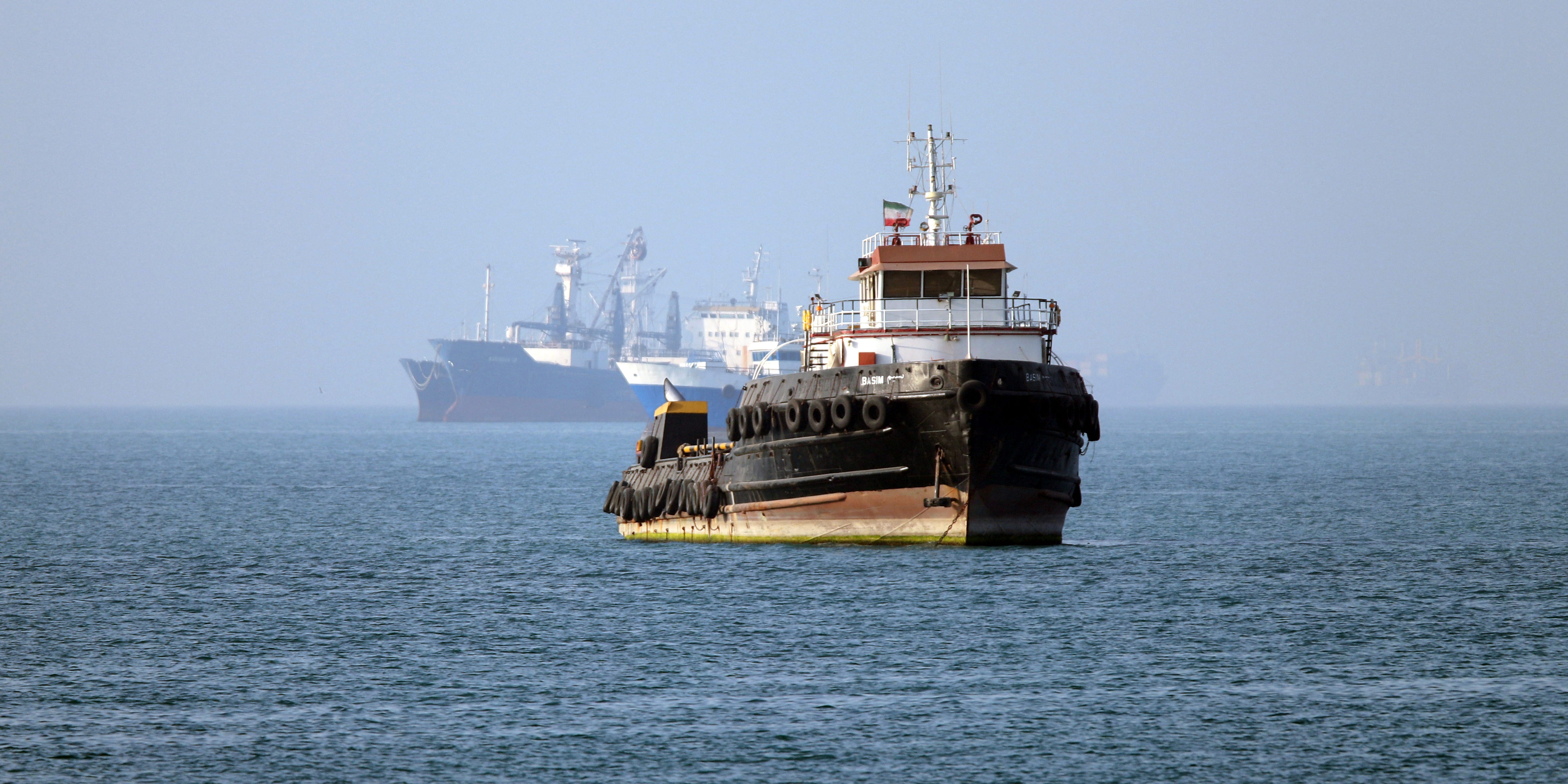
A temporary waiver granted by Washington facilitated this trade, intended to provide stability to global oil valuations.
Kpler’s data shows that India reduced Russian imports by approximately 29.4% compared to March levels, falling to 1.6 million barrels per day (bpd).
This decline is attributed to the temporary closure of Nayara Energy's 400,000-bpd refinery for scheduled maintenance operations.
Preliminary statistics provided by the report also indicate that India will receive an estimated 41,000 bpd of Iraqi oil and 1.9 million bpd of Russian crude during May.
Statistical records show that India's oil imports in April totaled 4.57 million bpd.
While this figure remains consistent with March volumes, it represents a 15.5% decline relative to the previous year.
Furthermore, the data shows that Saudi Arabian oil intake remained at roughly 619,500 bpd, and imports from the United Arab Emirates increased to 669,700 bpd in April from 230,600 bpd in March.
Saudi Arabia and the United Arab Emirates constitute the sole Gulf producers possessing pipeline infrastructure capable of exporting crude oil without transiting the Strait of Hormuz; conversely, Bahrain, Kuwait, Iraq, and Qatar remain reliant upon this waterway for their supply logistics.
Statistical analysis indicates that the Organization of the Petroleum Exporting Countries, of which the United Arab Emirates is a constituent member, expanded its proportion of Indian imports from approximately 30% in March to 45.2% in April.