The deal that saved 1,500 Glencore jobs — and could revive South Africa’s struggling chrome industry
Up to 1,500 jobs have been saved in South Africa’s ferrochrome sector after Glencore’s chrome venture abandoned planned layoffs following the approval of discounted electricity tariffs for smelters.
 Black News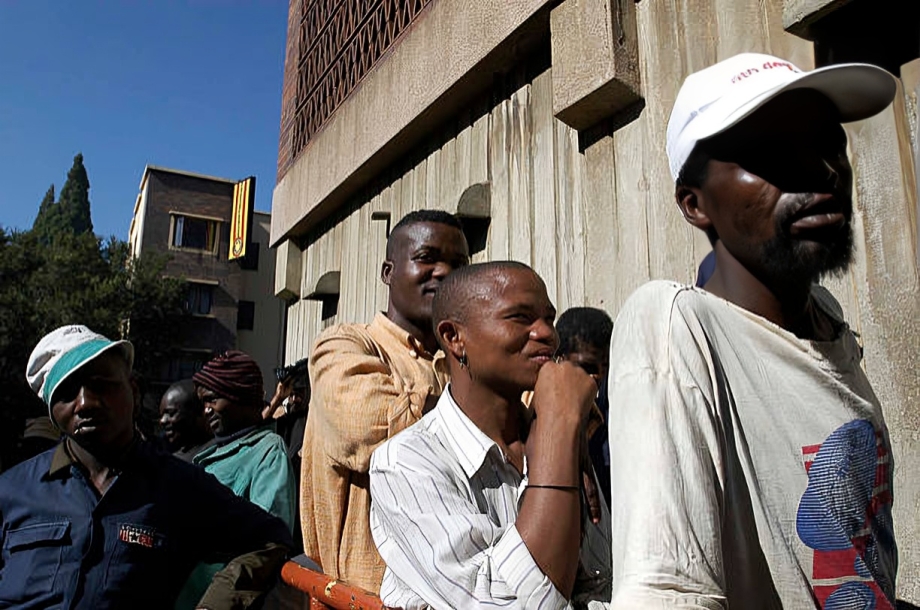
![Unemployed men queue for food outside a church in Hillbrow, Johannesburg, South Africa. [Photo by Naashon Zalk/Bloomberg via Getty Images]](https://ocdn.eu/pulscms/MDA_/73543403bc1c898ed8421571e84d0030.jpg)
Up to 1,500 jobs have been saved in South Africa’s ferrochrome sector after Glencore’s chrome venture abandoned planned layoffs following the approval of discounted electricity tariffs for smelters.
- Glencore’s South African ferrochrome venture has withdrawn plans to cut up to 1,500 jobs.
- The move follows approval of discounted electricity tariffs for ferrochrome producers.
- Rising power costs have forced dozens of smelters to shut over the past decade.
- The decision offers fresh hope for an industry that remains critical to South Africa’s mining economy.
The decision marks one of the clearest signs yet that government efforts to rescue South Africa’s struggling ferrochrome industry may be gaining traction after years of plant closures, rising energy costs and declining global competitiveness.
Glencore’s ferrochrome business, operated through a joint venture with Merafe Resources, announced on Monday that it had withdrawn a retrenchment process that could have led to significant job losses.
The move follows a decision by South Africa’s energy regulator, Nersa, to approve a special electricity tariff of 62 cents per kilowatt-hour for ferrochrome producers, substantially reducing one of the industry’s highest operating costs.
The company said the approval represented “a further step towards stabilising operations and progressing the phased restart of the business”.
The retrenchment process began after the Glencore-Merafe venture suspended production at its Boshoek, Wonderkop and Lion smelters in 2025, citing mounting financial pressure and concerns over the long-term viability of operations.
Industry under pressure
South Africa remains the world’s largest producer of chrome ore, a key raw material used to produce ferrochrome, which is essential for stainless steel manufacturing.
Yet despite its vast chrome resources, the country has struggled to maintain its position as a major ferrochrome producer.
The main challenge has been electricity.
Ferrochrome smelting is among the most energy-intensive industrial activities in South Africa.
Over the past two decades, power prices have risen sharply, squeezing profit margins and forcing operators to idle capacity or shut plants altogether.
Industry data shows that only 11 of South Africa’s 66 ferrochrome smelters remain operational, highlighting the scale of the sector’s decline.
The crisis has raised concerns among policymakers, labour unions and mining companies about the loss of industrial jobs and the erosion of value-added mineral processing capacity.
More than jobs
The tariff relief approved by Nersa extends beyond Glencore as fellow ferrochrome producer Samancor Chrome also secured approval for a discounted electricity arrangement, while regulator-backed measures have been introduced to support other energy-intensive smelting operations facing similar pressures.
Nersa approved the discounted arrangement for Glencore-Merafe for three years and for Samancor Chrome for five years.
Eskom will be required to submit regular reports to monitor the implementation and socioeconomic impact of the agreements.
The regulator has also approved temporary relief measures for Transalloys’ manganese ferroalloy smelting operations in Mpumalanga to help prevent closures and protect industrial activity.
The interventions reflect growing efforts by South African authorities to stem industrial decline and preserve strategic manufacturing capacity linked to the country’s mining sector.
For Glencore workers, the immediate threat of retrenchment has been lifted.
For South Africa’s ferrochrome industry, however, the bigger challenge remains whether cheaper electricity can help restart idled smelters, attract investment and restore competitiveness in a sector that has spent years fighting for survival.