The price of an enduring father
What aging taught me about movement, mobility, and the hidden cost of survival By Steven Ragsdale A few weeks ago, I sat waiting for a hip X-ray and found myself thinking about my father and quite a few of the older guys in my community, especially how their bodies grew physically older over the years […] The post The price of an enduring father appeared first on AFRO American Newspapers.
 Black News

What aging taught me about movement, mobility, and the hidden cost of survival
By Steven Ragsdale
A few weeks ago, I sat waiting for a hip X-ray and found myself thinking about my father and quite a few of the older guys in my community, especially how their bodies grew physically older over the years before their time. It is not surprising that studies show that Black men often have a higher biological age than their true age.
The signs were easy to spot, especially in the men who took care of families by working year-round outside in the elements. For years, they have shown up at the post office, on construction crews, as street vendors, and in a host of other jobs that paid decent money but came with a trade-off in physical health.
My diagnosis was hardly surprising. After more than 25 years of running cross-country—long before modern running shoes, rigid plates to maximize energy efficiency, and specialized training programs became commonplace—wear and tear on the bones was inevitable. I am fortunate, considering that a former NFL player I golfed with recently shared stories about the 17 surgeries his body underwent during his playing days. I had one surgery from college cross-country, and that was a minor knee surgery to repair my meniscus. My hip X-ray on this day confirmed mild osteoarthritis, another reminder that as I get older, I am entering a different chapter.
Growing up, I was not that clumsy. But glaucoma in my surgically repaired right eye has altered my depth perception and occasionally my balance, making the world a little more unpredictable.
As I waited on the X-ray, I realized I had become old enough to understand something I could not see as a child: the price my father and many of his family and friends paid to endure. Not as athletes, but just to do the work of being a dad and taking care of yourself along the way.
Two of the most important men in my life were my father and my mom’s brother, my uncle Ronald Myers.
They were best friends. Shadows of one another to the end. Two peas in a pod.
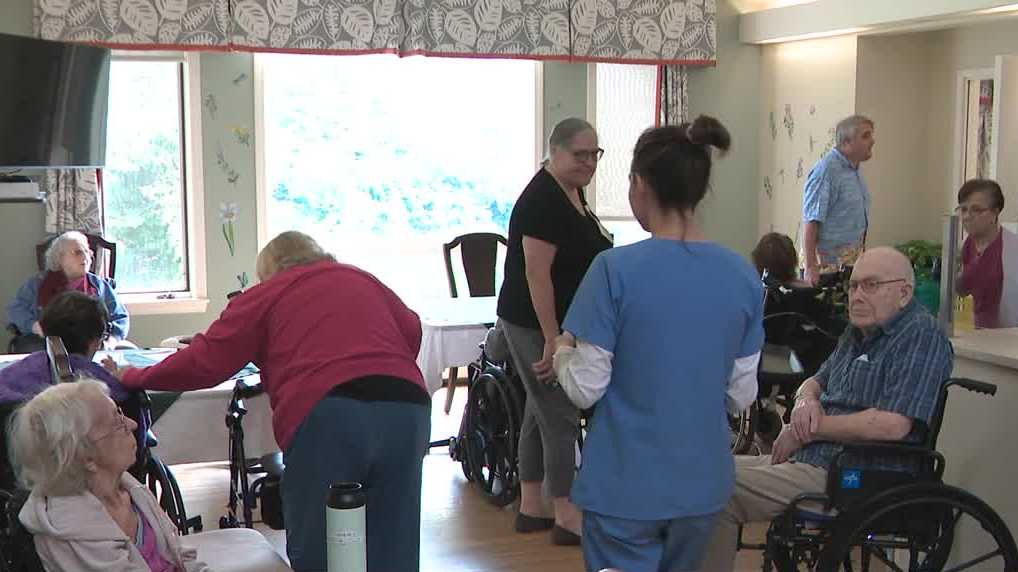
As a kid, I rarely thought about where they were heading. I simply remember seeing them walking to wherever they were going. No matter the destination, it was their habit to walk. They hiked through neighborhoods on the way to work, down city streets, to bus stops, to stores and to visit friends. Long before fitness trackers counted daily steps, they accumulated miles simply living their lives.
My father moved because he loved being active and outside. A lifelong asthmatic, he refused to let breathing difficulties define him. In my running days, he trained beside me and eventually completed the Afram 10K race when he was near retirement. Looking back, I appreciate how remarkable that was for a man of his generation. He treated movement as a gift.
My Uncle Ronald’s situation was different.
Although he always had an incredible build, he was not an athlete. His movement and natural body were built from necessity. Living in Northeast Baltimore near Morgan State University, he often traveled long distances to work, including years of commuting to Curtis Bay to work outdoors. He caught three buses, labored outside, and performed physically demanding labor in spite of the season. During baseball season, like my friends back then, Uncle Ron was a beer vendor at Memorial Stadium and rarely missed one of the 82 games on the home schedule. His movement was not recreational. It was simply what life offered him to take care of his wife and four daughters.
One man moved for pleasure. The other moved because survival demanded it.
Yet, both depended upon their bodies. And as a boy, I assumed they always would. But years later, I learned otherwise. All people break down physically, but there seems to be a special category for Black men.
My father’s physical decline began with what appeared to be a relatively ordinary sports injury. After suffering a fall in his downtown apartment gym, he fractured his ankle. Complications followed. Eventually he developed embolisms that required hospitalization.
Financial realities complicated treatment. A medical necessity became a non-treatment option. Medicare did not fully cover the medication prescribed at the time, and like many retirees, my father could not afford supplemental insurance that could have eased the burden. Soon after, my father perished in the parking garage of his apartment building less than an hour after his discharge from a hospital about two blocks away.
The details of those final months are still a painful reminder of how the signs are always there. What stays with me most is not assigning blame to any doctor, hospital or insurer. It is recognizing how quickly a single bone injury can change the course of an older person’s life.
The irony remains difficult to ignore.
My father spent much of his professional life as a biomedical photographer in the radiology department at Johns Hopkins. He documented medical discoveries, imaging techniques, and advances that expanded our understanding of the human body. For 40 years, he stood close to some of medicine’s most sophisticated efforts to diagnose and treat disease. Yet his own closing chapters were profoundly shaped by a broken bone.
My Uncle Ronald’s story should be told differently.
There was no single catastrophic event. Instead, there were decades of accumulated wear and tear. Years of backbreaking labor. Perpetually weather-beaten from weekend fishing trips during the summer, which helped support the family’s winter food stock.
Commuting on public transportation for decades. Years of asking his body to do difficult things because the bills still needed to be paid and the family still needed his support.
By the end of his life, mobility became increasingly difficult as a back surgery, followed by many different treatment plans, began showing early signs that his lower spine was crumbling. It was not one injury that slowed him down. It was the cumulative effect of a lifetime spent carrying burdens that rarely appeared on a medical chart.
As I have grown older, I have come to understand that these stories are not unusual.
For years I attended the Movement is Life conference with three men I deeply admired: Frank McClellan, Jimmy Wood and Miles Harrison. A Philadelphia healthcare lawyer, a general surgeon, and an orthopedic surgeon, respectively. The conference was the brainchild of Verona Brewton, a one-time medical equipment salesperson turned medical educator and somewhat of an activist.
What began as an effort to improve skeletal care gradually evolved into broader conversations about mobility, health outcomes and disparities affecting communities of color.
What made these men particularly compelling was that they were not merely experts.
They were witnesses.
Frank McClellan, a Temple Law School professor, built an influential career examining healthcare disparities affecting Black Americans. Jimmy Wood and Miles Harrison both became highly respected surgeons after beginning their journeys at Morgan State when it was still considered a college. It’s no irony that Frank was awarded a scholarship to play football at Rutgers in the 1960s, while a couple hundred miles away and a few years later, Miles would become the architect of the first HBCU college lacrosse program in the nation’s history. Their college and professional achievements were extraordinary, but what struck me most was their familiarity with the people they served.
They had seen these patterns long before entering operating rooms or conference halls. They watched fathers, uncles, neighbors, classmates, church members and their golf buddies grow old physically at an astounding pace. They had seen active men become less active. They had a front row seat to watch workers carry decades of wear in their knees, hips, backs and shoulders, just like my uncle. Then they chose to spend their professional lives treating the consequences of what they had witnessed for years.
As far back as 2010, the Movement is Life Summit began to change my understanding two years before my father’s passing. The annual meeting is still a national convening of doctors and other professionals dedicated to dismantling racial, ethnic and gender disparities in skeletal medicine by promoting movement and mobility.
At the Summit, I began to understand something I had never genuinely appreciated before: mobility is not simply an orthopedic issue. It is a quality-of-life issue, an issue of independence, security, and a serious public health problem in the African American community. Perhaps most importantly, it is a dignity issue. That’s what Mr. McClellan would say.
Today, I find myself increasingly aware of something that concerns me deeply. I encounter far too many Black men in their 40s and 50s relying on canes, walkers, braces and other mobility aids long before I would expect to see them.
Data shows that African Americans rely heavily on durable medical equipment (DME). However, Black Americans often have lower baseline usage of advanced therapeutic devices, experience higher rates of unmet equipment needs, while the industry has documented racial biases in the clinical efficacy of certain standard devices. So, these are not isolated cases. There are a lot of people who need DME, but there are a lot more people out there who need them and don’t have the access.
Let’s talk about patterns.
Some of these men struggle with obesity. Some carry injuries from athletics. Others come from physically demanding occupations. Many live with diabetes, hypertension, or other chronic conditions that complicate aging. Some have limited access to preventive care. Others simply spent years prioritizing work and family while neglecting themselves.
The causes are complex.
The consequences are visible and life changing.
We spend considerable time focusing on heart disease, diabetes, cancer and hypertension within Black communities. Believe it— we should. Those conversations have saved a lot of lives.
But mobility deserves a seat at the same table.
After all, mobility often determines whether a person can remain independent, attend church, visit loved ones, shop for groceries, enjoy retirement and participate fully in the communities they helped build.
Movement is more than a biological function.
It is a form of freedom.
That may be the most important lesson my father and Uncle Ronald left me.
As Father’s Day approaches, I find myself thinking about five men: my father, my Uncle Ronald, Frank McClellan, and Drs. Jimmy Wood and Miles Harrison.
They arrived at the same destination by taking vastly different roads.
One was a biomedical photographer. One was a lifetime laborer. One became a practicing lawyer and legal scholar, while the last two became local surgeons. Yet each spent a lifetime confronting the same reality: eventually, every man must negotiate a relationship with his own body and the choices he makes, despite the circumstances.
As a child, I thought their greatest lesson was perseverance.
As a young man, I believed that it was hard work and tenacity.
As a middle-aged professional, I learned it was the pursuit and achievements of worthy goals.
These days, I have come to a different conclusion.
Maybe the greatest lesson that they all shared were examples of the importance of maintaining one’s own body. All of them taught me that movement is not always promised. Independence is definitely not guaranteed. And mobility is always an uncertainty the longer you live.
Now I understand that these things must be protected long before we fear losing them.
Looking back, I now realize that all five men were trying to teach the same lesson in separate ways.
My father taught it at home, on tennis courts, baseball fields, and on every local sidewalk. Uncle Ron taught it on bus routes, job sites, and in the travels of his everyday life. Frank taught it through defending dignity and protecting scholarship. Jimmy and Miles taught it through the patients whose damaged joints and aching backs arrived in their examination rooms every day—and by extending the athletic playing days of some close friends.
Together, they taught me that movement is more than a biological function.
It is freedom in so many ways.
It is the dignity that was earned by ancestors for their descendants.
It is participation in the daily rhythms of life.
It is the ability to remain fully present in the lives of the people we love and care for each day.
“… Movement is more than a biological function. It is freedom in so many ways. … It is the ability to remain fully present in the lives of the people we love and care for each day.”
Perhaps that is the true price of an enduring father. Not simply what he always had to sacrifice to survive.
But the wisdom he leaves behind so that those who follow him may live a little better. That is the gift that keeps on giving.
I wish all the dads a happy and mobile Father’s Day!
The opinions expressed in this commentary are those of the writer and not necessarily those of the AFRO.
The post The price of an enduring father appeared first on AFRO American Newspapers.