Uganda stops ferry services on Semliki River | Suspends flights to Kinshasa | restricts border crossing with DR Congo
Uganda has undertaken these measures as part of the country's efforts to contain the outbreak of the new Ebola virus originating from DR Congo
 Black News

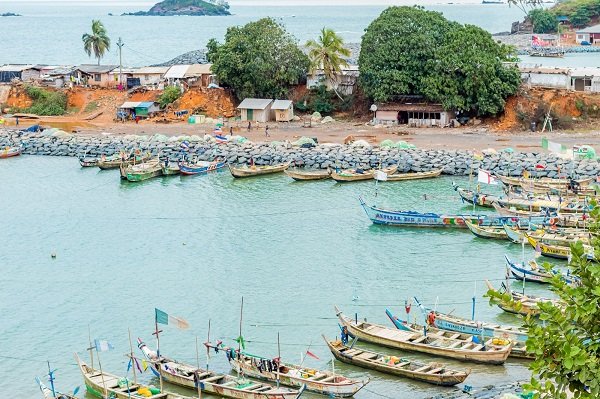
Uganda has announced temporary suspension of Public Passenger Service on Ferries across the Semliki River and grounded cross-border bus transport and all Public Transport between the country and DR Congo
The ban on transport will last for 4 weeks until around July 2026 but it won’t affect cargo transportation of food and medicinal products.
In addition, Uganda has announced temporary suspension of all flights between Entebbe and DR Congo and enhanced security patrols along the Porous territorial boundaries to minimize cross border movements.
Meanwhile the Ministry of Health in Uganda has released an update report on Ebola outbreak insisting there have been only two cases of the new Bundibugyo strain in the country.
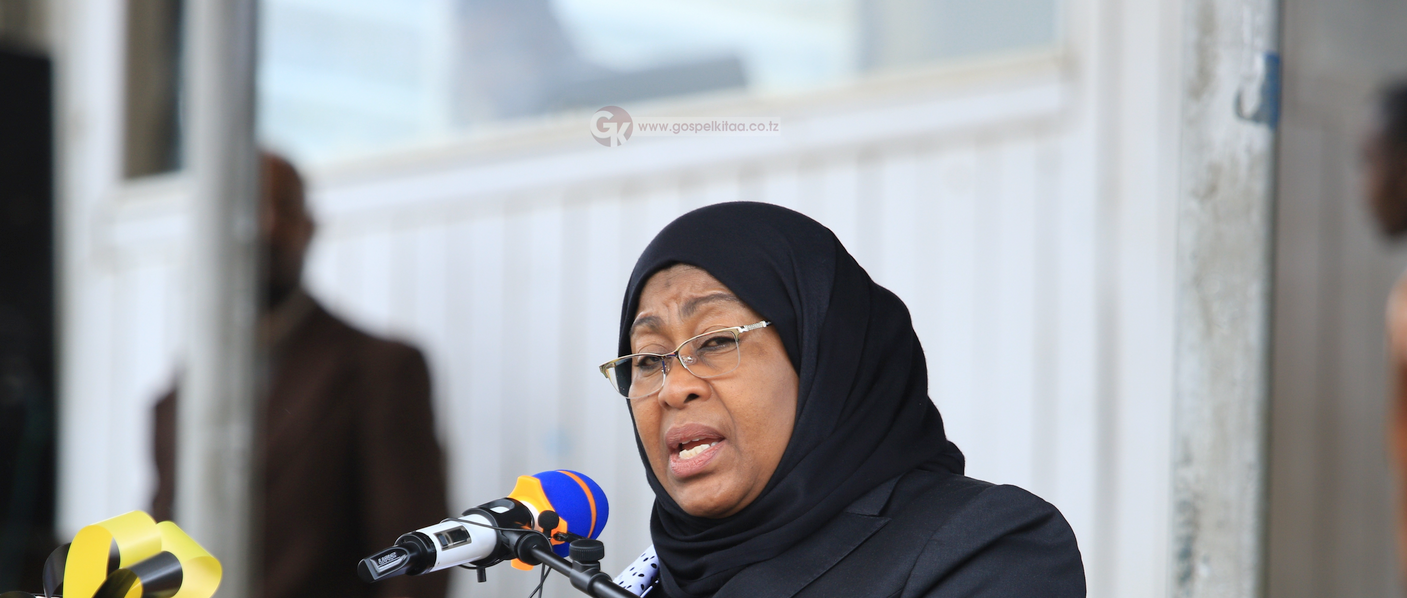
“Uganda has so far confirmed two imported cases involving Congolese nationals who arrived from the DRC and were exposed to the virus,” stated the permanent Secretary in the Ministry of Health, Dr. Diana Atwine
According to Atwine, one fatality has been recorded, and one patient remains under care.
“She is recovering steadily and is currently out of danger. The patient was tested on Monday, 18th May 2026 and the results were negative for EVD. The second repeat test was conducted on Wednesday, 20th May 2026 and was still negative,” Diana maintained.
The patient is currently being managed for her existing comorbidities.
At least 127 contacts have been identified and are in institutional quarantine.
The new Ebola Virus Disease caused by the Bundibugyo strain (BUDV), currently affecting parts of the Democratic Republic of Congo (DRC).
The Bundibugyo strain of Ebola has a case fatality rate of approximately 50 percent and currently has no approved vaccine or specific treatment.
Given Uganda’s proximity to the epicenter and strong cross-border linkages, including trade, movement for economic activity, and direct flights, with DR Congo, the risk of further importations remains high.
High-risk areas according to officials include districts along the western border, refugee-hosting areas, and Kampala Metropolitan Area.
These comprise Kasese, Ntoroko, Bundibugyo, Kabarole, Bunyangabu, Kisoro, Kikuube, Kamwenge, Kyegegwa, Hoima, Buliisa, Wakiso, Kampala, Kiryandongo, Lamwo, Isingiro, Arua, Nebbi, Pakwach, Zombo, Moyo, Koboko, Maracha, Yumbe, Obongi, Madi-Okollo, and Kanungu.
Uganda, has activated robust preparedness and response measures, including enhancing screening, testing, and treatment capacities along the DRC Borderline based on risk assessment.
The country has also suspended all Cultural Celebrations, commemorations that attract big numbers of participants along the DRC-Uganda Border.
The country is also insisting on death Reporting in all districts with more emphasis on the high-risk districts along the Uganda DRC border and the Kampala Metropolitan Area.
Other measures taken are as follow…
· Suspension of all weekly markets in the Border Sub-counties of the high-risk districts for the next 4 weeks.
· Enforce Standard Operating Procedures (SOPs) in Non-Weekly markets in all Border districts along DRC including schools, Prisons, Hotels and places of worship.
· Facilitate only essential movement of population across Borders for people originating from the DRC limiting it to gazetted and designated crossing points.
· Schools to open on time and advised on strict observation of SOPS issued by the MoH and enforced by the School Administration. Additional guidance will be provided in due course. Schools to be supported by the health facilities closest to them.
The Ministry further emphasizes that ultimate control of the outbreak depends on interrupting transmission in the DRC and affirms Uganda’s commitment to supporting regional efforts, including strengthening diagnostic capacity, treatment infrastructure, and technical cooperation.