U.S. finally steps in to ease Morocco-Algeria rift over Western Sahara as Russia’s influence wanes in North Africa
The United States has renewed pressure on Algeria to take a direct role in resolving the decades-long Western Sahara dispute, as Morocco and Algeria escalate militarily and align with competing global powers.
 Black News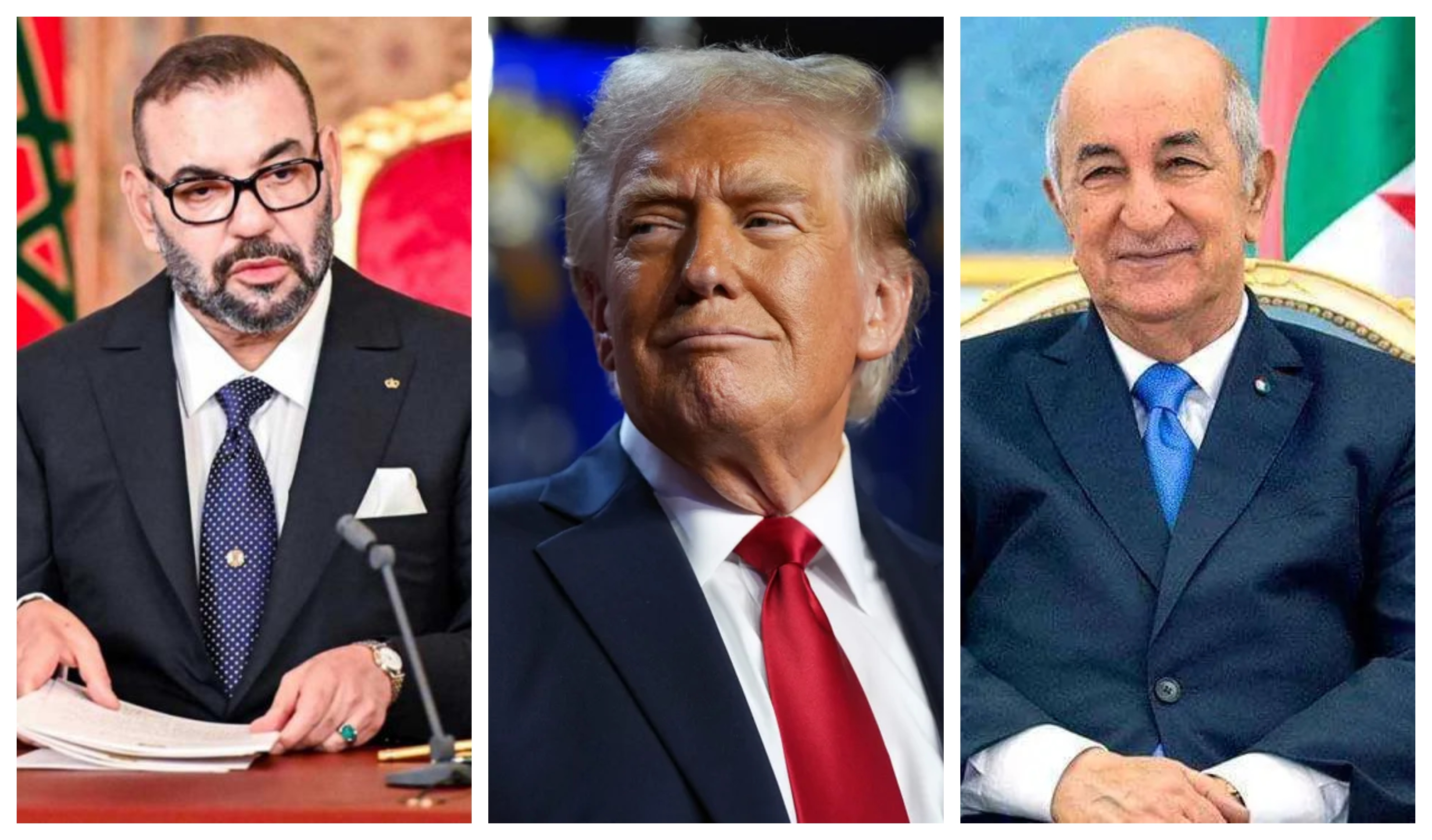

The United States has renewed pressure on Algeria to take a direct role in resolving the decades-long Western Sahara dispute, as Morocco and Algeria escalate militarily and align with competing global powers.
- The US is urging Algeria to take a more active role in resolving the Western Sahara conflict as tensions rise between Morocco and Algeria.
- Algeria is gradually shifting its position on the dispute after losing some international support, including from Russia.
- Algerian President Tebboune referenced UN Resolution 2797 and Morocco’s autonomy plan without direct criticism, hinting at a more flexible Algerian stance.
- Recent attacks attributed to the Polisario Front and stronger international backing for Morocco's autonomy plan have heightened tensions.
US Presidential Advisor for Arab and African Affairs, Massad Boulos, met with Algerian Ambassador to Washington Sabri Boukadoum, urging a more active role in the UN-backed peace process.
In a statement posted on X, Boulos praised Algeria’s “constructive engagement” and said it was “time to reach a resolution,” citing UN Security Council Resolution 2797, which endorses Morocco’s autonomy plan as the most viable path forward.
Algeria appears to be gradually shifting its stance after losing some support from key allies, particularly Russia.
A decades-long conflict
Western Sahara remains politically divided, with Morocco controlling most of the territory while Algeria supports the Polisario Front, which manages camps in Tindouf and advocates for Sahrawi independence.
Notably, the self-declared Sahrawi Arab Democratic Republic (SADR) is recognised by around 46 UN member states and is a member of the African Union, even as only the United States and Israel formally recognise Morocco’s sovereignty.
The territory also hosts extensive phosphate deposits, particularly at the Bou Craa mine, a key resource for fertiliser production.
Since 2007, Morocco has proposed limited autonomy under its sovereignty as an alternative to full independence demanded by the SADR and supported by Algeria and other African states, partly due to international pressure.
In 2020, US President Donald Trump recognised Morocco’s claim over Western Sahara in exchange for Rabat joining the Abraham Accords, normalising relations with Israel.
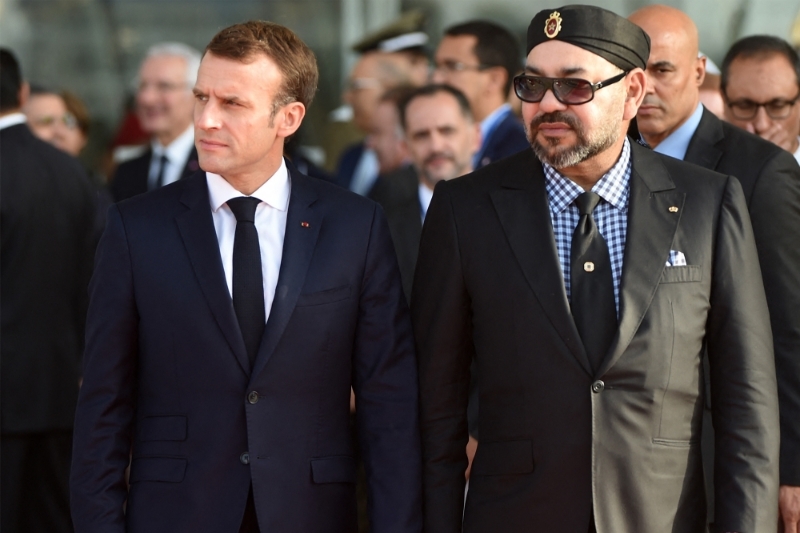
Spain followed by backing Morocco’s position in 2022, and France recently reinforced it, with President Emmanuel Macron calling the autonomy plan the “only basis” for a settlement.
Algeria responded by recalling its ambassador from Paris and refusing to accept Algerian citizens deported from France.
Relations between Morocco and Algeria have long been tense: Algeria severed diplomatic ties in 2021, and in 2023, President Abdelmadjid Tebboune described the relationship as having reached “the point of no return.”
The situation has grown more complex as Russia, traditionally an ally of Algeria, signalled conditional support for Morocco’s autonomy plan.
In a 2025 briefing, Russian Foreign Minister Sergey Lavrov said Moscow could back the plan if all UN Security Council members agreed, adding, “If it is acceptable to everyone, it is acceptable to us as well.”
Escalation and international response
Tensions rose further after a rocket attack on Morocco’s southern city of Es‑Smara on May 5, 2026, claimed by the Polisario Front.
Moroccan authorities said the strike, which landed near a civilian area and a prison, injured one civilian, drawing sharp condemnation from the United Nations, the European Union and Western powers, including the United States.
UN Personal Envoy for Western Sahara Staffan de Mistura has called for renewed negotiations and cautioned that continued conflict risks undermining efforts to resolve the long‑running dispute.
Algerian President Abdelmadjid Tebboune said UN Security Council Resolution 2797 “is making its way,” noting it calls for a negotiated solution and references Morocco’s autonomy plan.
He did not directly criticise Morocco’s proposal, signalling a subtle shift in Algeria’s stance.